What Are Renewable Resources and How Do They Work?

Renewable Resources are sources of energy and materials that nature replenishes over time. Sunlight reaches a rooftop panel, wind turns a turbine, and flowing water drives a generator. Geothermal systems draw on heat beneath the ground. These processes differ, but each can provide useful energy without depending on a finite fuel supply. The details matter.

This guide explains how renewable resources work, where their energy comes from, and what happens between generation and everyday use. A solar panel produces electricity when light reaches its cells; a wind turbine converts moving air into electrical power. Homes may use that power directly, store some in batteries, or draw from a connected grid. Biomass and hydropower have different requirements, including careful management of land and water.

Renewable does not mean impact-free. Solar panels require materials and manufacturing, while poorly planned dams can disrupt river habitats. Wind and solar output also changes with weather and time of day. Storage, reliable grid connections, and local conditions shape how much energy these systems can provide. The sun sets. Planning continues.

Understanding these trade-offs helps readers assess claims about cost, reliability, and environmental benefits. Exact results vary by location and technology, so broad promises deserve a closer look. Some solutions work better than others. That can be inconvenient, but it is worth admitting. The following overview offers a practical foundation for understanding renewable energy—and the choices involved in using it responsibly.
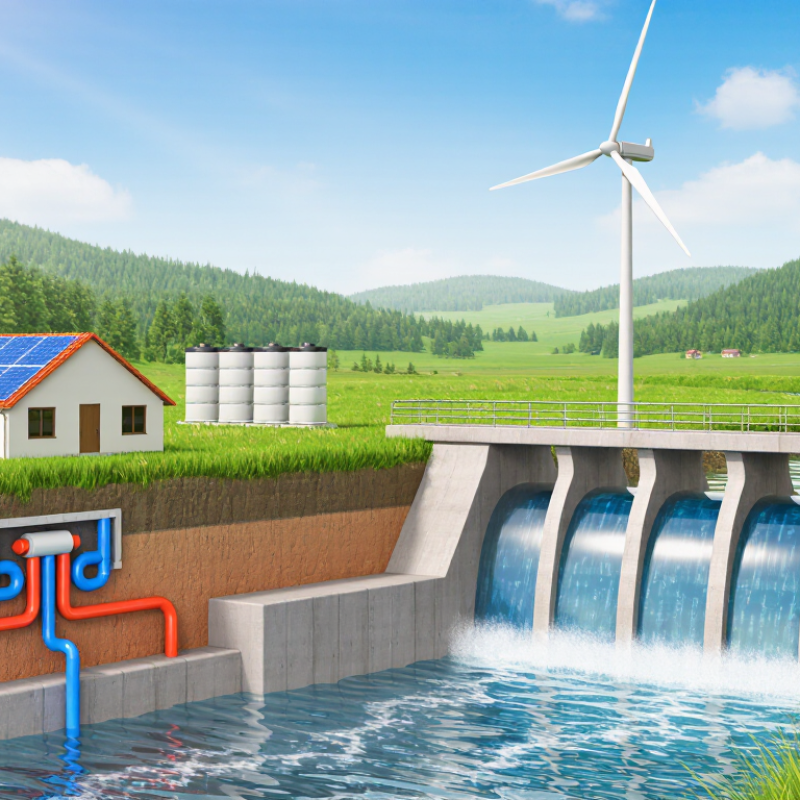
What Are Renewable Resources and How Do They Work?

What Renewable Resources Are

Renewable resources are sources that nature replenishes on a human timescale. Sunlight returns each day, winds form through atmospheric movement, and flowing water can turn turbines. Geothermal energy draws on heat beneath Earth’s surface. Biomass, such as wood or crop waste, can also be renewable when new growth replaces what is used. The key is replenishment, not simply whether a resource comes from nature.

These resources work in different ways. Solar panels convert light into electricity, while wind turbines use moving air to spin generators. Hydropower captures energy from moving water. Renewable does not mean impact-free: dams can alter river habitats, and forests need time to regrow. The label can sound cleaner than the reality. I find that distinction easy to overlook, especially when a resource is described as endlessly available. Some are also less dependable at certain times, such as solar power after sunset.

Tips: When comparing resources, ask how quickly they replenish and what local land, water, or wildlife may be affected. A cloudy afternoon is a useful reminder: sunlight varies, so energy systems may need storage or other sources.

How Natural Processes Replenish Renewable Resources

Renewable resources are replenished by natural processes, though each follows its own clock. Sunlight reaches rooftops each morning, and solar panels turn some of that energy into electricity. Wind forms as uneven heating moves air over fields, ridges, and coastlines. Water follows a looping journey: warmth lifts it as vapor, clouds gather, and rain refills rivers and reservoirs. The cycle is visible. But rainfall varies, and a dry season can leave reservoirs low. Hydropower depends on that changing supply, not simply on water being renewable.

Plants capture sunlight and store it as biomass. When forests are carefully managed, new growth can replace harvested trees, but recovery takes years or decades.

Not overnight.

Geothermal systems use heat beneath Earth’s surface; suitable locations and careful management matter. These examples show why replenishment should not be confused with endless supply. A resource may renew naturally while local use outpaces its return. That distinction is easy to miss when a resource seems abundant. A river may look full after rain, yet its flow also supports wetlands, wildlife, and nearby communities. Natural cycles keep resources available, but timing, place, and demand shape how reliably people can use them.

How Renewable Resources Are Converted into Usable Energy

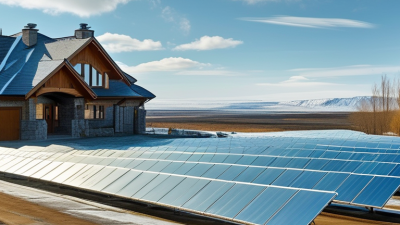
Sunlight becomes usable electricity through photovoltaic cells. When light strikes a cell, it frees electrons and creates direct current. An inverter changes that current into alternating current, which most homes and power lines use. The conversion happens quietly. A small rooftop system may feed a refrigerator, lights, and other appliances through a home’s electrical panel. Extra power can sometimes charge a battery or flow back to the grid.

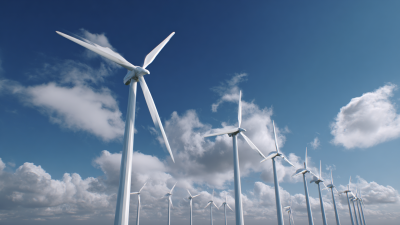
Wind and moving water use motion instead. Wind turns turbine blades, which drive a generator. In a hydroelectric plant, flowing water spins a turbine in a similar way. The generator converts mechanical motion into electricity. Geothermal systems can use underground heat to produce steam, which also turns a turbine. Each pathway has its own equipment and local limits; a dry season or still day can reduce output.

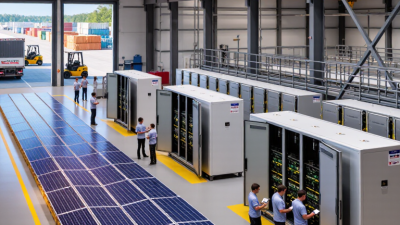
Electricity must be balanced as people use it. Batteries can store some surplus energy, while transmission lines carry power to places that need it. Storage is helpful, but it is not lossless: some energy escapes as heat during charging and use. Renewable systems also need inspection, repairs, and careful planning around weather and wildlife. The conversion sounds straightforward on paper. In practice, small details matter. A shaded panel, worn turbine part, or distant connection can change how much energy actually reaches a socket.

How Renewable Resources Are Converted into Usable Energy

Renewable resources are converted into electricity using technologies such as photovoltaic cells, wind turbines, hydro turbines, geothermal power plants, and biomass generators. The bars show representative conversion-efficiency estimates, not guaranteed performance. Results vary with the technology and operating conditions, and the resource inputs differ, so comparisons are approximate.

The Main Types of Renewable Resources

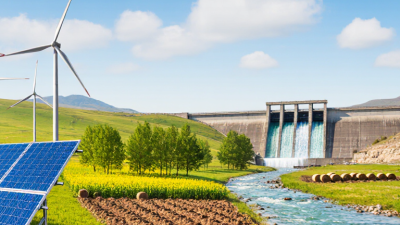
Renewable resources are replenished by natural processes, but their availability varies by place and time. Sunlight drives solar panels; wind turns turbine blades; flowing water spins hydropower generators. These systems convert natural energy into electricity. The details matter. Solar output falls after sunset, while wind farms depend on local wind conditions. Hydropower can respond quickly, but dams may alter river habitats and water flows.

Other important types include geothermal energy and bioenergy. Geothermal plants use heat beneath Earth’s surface, often drawing steam or hot water through wells. Bioenergy comes from organic materials, such as crop residues or wood waste, and can provide heat or electricity. Its climate impact depends heavily on how the feedstock is grown, collected, and replaced. The categories are useful, though real systems do not always fit neatly into them.

Scale is growing rapidly. IRENA’s Renewable Capacity Statistics 2024 reports that global renewable power capacity reached about 3,870 gigawatts in 2023. Renewables made up 86% of newly added power capacity that year. That figure measures generating capacity, not electricity produced every hour. A sunny midday and a still evening are not equivalent. Storage, transmission lines, and careful siting help connect variable supply with actual demand.

Factors That Affect Their Reliability and Availability

Renewable resources are replenished naturally, but their output is not constant. Solar panels produce less on cloudy afternoons and short winter days. Wind turbines depend on local wind patterns. Hydropower can decline during droughts, while biomass relies on steady feedstock supplies. Reliability depends on timing, location, maintenance, forecasting, and grid access—not just annual energy production. A sunny average can hide a difficult week.

The International Renewable Energy Agency’s Renewable Capacity Statistics 2024 reported 473 gigawatts of renewable capacity added worldwide in 2023, representing 86% of new power capacity. That growth shows expanding supply, but installed capacity does not guarantee electricity at every hour. Transmission bottlenecks can limit delivery, and storage helps shift surplus power to later periods, though it adds cost and requires careful planning. Seasonal patterns matter, too. A system designed around one year’s weather may be surprised by the next.

Tips: Compare hourly and seasonal output, not only annual averages. Check local grid constraints and maintenance plans. Ask how long storage can supply power during calm or cloudy periods. Forecasts help, but they are not promises.

What Are Renewable Resources and How Do They Work? — Factors That Affect Their Reliability and Availability

Renewable resource How it produces energy Indicative capacity factor Variability and dispatchability Factors affecting availability and reliability
Solar photovoltaic (PV) Solar cells convert sunlight directly into electricity. About 10–25%, depending on location and system design. Output changes with daylight, cloud cover, and season; generation stops at night. Storage can shift some energy to later hours. Sunlight, shading, panel orientation, dust or snow, temperature, equipment condition, and access to storage or grid connections.
Onshore wind Wind turns turbine blades, which drive a generator. About 25–45%, depending on the wind regime and turbine. Output varies with wind speed. Turbines operate within a suitable wind-speed range and may shut down in very high winds. Local wind patterns, terrain, turbine spacing, maintenance, icing, extreme weather, permitting, and transmission capacity.
Offshore wind Offshore turbines convert wind over the sea into electricity. About 35–55% at many sites; actual results vary by location and project. Wind output varies, although some offshore locations have steadier or stronger winds than nearby land areas. Wind conditions, storms, corrosion, maintenance access, seabed and cable conditions, port access, and grid connections.
Hydropower Flowing or released water spins turbines; reservoirs can store water for later generation. Often about 30–60%, but highly dependent on plant type and water conditions. Reservoir plants can often adjust output when needed; run-of-river plants are more dependent on current flows. Rainfall, snowmelt, drought, reservoir levels, environmental flow rules, sediment, equipment, and competing water uses.
Geothermal Heat from underground water or rocks produces steam or hot fluid to drive a turbine or other power system. About 70–95% for many operating power plants. Can provide steady generation, subject to plant operations and the performance of the geothermal resource. Suitable underground heat and fluid, well productivity, reservoir management, maintenance, and the cost and difficulty of drilling.
Bioenergy Organic materials are converted to heat, electricity, or fuel through combustion or other processes. Often about 60–85% for power plants with dependable fuel supplies. Plants can often schedule generation, but output depends on fuel stocks and plant operation. Sustainable feedstock supply, storage, transport, seasonal availability, conversion efficiency, maintenance, and air-quality requirements.

Note: Capacity factor is the electricity generated over a period compared with the amount that would have been generated at continuous full output. The ranges above are indicative, not guarantees; actual values vary by site, technology, operating conditions, and measurement period.