Top 10 Benefits of Geothermal Heating Systems For Your Home?
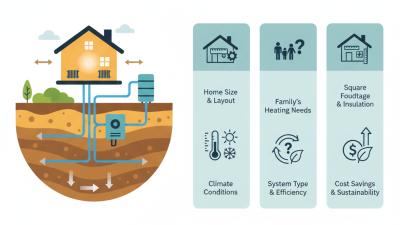
Geothermal heating is transforming how we think about home energy. This innovative system taps into the Earth's natural heat, providing a sustainable energy source. Many homeowners are now considering this technology for its efficiency and environmental benefits.
Using geothermal heating can significantly reduce energy costs. It relies on stable temperatures below the Earth’s surface, ensuring reliable warmth in winter. However, installation can be complex and requires professional expertise. Homeowners must evaluate their property suitability for such a system before investing.
The long-term advantages extend beyond savings. Geothermal heating promotes a greener planet by lowering greenhouse gas emissions. Despite its initial costs, the investment pays off over time. Understanding these aspects can empower homeowners to make informed decisions regarding energy-efficient living.
Benefits of Geothermal Heating Systems: Energy Efficiency Explained
Geothermal heating systems offer remarkable energy efficiency. These systems harness the Earth’s stable underground temperature, meaning they use less energy compared to conventional heating options. Lower energy consumption translates to reduced utility bills. A geothermal system can save homeowners up to 70% on heating costs. Imagine a winter where your energy bills are significantly lower.
Energy efficiency also comes from using a sustainable resource. The Earth’s heat is renewable, making these systems environmentally friendly. Unlike fossil fuels, geothermal energy produces fewer emissions, contributing to a healthier planet. However, installation costs can be high, and not every home site is suitable. Assessing your location is key. Some homeowners may find the upfront investment daunting—it requires a thoughtful approach.
Despite these challenges, the benefits of geothermal heating are substantial. Long-term savings and reduced environmental impact motivate many to consider this option. It’s essential to weigh the pros and cons. While geothermal heating may not be the perfect fit for everyone, it certainly deserves consideration. Carefully evaluate your home’s needs and the potential for energy efficiency gains.
Cost Savings Over Time: Measuring the Economic Impact of Geothermal Systems
Geothermal heating systems are gaining traction for their cost-saving benefits. According to the U.S. Department of Energy, homeowners can save 30% to 60% on heating and cooling bills. These systems use the earth's stable temperature to provide efficient heating. They reduce reliance on fossil fuels, which can lead to significant savings over time.
Installed costs might seem high initially, often ranging from $10,000 to $30,000. However, most homeowners recoup this investment in about five to ten years. The Environmental Protection Agency states that geothermal systems have an impressive lifespan of 25 years or more for indoor components. When properly installed, these systems can lower your utility expenses significantly.
Additionally, homeowners in regions with extreme temperatures can benefit even more. The efficiency of geothermal heating in colder climates helps mitigate heating costs effectively. Some reports suggest that geothermal systems can improve a home’s resale value by 5% to 10%. It's clear that the long-term economic impact is favorable. However, one must consider site-specific factors and installation requirements before making a decision.
Environmental Advantages: Reducing Carbon Footprint with Geothermal Energy
Geothermal heating systems present significant environmental benefits. One of the main advantages is the reduction of carbon emissions. Unlike traditional heating methods that rely on fossil fuels, geothermal energy utilizes the Earth's natural heat. This reduces the overall carbon footprint of a household, showcasing a commitment to greener living.
Moreover, geothermal systems have a minimal impact on land and ecosystems. They require less land space compared to solar farms or wind turbines. When installed correctly, they help maintain local biodiversity. However, some environmental concerns remain. The installation process can disrupt local soil and plant life. It's important to choose installation methods that minimize this impact.
Using geothermal energy also promotes sustainability. Homeowners can rely on a renewable energy source that is stable and efficient. Yet, there’s room for improvement in public awareness. Many still overlook geothermal options due to misconceptions about costs or reliability. Spreading knowledge on how geothermal systems function could greatly benefit homeowners seeking eco-friendly solutions.
Long-term Performance and Reliability of Geothermal Heating Solutions
Geothermal heating systems excel in long-term performance and reliability. These systems utilize the earth’s natural warmth, significantly reducing energy costs. According to the U.S. Department of Energy, geothermal heat pumps can save homeowners up to 70% on heating costs compared to traditional systems. This impressive efficiency stems from the system's ability to transfer heat rather than generate it.
Furthermore, geothermal systems tend to have a longer lifespan. Industry studies indicate that underground components can last over 50 years, while indoor units may last 20 years or more. This durability reduces the frequency of replacements and repairs, enhancing overall reliability. However, installation is more complex than conventional systems, which can pose challenges. Homeowners must address site-specific factors, such as soil conditions and land availability.
Not every home is a perfect match for geothermal solutions. Retrofitting an existing home may require significant investment. While the benefits are notable, the decision should be made carefully, taking into account both short-term needs and long-term goals. Maintenance, though minimal, is still essential to ensure optimal performance over time. Understanding these aspects ensures that homeowners can make informed decisions about their heating options.
Top 10 Benefits of Geothermal Heating Systems For Your Home
| Benefit | Description | Long-term Savings | Environmental Impact |
|---|---|---|---|
| Energy Efficiency | Geothermal systems can be up to 400% efficient, reducing energy costs. | High savings on energy bills over the lifetime of the system. | Reduces reliance on fossil fuels, lowering carbon footprint. |
| Durability | Geothermal systems have a long lifespan, often lasting over 25 years. | Lower replacement costs due to longer equipment life. | Promotes sustainable living practices. |
| Low Maintenance | Minimal maintenance is required compared to conventional systems. | Reduced costs associated with repairs and service calls. | Less waste produced from discarded units and parts. |
| Consistent Performance | Provides reliable heating and cooling throughout the year. | Consistent energy consumption leads to predictable bills. | Stable energy source that minimizes environmental fluctuations. |
| Tax Incentives | Homeowners may qualify for government rebates or tax deductions. | Significant short-term financial relief during installation. | Encourages adoption of clean energy solutions. |
| Noise Reduction | Operates quietly compared to traditional heating systems. | Enhances comfort without noise distractions. | Less noise pollution, promoting a peaceful environment. |
| Increased Property Value | Energy-efficient homes tend to have higher resale values. | Investment that appreciates with time. | Sustainable building practices attract eco-conscious buyers. |
| Flexible Usage | Can be used for both heating and cooling functions. | Reduces the need for multiple systems, saving costs. | Efficient use of resources throughout the year. |
| Local Energy Source | Utilizes the earth’s natural heat, reducing dependency on external energy sources. | Stability in energy costs due to reliance on local resources. | Promotes energy independence and sustainability. |
| Improved Air Quality | Filters and circulates indoor air, enhancing overall home air quality. | Fewer allergens and pollutants leading to lower healthcare costs. | Supports a healthier living environment. |
Government Incentives and Rebates for Geothermal Heating Installations
Government incentives and rebates are significant factors to consider when installing geothermal heating systems. These financial programs make geothermal technology more accessible for homeowners. Many states and local governments offer incentives to encourage the use of renewable energy sources. The specifics can vary greatly, so research local programs carefully. Some areas provide tax credits, while others might offer direct rebates on installation costs.
When exploring these incentives, check eligibility criteria thoroughly. Tips include consulting local energy agencies or utility providers for guidance. Working with a licensed geothermal contractor can also help ensure that you're optimizing your potential savings. They often have insights into the latest government offers available to you.
It's essential to stay updated on changing regulations. Incentive programs may change or expire over time. While the initial investment may seem daunting, the long-term savings on energy bills with a geothermal system can outweigh upfront costs, especially when bolstered by available rebates. Though transitioning to geothermal seems complex, breaking down the process into manageable steps can lead to both environmental and financial gain.
Related Posts
-
How to Choose the Best Geothermal Heating System for Your Home
-
Ultimate Guide to Your Best Home Solar Power System Checklist for Effortless Transition
-
How to Choose the Best Hybrid Solar Inverter for Your Needs?
-
Top 10 Renewable Energy Sources You Should Know About?
-

Challenges Faced by Global Buyers Seeking the Best Green Energy Solutions
-
Advantages of Using Best Residential Wind Turbines for Sustainable Living