How to Choose the Best Hybrid Solar Inverter for Your Needs?
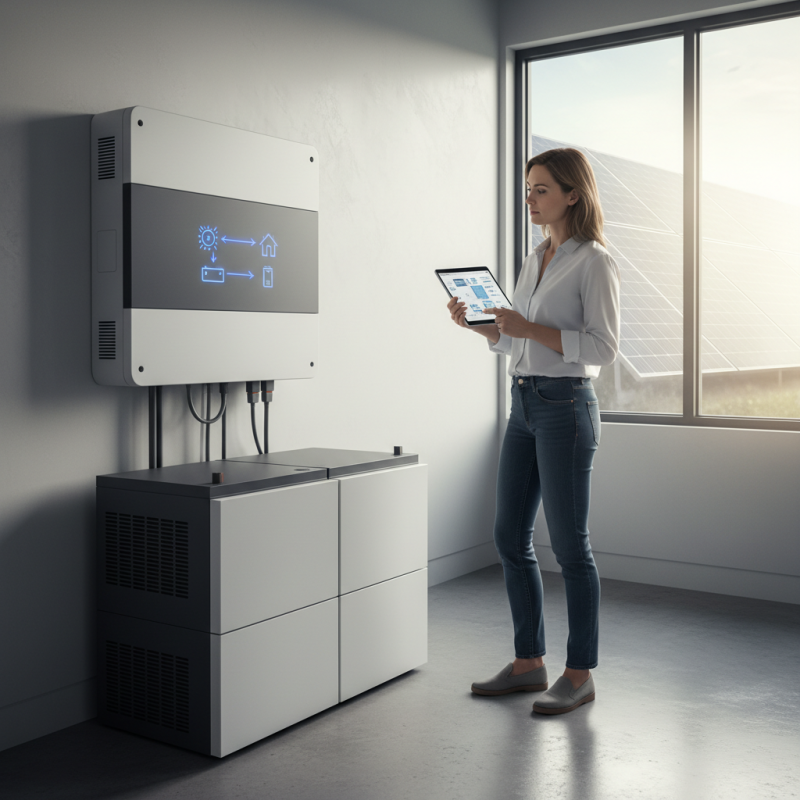
Choosing the right Hybrid Solar Inverter can significantly impact your energy efficiency and savings. These devices convert solar energy into usable power while managing energy storage. When selecting a hybrid inverter, consider your specific energy needs and usage patterns.
You might find yourself overwhelmed by options. Each hybrid solar inverter comes with unique features, capacities, and functionalities. Some inverters are better suited for large homes, while others cater to smaller setups. Researching reputable brands is essential to ensure reliability and durability.
Compatibility with your existing solar system matters. Not all components work seamlessly together. Assessing your requirements will lead to a more informed decision. Being aware of your choices will help avoid costly mistakes. A hybrid solar inverter can be a valuable addition, but only if it meets your objectives and lifestyle.
Understanding the Basics of Hybrid Solar Inverters
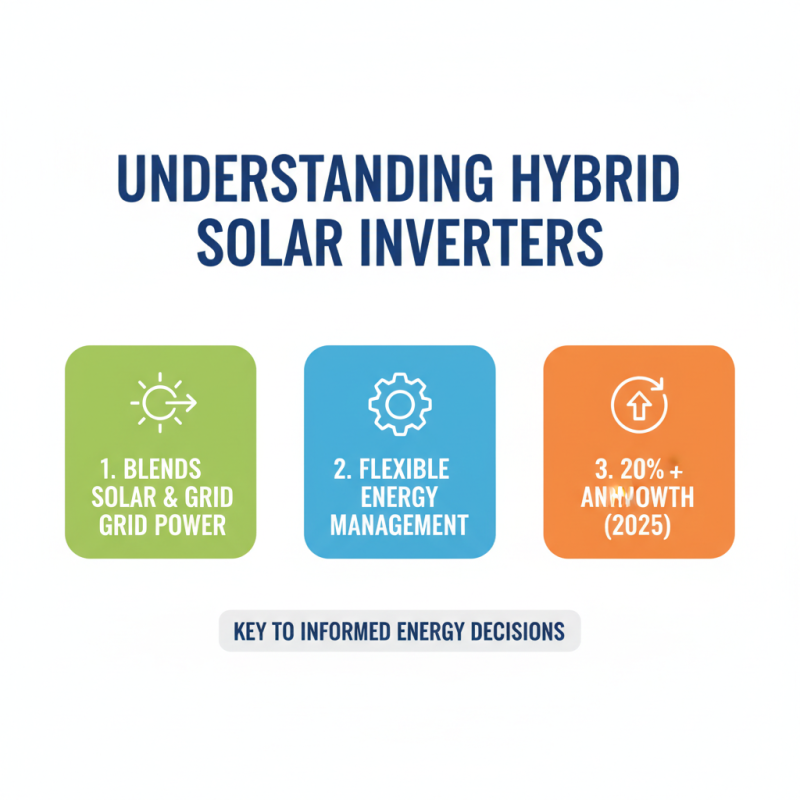
Hybrid solar inverters blend solar energy with grid-based power. They provide flexibility for energy management. Understanding their functions is crucial for making informed decisions. Reports indicate that hybrid inverter installations are expected to grow by over 20% annually through 2025, highlighting their increasing popularity.
These devices can store excess energy generated from solar panels in batteries. This stored energy can be used during peak hours or when sunlight is insufficient. According to a study, these systems can save homeowners up to 30% on energy costs annually. However, performance can vary based on installation quality and regional factors. Not all systems perform equally in different climates or with varying loads.
Evaluating the right hybrid inverter requires understanding key specifications. Look for efficiency ratings and battery compatibility. Some systems may have high initial costs but can offer significant long-term savings. Potential buyers should reflect on their specific energy needs over time. Balancing cost against features is essential for optimal investment.
Key Features to Consider When Choosing a Hybrid Solar Inverter
When selecting a hybrid solar inverter, understanding the key features is essential. A good inverter should have a high efficiency rating. Look for models that boast at least 90% efficiency. This ensures that most of the solar energy converts into usable electricity. Moreover, an inverter with a longer warranty period indicates reliability and manufacturer confidence in their product.
Another crucial aspect is the inverter's grid compatibility. Some inverters work best with specific grid types. Assessing your local grid conditions is vital. Additionally, check for features such as battery management systems. Effective battery management can prolong battery life and improve overall system performance.
Consider also the monitoring capabilities of the inverter. Real-time monitoring helps track energy production and usage patterns. This data can guide future energy decisions. While these features enhance performance, it’s important to recognize that they may come at a higher initial cost. Balancing budget and needs requires careful thought and planning.
Evaluating Your Energy Needs for Optimal Inverter Selection
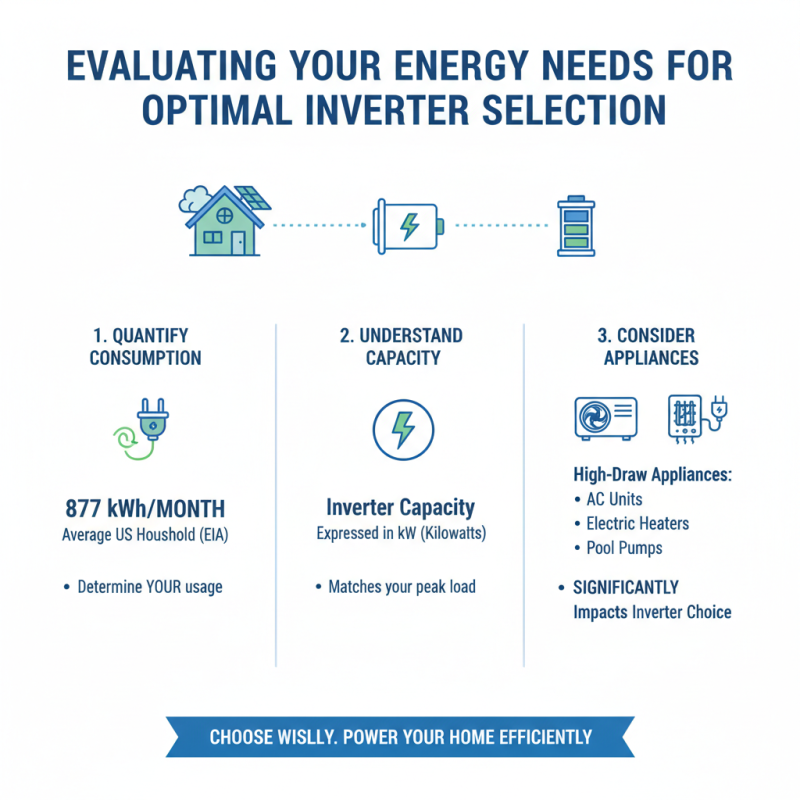
When evaluating your energy needs for selecting a hybrid solar inverter, it’s crucial to quantify your power consumption. According to the U.S. Energy Information Administration, the average American household consumes about 877 kWh per month. Understanding your specific energy use helps in determining the inverter capacity required. This capacity is expressed in kilowatts (kW). For instance, if your home operates large appliances like air conditioners or electric heaters, this will significantly influence your choice.
Consider future needs as well. If you plan to expand your energy usage by adding electric vehicles or increasing home appliances, anticipate this growth. A study by the National Renewable Energy Laboratory suggests that homes with energy storage systems can significantly optimize their energy efficiency. This flexibility may allow for savings during peak hours and enhance the reliability of your power supply.
Finally, assess the inverter's efficiency rating. Generally, a high-quality inverter should have an efficiency rating above 95%. This influences overall system performance and, ultimately, your energy bill. Keep in mind that poor quality inverters may lead to losses or require frequent replacements, adding to long-term costs. Thoughtfully analyzing these aspects can guide you in making a well-informed decision tailored to your energy needs.
Comparing Different Hybrid Solar Inverter Brands and Models
When selecting a hybrid solar inverter, it's essential to examine various brands and models. Each has unique features that may suit different energy needs. For instance, some models focus on high efficiency while others offer superior battery management. Users should consider their energy consumption patterns and future growth plans when making a choice.
Comparing hybrid solar inverters often reveals trade-offs. While a high-efficiency model may seem appealing, it might come with a higher price tag. Cheaper models can lack critical features. It's important to strike a balance between cost and functionality. Reading user reviews can provide insight into real-world performance. However, remember that individual experiences can vary significantly.
Pay attention to warranty offerings. A longer warranty often indicates manufacturer confidence in their product's reliability. Each brand's customer support is vital. You might face challenges when setting up or troubleshooting. Effective support can save time and frustration. Evaluate the long-term benefits over initial savings. It’s a critical decision that deserves thoughtful consideration.
Comparison of Hybrid Solar Inverter Efficiency by Power Output
Installation and Maintenance Considerations for Hybrid Solar Inverters
When considering the installation of a hybrid solar inverter, meticulous planning and attention to detail are paramount. Incorrect installation can lead to inefficiencies and increased long-term costs. A study by the National Renewable Energy Laboratory indicates that up to 30% of inverter issues stem from improper installation practices. This emphasizes the importance of hiring certified professionals who understand local electrical codes and safety protocols.
Regular maintenance is essential for optimal performance. Hybrid solar inverters require periodic checks to ensure all components operate effectively. This includes inspecting electrical connections and monitoring the software for updates. Data from the Solar Energy Industries Association suggests that systems that undergo regular maintenance can extend their life span by up to 25%. Neglecting maintenance may result in unexpected repairs and lowered energy production.
Tips: Always document the installation process and maintenance activities. This record helps in identifying recurring issues. Consider using performance monitoring tools. They provide real-time data on system efficiency and early warnings of potential problems. Make sure to clean the inverter and surrounding areas frequently to avoid dust accumulation.