What Are the Top Types of Renewable Resources?
Renewable Resources are natural energy sources that replenish through ongoing environmental processes. Sunlight, moving air, flowing water, organic matter, and underground heat belong to this broad category. Unlike finite fuels, these resources can support energy production over many generations. However, “renewable” does not mean unlimited or impact-free. Solar panels require minerals, while dams can alter rivers and wildlife habitats.
This guide explores the top types of renewable energy and explains how each one works. Solar power captures sunlight through photovoltaic panels or thermal systems. Wind turbines convert moving air into electricity, especially across open plains and coastal areas. Hydropower uses flowing water, often through carefully managed dams. Biomass transforms plant material and organic waste into heat, fuels, or electricity. Geothermal systems draw on heat beneath the Earth’s surface.
Each resource has practical strengths and visible limitations. Solar output falls on cloudy days and stops at night. Wind generation changes with weather patterns. Hydropower depends on rainfall and responsible river planning. Biomass may create pressure on land and forests if poorly managed. Geothermal projects can provide steady power, but suitable sites are limited. Evidence from organizations such as the International Energy Agency and the Intergovernmental Panel on Climate Change helps compare these technologies fairly. Still, no single source fits every community. Local climate, grid access, costs, storage options, and ecological conditions all matter. This overview aims to be useful, but some conclusions remain open to debate. Energy systems keep changing.
Solar Energy: IRENA Recorded 1,419 GW of Global Capacity in 2023
What Are the Top Types of Renewable Resources?
Solar energy has become one of the most visible renewable resources worldwide. According to the International Renewable Energy Agency, global solar capacity reached 1,419 gigawatts in 2023. This figure measures installed power systems, not the electricity produced every hour. That distinction matters when judging real energy performance.
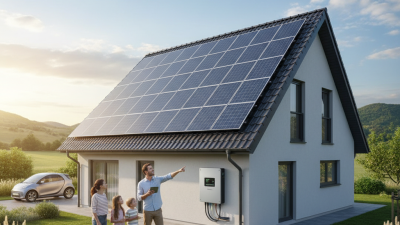
Solar panels now appear on apartment roofs, factory buildings, school grounds, and unused land. They convert sunlight into electricity without burning fuel during operation. Battery storage can keep power available after sunset, although batteries add cost, weight, and material demands. In practical projects, shading, dust, roof direction, and local weather can change the expected output.
Solar energy is powerful, but it is not effortless.
Wind, hydropower, geothermal heat, and bioenergy also support the renewable energy mix. Solar growth can reduce dependence on fossil fuels, yet rapid construction may pressure land, transmission networks, and recycling systems. A larger capacity number does not automatically mean a fairer or more reliable energy supply. Project planners must examine the full life cycle, including manufacturing, maintenance, land use, and end-of-life recovery.
The 1,419 GW milestone shows remarkable expansion, but it should invite careful questions. Who receives the electricity? Can the grid manage midday surges? Are forecasts tested against actual performance? These details often decide whether a solar project works well beyond its launch date.
Global Solar Energy Capacity, 2019–2023
Global solar power capacity increased from 586 GW in 2019 to 1,419 GW in 2023, reflecting rapid growth in renewable electricity deployment. Values represent total installed capacity at the end of each year.
Wind Energy: IRENA Recorded 1,017 GW of Global Capacity in 2023
What Are the Top Types of Renewable Resources?
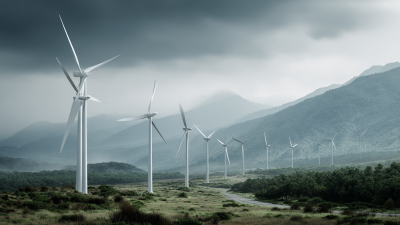
Wind energy became one of the strongest renewable resources in 2023. According to the International Renewable Energy Agency’s Renewable Capacity Statistics 2024, global wind capacity reached 1,017 GW. New installations added about 117 GW during the year. Turbines now appear across open plains, coastal waters, and agricultural regions. Their rotating blades convert moving air into electricity without burning fuel.
The figures need careful reading. Capacity measures potential output, not electricity delivered every hour. Wind conditions change, and transmission lines may not reach busy cities. Grid flexibility, storage, and accurate forecasting remain essential. The agency’s Renewable Power Generation Costs in 2023 reported a global weighted average electricity cost of about 3.3 US cents per kilowatt-hour for onshore wind. Offshore projects generally cost more because foundations and marine maintenance are difficult.
Tips:
Compare capacity with actual generation data. Check the project’s location, wind quality, grid connection, and environmental assessment. A large turbine is not automatically a better investment. Local communities also need clear information about noise, land use, and wildlife impacts. Some industry forecasts appear confident, but delays and rising financing costs can change results. That uncertainty deserves attention.
Hydropower: IRENA Recorded 1,268 GW of Global Capacity in 2023
What Are the Top Types of Renewable Resources?
Hydropower: IRENA Recorded 1,268 GW of Global Capacity in 2023
Hydropower remained one of the largest renewable resources in 2023. The International Renewable Energy Agency recorded 1,268 gigawatts of global capacity. This figure represents installed generating potential, not constant electricity production. Rainfall, river levels, maintenance, and grid demand can change actual output.
Water turns turbines inside power stations. In a reservoir project, a wall stores water behind concrete structures. Operators release it through tunnels when electricity demand rises. Run-of-river facilities work differently, using natural flow with less storage. Pumped storage can move water uphill, then release it later like a giant battery.
The scale is substantial.
Hydropower can provide steady electricity and help balance wind and solar generation. It also has a long operating life when equipment receives careful maintenance. However, construction can alter river habitats, sediment movement, and nearby communities. Dry seasons may reduce production more than expected. A large capacity number can therefore hide local weaknesses.
Reliable planning needs more than national statistics. Engineers should examine rainfall records, river ecology, dam safety, and changing climate patterns. They should also compare electricity benefits with social and environmental costs. Hydropower is not automatically harmless because its fuel is water. That assumption deserves review.
What Are the Top Types of Renewable Resources? — Hydropower: IRENA Recorded 1,268 GW of Global Capacity in 2023
Source: International Renewable Energy Agency (IRENA), Renewable Capacity Statistics 2024. The 2023 global hydropower figure includes hydropower capacity reported for the year and is presented in gigawatts (GW).
| Hydropower Type |
How It Works |
Water Storage Capability |
Primary Grid Function |
Key Characteristics |
| Global hydropower total |
Electricity is generated by converting the energy of flowing or stored water into mechanical and electrical energy. |
Varies by project design |
Large-scale renewable electricity generation and grid balancing |
1,268 GW in 2023; hydropower remained one of the world’s largest sources of renewable power capacity. |
| Reservoir hydropower |
Water is stored behind a dam and released through turbines when electricity is needed. |
High |
Dispatchable generation, peak demand support and seasonal balancing |
Can adjust output more readily than many weather-dependent renewable technologies, subject to water availability and environmental requirements. |
| Run-of-river hydropower |
Electricity is generated from the natural flow and elevation change of a river, usually with limited storage. |
Low to limited |
Continuous or variable renewable generation |
Output is closely linked to river flow, precipitation, snowmelt and seasonal hydrological conditions. |
| Pumped-storage hydropower |
Water is pumped to an upper reservoir during periods of low demand and released through turbines during periods of high demand. |
High, through rechargeable storage cycles |
Energy storage, frequency regulation and peak-load management |
It stores electricity rather than creating a new primary energy source; round-trip efficiency is below 100% because some energy is lost during pumping and generation. |
| Small hydropower |
Uses relatively small rivers, streams or engineered water channels to drive turbines. |
Usually low to moderate |
Local and distributed electricity supply |
May serve remote or rural areas and can reduce the need for long transmission lines, depending on location and system design. |
| Micro and pico hydropower |
Generates electricity from small water flows and modest elevation differences. |
Usually minimal |
Off-grid or community-scale electricity supply |
Suitable for small electricity loads where reliable water flow and appropriate site conditions are available. |
Bioenergy: IRENA Recorded 149 GW of Global Capacity in 2023
What Are the Top Types of Renewable Resources?
Bioenergy: IRENA Recorded 149 GW of Global Capacity in 2023
Bioenergy converts organic material into usable heat, electricity, or fuel. Its feedstocks include agricultural residues, wood waste, biogas, and energy crops. In 2023, the International Renewable Energy Agency recorded 149 GW of global bioenergy capacity. This figure shows bioenergy remains a significant part of the renewable energy mix.
Its value is easy to see in practical settings. A farm can digest animal waste and capture biogas in a sealed tank. A food-processing facility can burn dry residues to produce process heat. Municipal systems can recover methane from organic waste and generate electricity. These projects also reduce dependence on fossil fuels when feedstock supplies remain stable.
However, capacity alone does not tell the whole story. It measures installed power, not fuel sustainability or local environmental performance. Transporting wet biomass over long distances may reduce its climate benefits. Poorly managed combustion can also worsen air quality. These limitations deserve more attention.
Reliable planning requires transparent feedstock accounting, efficient equipment, and strict emissions monitoring. Local communities should understand where materials come from and how land use may change. Bioenergy is useful, but it is not automatically clean in every situation. The 149 GW figure is important evidence, yet it should encourage careful evaluation rather than easy optimism.
Geothermal Energy: IRENA Recorded 15 GW of Global Capacity in 2023
Geothermal energy uses heat beneath the Earth’s surface to produce electricity and direct heating. Wells reach hot water or steam trapped in underground reservoirs. Turbines then convert that heat into power. The process can operate day and night, unlike weather-dependent sources.
The International Renewable Energy Agency recorded 14.9 gigawatts of global geothermal capacity in 2023, commonly rounded to 15 GW. This remains modest beside solar and wind, yet geothermal plants can provide steady output. The data came from IRENA’s Renewable Capacity Statistics 2024 report. Capacity alone, however, can mislead. A plant’s location, reservoir temperature, maintenance, and grid connection affect its real contribution. One number cannot show everything.
Geothermal development also demands careful geological assessment. Drilling may cost millions before engineers confirm a commercially useful reservoir. Some fields release naturally occurring gases, including carbon dioxide, so monitoring remains necessary. The IPCC has reported that geothermal power generally has low lifecycle emissions compared with coal and gas, but results vary by site. Enhanced geothermal systems could expand access beyond naturally hot regions. Their performance is still developing. Field experience matters. Community consultation, water management, and seismic monitoring should be treated as core engineering work, not optional additions.