10 Best Sustainable Energy Solutions for Global Buyers?
Global buyers are under pressure to reduce emissions, control energy costs, and strengthen supply security. This guide examines 10 Best Sustainable Energy Solutions for Global Buyers, with practical criteria for comparing technologies across markets. Sustainable Energy is not a single product or universal formula. It may include rooftop solar, onshore wind, geothermal systems, hydropower, battery storage, heat pumps, biogas, green hydrogen, and verified energy-efficiency projects.
Real purchasing decisions require more than attractive performance figures. A solar project in southern Spain may produce excellent yields, while the same panels deliver less value in a cloudy northern region. A battery system must match local electricity prices, grid rules, fire-safety requirements, and expected cycling patterns. Buyers should also review equipment warranties, supplier experience, maintenance capacity, land impacts, and end-of-life recycling plans. Small details matter.
Evidence should guide every shortlist. Buyers can compare lifecycle emissions, levelized energy costs, financing terms, and independently verified certifications. Standards such as ISO-based environmental management systems may support stronger supplier evaluation, but certification alone does not guarantee a successful project. Site studies and transparent contracts remain essential.
No ranking is universal. Some technologies still depend on limited minerals, uncertain infrastructure, or changing public incentives. Green hydrogen, for example, may be promising but unsuitable where renewable power and transport networks are scarce. This guide recognizes those limitations. It aims to help procurement teams ask sharper questions, avoid exaggerated claims, and choose solutions that remain reliable beyond the launch announcement. Results will vary. That is worth remembering.
Defining Sustainable Energy and Global Buyer Evaluation Criteria
Sustainable energy is more than renewable generation. For global buyers, it means reliable power, lower lifecycle emissions, fair resource use, and credible safeguards. The International Energy Agency’s World Energy Investment 2024 estimates clean-energy investment will reach about USD 2 trillion this year. That scale creates opportunity, but scrutiny must grow too. A solar module is not automatically sustainable. Manufacturing energy, mineral sourcing, land use, recycling, and grid losses also matter. Evidence matters.
Buyers should compare lifecycle carbon intensity, not promotional labels. The Intergovernmental Panel on Climate Change uses lifecycle assessment to compare energy technologies. The International Renewable Energy Agency reported that 81% of newly commissioned utility-scale renewable projects in 2023 cost less than fossil-fuel alternatives. Prices alone can mislead. Evaluate levelized cost, storage needs, capacity factor, curtailment risk, and connection timelines. Request verified emissions data, supply-chain records, labor due diligence, and end-of-life plans. Check assumptions. They often hide risk.
Global procurement also requires local testing. A project with strong annual output may fail during evening peaks or seasonal droughts. Use hourly production profiles, not annual averages. Review grid codes, permits, carbon accounting rules, currency exposure, warranty coverage, and supplier resilience. The IEA warns that grids and flexibility need faster investment for clean-energy growth. Interconnection capacity deserves equal weight. My practical concern is imperfect data: recycled-content claims and degradation rates can be difficult to verify. Buyers should document uncertainty and score resilience alongside price. A cheaper contract can become expensive when assumptions break.
10 Sustainable Energy Solutions for Global Buyers
Defining sustainable energy requires assessing lifecycle emissions, resource efficiency, scalability, reliability, land and water use, and long-term operating conditions. The chart ranks selected low-carbon electricity technologies by median lifecycle greenhouse-gas emissions.
Lower values indicate lower lifecycle greenhouse-gas emissions, measured in grams of CO₂-equivalent per kilowatt-hour. Figures are median estimates compiled by the Intergovernmental Panel on Climate Change and may vary by project design, location, supply chain, and operating conditions. Global buyers should also evaluate cost, grid compatibility, resource availability, resilience, permitting, and end-of-life management.
Wind, Hydropower, and Geothermal Energy Options
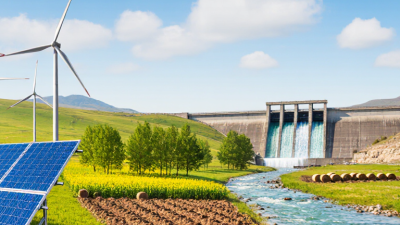
For global buyers, wind, hydropower, and geothermal energy offer different strengths. Wind power scales quickly across coastal plains, deserts, and agricultural regions. IRENA reported approximately 1,017 gigawatts of global wind capacity by the end of 2023. Modern turbines can serve utility grids, industrial sites, and remote microgrids. However, wind output changes hourly, so buyers should examine storage, transmission access, and seasonal production records. It is not simple.
Hydropower remains the largest renewable electricity source. IRENA’s Renewable Capacity Statistics 2024 recorded about 1,268 gigawatts of installed hydropower capacity worldwide. Reservoir projects can provide flexible electricity, while run-of-river systems reduce large storage requirements. Their practical value depends on rainfall, river ecology, sediment, and community consultation. The International Energy Agency notes that aging hydropower facilities require major investment, especially for safety upgrades and efficiency improvements. A cheap purchase can become expensive maintenance.
Geothermal energy supplies steady power and useful heat, especially in volcanic or tectonically active regions. Global installed geothermal capacity remained near 15 gigawatts in 2023, according to IRENA. Its small scale reflects drilling risk, limited geological data, and high early development costs. Buyers should request independent resource studies, production-test results, and clear decommissioning plans. These checks feel slow, but they prevent optimistic forecasts from guiding long contracts. Better data does not remove uncertainty. It makes uncertainty visible.
Bioenergy, Green Hydrogen, and Ocean Energy Technologies
10 Best Sustainable Energy Solutions for Global Buyers?
Bioenergy, Green Hydrogen, and Ocean Energy Technologies
Bioenergy can convert agricultural waste, food scraps, and forestry residues into useful heat, gas, or electricity. The feedstock matters. Buyers should verify its origin, moisture content, transport distance, and land-use impact. Anaerobic digesters can produce biogas near farms and wastewater facilities. However, poorly managed systems may release methane or create odor problems. Reliable projects measure emissions throughout the supply chain, not only at the generator.
Green hydrogen uses renewable electricity to split water into hydrogen and oxygen. It can support steelmaking, shipping fuels, fertilizer production, and seasonal energy storage. Electrolyzer performance depends on water quality, electricity availability, maintenance skills, and grid conditions. A project may look clean on paper but lose value when power comes from carbon-intensive sources. Buyers need clear renewable-energy certificates, safety procedures, and independent lifecycle assessments.
Ocean energy includes tidal-stream turbines, wave devices, and ocean thermal systems. These technologies can serve coastal regions with predictable marine resources. Saltwater corrosion, storms, underwater maintenance, and complex permits remain serious challenges. Small leaks matter. Field demonstrations often reveal costs that laboratory tests miss. Global buyers should examine local ecosystems, fishing activity, insurance requirements, and end-of-life recovery plans. The picture is not perfect, and careful pilots may be wiser than rapid expansion.
Energy Storage, Smart Grids, and Sustainable Purchasing Decisions
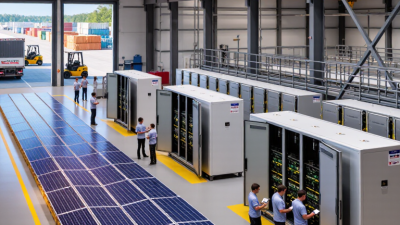
Sustainable energy purchasing now requires more than choosing solar panels or efficient equipment. Buyers should examine how energy is stored, shared, measured, and maintained. Battery storage can reduce peak-time purchases and keep essential operations running during short outages. However, batteries lose capacity with age and extreme temperatures. That detail is often overlooked.
Smart grids connect meters, storage systems, renewable generators, and flexible equipment. A warehouse might charge batteries when renewable electricity is plentiful, then use stored power during evening demand.
Sensors can monitor voltage, temperature, and consumption in short intervals. Reliable data supports better contracts and reduces waste. Yet forecasts are imperfect. A cloudy week can disrupt an attractive energy plan.
Sustainable purchasing decisions should include lifecycle emissions, repair access, recycling arrangements, safety testing, data protection, and supplier experience. Buyers can request clear performance records instead of accepting broad environmental claims. They should also compare round-trip efficiency, expected degradation, maintenance needs, and end-of-life responsibilities.
Lowest price is not always lowest cost. A cheaper system may require frequent replacement or difficult disposal. Independent technical reviews and documented compliance improve trust.
Still, every project has compromises. Local grid conditions, financing limits, and available land may narrow the practical choices. Good procurement leaves room to measure results, question assumptions, and adjust the system over time.