What is Green Energy and Why is it Important for Businesses?
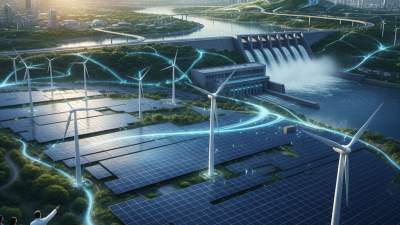
Green Energy is transforming the business landscape. It refers to energy derived from natural sources that are renewable. This includes solar, wind, and hydroelectric power. As climate change accelerates, the need for sustainable energy becomes more pressing. Businesses must adapt to these changes to thrive.
The shift to Green Energy offers numerous benefits. It reduces carbon footprints and lowers energy costs. Companies that embrace sustainable practices often attract environmentally conscious customers. However, some businesses face challenges. Transitioning to Green Energy can be complex and costly. Choosing the right technologies may require expert advice and substantial investment.
As the world moves towards greener practices, businesses must evaluate their energy sources. Investing in Green Energy is not just a trend; it is essential for long-term success. Companies that fail to adapt may struggle in an increasingly eco-aware marketplace. Embracing Green Energy is a step towards a sustainable future.
Definition of Green Energy and Its Types
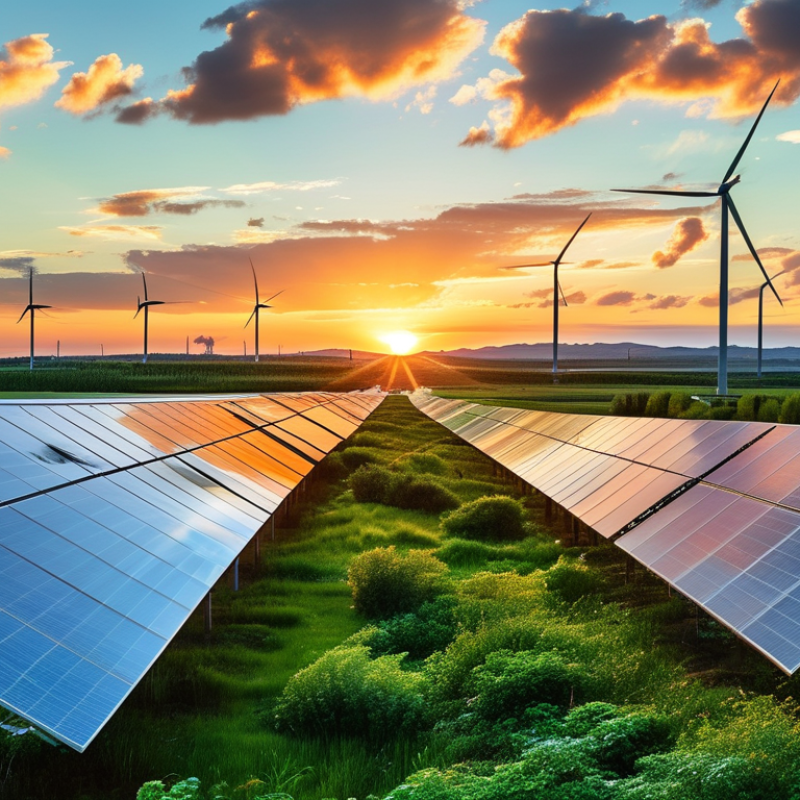
Green energy refers to renewable energy sources that are environmentally friendly. These sources produce little to no pollution. They include solar, wind, hydro, geothermal, and biomass energy. Each type harnesses natural processes to generate electricity or heat, contributing to a sustainable future.
Solar energy captures sunlight using photovoltaic cells. It transforms sunlight into electricity, which can power homes or businesses. Wind energy, on the other hand, utilizes wind turbines. These turbines convert wind's kinetic energy into electricity. Hydro energy relies on flowing water, often from rivers or dams, to generate electricity.
Geothermal energy taps into the Earth’s internal heat. It provides heating and electricity in areas with geothermal activity. Biomass energy utilizes organic materials, like plants and waste, for energy production. While these options show promise, there are limitations. The effectiveness of each type can vary by location. There can be high initial costs and ongoing maintenance. Businesses must assess their environmental impact and energy needs carefully.
The Role of Green Energy in Reducing Carbon Footprint
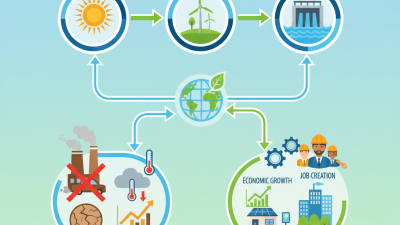
Green energy plays a vital role in reducing the carbon footprint of businesses. Utilizing renewable energy sources, such as solar or wind, minimizes greenhouse gas emissions. This shift helps combat climate change, a pressing issue facing our planet today. Companies committed to green energy contribute to a healthier environment and improve their public image.
Tips for businesses looking to go green include starting small. Begin by assessing current energy consumption. Switching to energy-efficient appliances can significantly reduce energy use. Additionally, consider subscribing to green energy programs offered by local utilities. Educating employees about sustainability practices fosters a culture of environmental responsibility.
Investing in green technology reflects a company's commitment to sustainability. This may seem daunting, as upfront costs can be high. However, long-term savings on energy bills often outweigh initial investments. Analyzing local incentives for renewable energy can also improve financial feasibility. Emphasizing transparency about these efforts boosts customer trust and engagement.
Economic Benefits of Green Energy for Businesses
Green energy has emerged as a pivotal element in modern business strategies. Research from the International Renewable Energy Agency (IRENA) indicates that companies utilizing renewable energy sources can reduce operational costs by up to 30%. This shift enhances financial stability and promotes long-term resilience in an ever-changing market.
Investing in green energy can bring substantial tax incentives and subsidies. According to a report by the U.S. Department of Energy, businesses transitioning to renewable energy often benefit from a 20% reduction in annual energy expenses. This creates a fertile ground for innovation and new job opportunities in green sectors. Furthermore, adopting sustainable practices can improve a company's reputation, attracting environmentally conscious consumers.
However, not all businesses are equipped for this transition. Initial investments can be daunting. A study by McKinsey shows that only 25% of companies in traditional industries have fully integrated green energy solutions. Businesses must carefully evaluate their capabilities and market conditions before committing to significant changes. While the benefits are considerable, a cautious approach is necessary to avoid potential setbacks during the transition.
Challenges in Implementing Green Energy Solutions
Implementing green energy solutions presents notable challenges for businesses. One major obstacle is the initial investment. Many renewable energy technologies, such as solar panels and wind turbines, require a significant upfront cost. Companies can hesitate when faced with tight budgets. This hesitance often leads to missed opportunities for long-term savings.
Technical expertise is another hurdle. Transitioning to green energy often necessitates specialized knowledge. Businesses may lack in-house experts, leading them to rely on external consultants. This can be both costly and time-consuming. Employees may also require training, adding to the complexity of the transition.
Regulatory uncertainty further complicates the situation. Policies regarding renewable energy can shift rapidly. Companies must stay informed about local regulations and incentives. This can be a daunting task, especially for small to medium-sized enterprises. The risk of investing in a solution that may not be compliant in the future can deter action. Balancing these challenges while striving for sustainability is crucial for modern businesses.
Future Trends in Green Energy Adoption for Companies
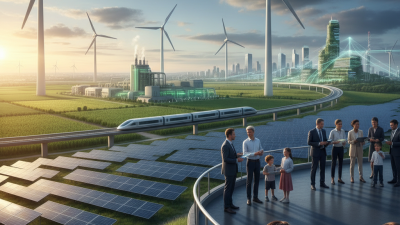
The landscape of green energy is evolving rapidly. Companies are beginning to adopt renewable sources like solar and wind power. This shift is driven by a need for sustainable practices and reducing carbon footprints. Many businesses see potential in energy efficiency. Lowering energy costs is a significant motivator. However, the transition is not always smooth.
Some companies struggle with the initial investment. The upfront costs of green technologies can be daunting. Yet, as technology advances, prices are expected to decrease. Companies should consider long-term benefits. Studies indicate that businesses using green energy can enhance brand reputation. Sustainability can attract eco-conscious consumers.
Looking ahead, collaboration among industries will be key. Integrating renewable energy into supply chains presents challenges. Not all regions have equal access to green resources. Some companies may need to rethink their strategies. Adapting to this change requires flexibility and innovation. The future of energy is green, but the path is complex.
What is Green Energy and Why is it Important for Businesses? - Future Trends in Green Energy Adoption for Companies
| Energy Source |
Percentage of Usage (%) |
Advantages |
Challenges |
| Solar Energy |
30% |
Renewable, Low Operating Costs |
High Initial Investment, Weather Dependent |
| Wind Energy |
25% |
Clean, Low Cost |
Intermittent Supply, Impact on Wildlife |
| Hydropower |
20% |
Reliable, Large Scale Potential |
Drought Risk, Environmental Impact |
| Biomass Energy |
15% |
Waste Reduction, Versatile |
Land Use Competition, Emissions |
| Geothermal Energy |
10% |
Constant Energy Supply, Small Footprint |
Location Specific, High Initial Costs |