What is a Universal Bone Drill and How Does It Work?
The Universal Bone Drill is a pivotal innovation in orthopedic surgery. It addresses the growing need for precision and efficiency in bone procedures. With an estimated global bone drill market projected to reach $2.7 billion by 2027, this device is becoming increasingly significant. The Universal Bone Drill offers versatility, accommodating various surgical needs.
Surgeons rely on this tool for its ability to enhance accuracy. An effective bone drill reduces the risk of complications during surgeries. However, challenges remain in its operation. Training on the Universal Bone Drill is essential to maximize its benefits. Misuse can lead to injuries, highlighting the importance of educating medical staff.
Patients deserve optimal care. As surgical techniques evolve, the necessity for advanced tools like the Universal Bone Drill is undeniable. Continued research and development are vital for improving safety and performance in orthopedic surgery. Ultimately, embracing this technology could redefine patient outcomes and elevate the standards of medical practice.
What is a Universal Bone Drill?
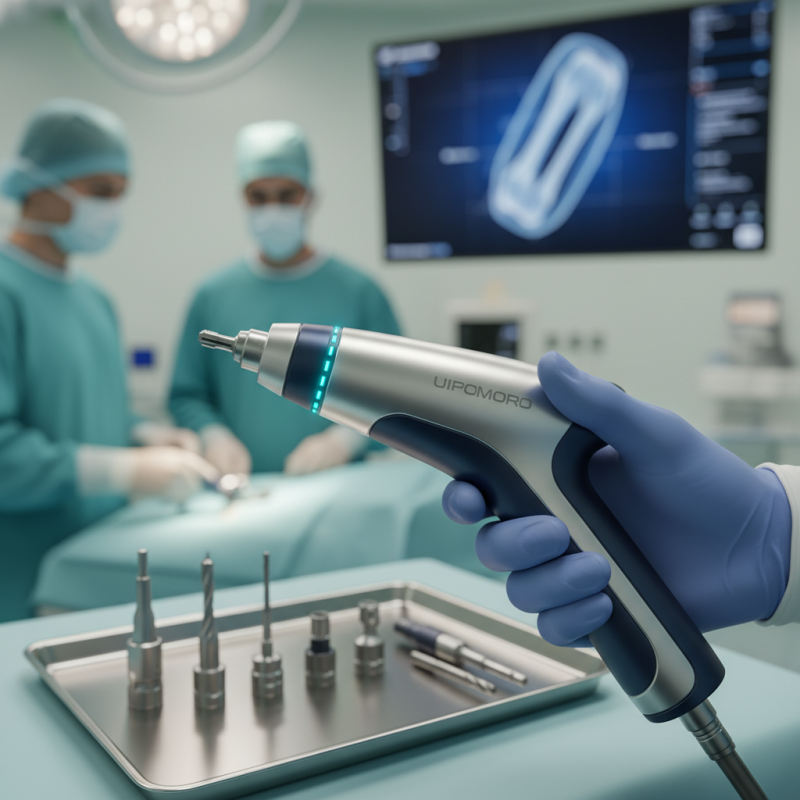
A universal bone drill is a vital surgical tool used in orthopedic procedures. It helps doctors perform precise drilling into bone tissue. This drill can accommodate various attachments for different tasks. This versatility allows it to be used in different surgeries, from joint replacements to fracture repairs.
The mechanism behind a universal bone drill is quite fascinating. It operates with a motor that spins a drill bit at high speeds. Surgeons can control the speed and torque, ensuring safety and accuracy. The drill's ergonomic design enhances the surgeon's grip, minimizing hand fatigue. However, using such tools requires training and experience. Misjudgments can lead to complications. Surgeons must often reflect on their technique to improve.
In practice, the universal bone drill proves to be a double-edged sword. On one hand, it allows for efficient procedures and better patient outcomes. On the other hand, the learning curve can be steep. Inexperienced hands may struggle with this advanced equipment. Constant practice is crucial for mastery. Each surgery is a chance to refine skills and enhance precision.
The History of Bone Drilling Technology
The history of bone drilling technology dates back thousands of years. Early methods relied on simple tools made from stone, wood, or metal. Ancient civilizations used these rudimentary drills for medical procedures. Skilled practitioners drilled into bones to relieve pressure or extract marrow. Techniques evolved slowly, reflecting advancements in material and design.
The introduction of powered drills revolutionized the field in the 19th century. Surgeons embraced electric drills, which provided greater efficiency and accuracy. This innovation reduced the time needed for surgery. However, it also raised concerns about infection and precision, which had to be addressed. Now, universal bone drills combine the principles of past technologies with modern engineering.
Tips: When exploring bone drilling, always prioritize safety. Ensure tools are sterilized before use. Familiarize yourself with each tool's specifications. Understand that practice enhances skill. Reflect on the journey of technology. Improvements can come from even small changes. Your approach may shape future advancements.
What is a Universal Bone Drill and How Does It Work? - The History of Bone Drilling Technology
| Dimension | Data |
| Type of Drill | Universal Bone Drill |
| First Introduced | Late 19th Century |
| Common Uses | Orthopedic Surgery, Dental Surgery |
| Power Source | Electric, Pneumatic |
| Drill Speed | 1200 - 2500 RPM |
| Key Features | Interchangeable Bits, Ergonomic Design |
| Material Used | Surgical Stainless Steel, High-Strength Plastics |
| Maintenance Requirements | Regular Cleaning, Lubrication |
Key Components of a Universal Bone Drill
A Universal Bone Drill is an essential tool in orthopedic surgery. It has several key components that contribute to its efficiency. The motor is a vital element. It provides the necessary power to drill through bone, with speeds reaching over 1,200 RPM. This allows for quick and precise operations. The drill bits are another crucial part. They come in various sizes and shapes, designed for different surgical applications.
Another important component is the handpiece. It connects the motor to the drill bit. Ergonomic design ensures the surgeon can operate the drill comfortably. This reduces fatigue during lengthy procedures. Reports indicate that a well-designed handpiece can improve operability by up to 30%.
The cooling system is often overlooked but is critical. It prevents overheating during surgery. Prolonged drilling can damage both the tool and the patient’s tissue. An efficient cooling mechanism can enhance the lifespan of the drill. Some studies suggest that nearly 25% of drills fail due to inadequate cooling. Each part of the universal bone drill plays a role in its effectiveness and durability. The attention to detail in design can make a significant difference in surgical outcomes.
How a Universal Bone Drill Operates
A Universal Bone Drill is a key instrument in orthopedic surgery. It has a simple design but a significant impact. Surgeons use it for drilling into bones. The drill features different attachments to suit various procedures. This versatility is crucial during surgeries.
When the universal bone drill operates, it uses rotational speed and torque. The surgeon positions the drill precisely on the bone surface. The drill bit rotates and penetrates the bone efficiently. The process requires steady hands and focused eyes. Mistakes can lead to complications, so precision is vital.
Training is essential to master the use of this tool. Surgeons often practice before performing actual procedures. Each operation presents unique challenges. Yet, the universal bone drill remains a trusted ally in the operating room. Understanding how it works helps build confidence in its application. Adjustments in technique may be necessary based on the procedure type.
Applications and Benefits of Using Universal Bone Drills
Universal bone drills are essential tools in modern surgery. Their primary application is in orthopedic procedures. They help to create precise holes in bone tissue. This capability supports various procedures, including installing screws or plates. Surgeons can perform tasks with improved accuracy and efficiency. With their user-friendly design, these drills enhance the surgical experience.
The benefits of using universal bone drills are numerous. First, they reduce operation time significantly. Quick drilling means shorter surgeries and improved recovery for patients. Additionally, these drills minimize trauma to surrounding tissues. This reality leads to less pain and faster healing. However, there are challenges. Improper use can lead to complications. Surgeons must be trained thoroughly to avoid errors. Ultimately, careful training and practice can maximize the benefits of these devices in the operating room.