
Top 10 Vehicle Power Inverters You Should Consider Today?

When it comes to road trips, a vehicle power inverter can be a game changer. Whether you're camping, working on the go, or simply need to charge devices, these devices are essential. A quality inverter allows you to convert your vehicle's DC power into AC power, opening up many possibilities.

Choosing the right vehicle power inverter requires careful consideration. Different models have varying power capacities and features. Some offer multiple outlets, while others include USB ports for convenience. Think about your needs. Will you use it for small gadgets or larger appliances?

The perfect vehicle power inverter can enhance your travel experience. However, selecting one can be overwhelming. It’s crucial to assess your power requirements and usage scenarios. There’s a lot to consider, and some options may not suit everyone's needs. Be mindful of compatibility, maximum wattage, and safety features. Your choice could make or break your adventure.
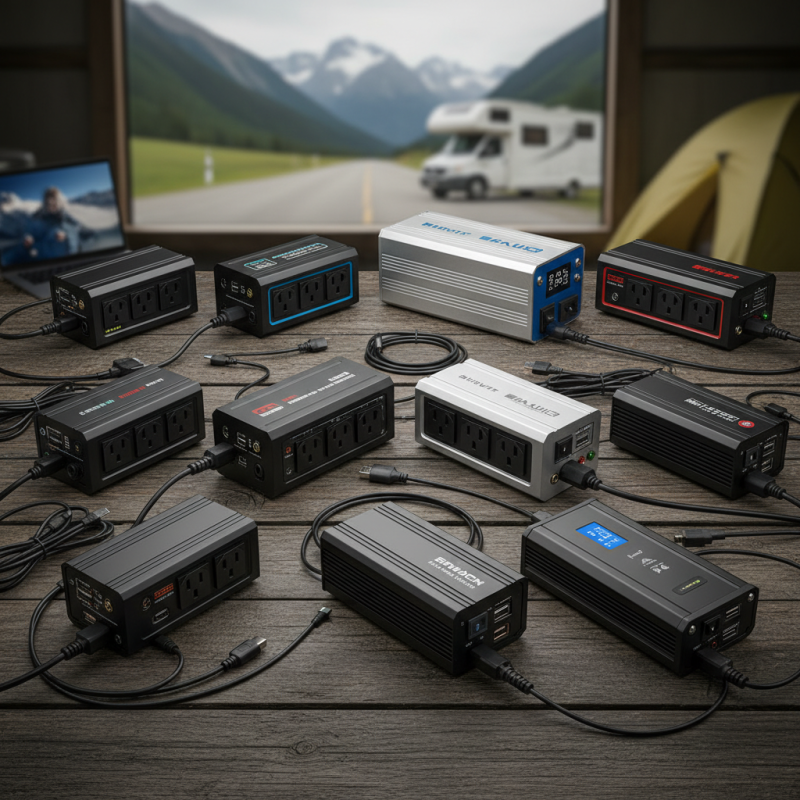
Top 10 Vehicle Power Inverters You Should Consider Today?

Top 10 Vehicle Power Inverters: Essential Features and Specifications

When considering vehicle power inverters, you need to focus on key features and specifications. A good inverter converts DC power from your vehicle to AC for powering various devices. Look for inverters with a continuous output of at least 200 watts. Many models offer up to 3000 watts, but you may not need that much for casual use.

Efficiency ratings are essential. Reports indicate that inverters with an efficiency rate above 85% are ideal. This can save battery life significantly. Pay attention to the number and types of outlets available, especially USB ports. Having multiple outlets can aid in powering various devices simultaneously.

Tips: Always check if the inverter has built-in safety features. Overload protection and short circuit prevention are crucial for device safety. Monitor your vehicle’s battery level; running devices too long may deplete it. Lastly, ensure your inverter has a cooling fan. High temperatures can affect performance and lifespan. Be mindful of these aspects for the best experience.

Top 10 Vehicle Power Inverters You Should Consider Today

Model Power Output (W) Input Voltage (V) Number of Outlets Weight (lbs) Price ($)
150W Portable Inverter 150 12 2 1.5 29.99
400W Modified Sine Wave 400 12 3 3.0 59.99
1000W Power Inverter 1000 12 4 7.0 89.99
2000W Pure Sine Wave 2000 12 4 10.0 159.99
300W Heavy Duty Inverter 300 12 2 2.5 39.99
600W All in One Inverter 600 12 4 5.0 69.99
700W Ultra Lightweight 700 12 3 4.0 79.99
1500W Dual USB Ports 1500 12 4 9.0 109.99
2500W Emergency Power 2500 12 6 12.0 199.99
3000W Power Supply Inverter 3000 12 8 15.0 249.99

Understanding Different Types of Vehicle Power Inverters for Your Needs

Choosing the right vehicle power inverter is crucial for various applications.

Whether you're on a road trip or camping, understanding types can enhance your experience. There are three main types: modified sine wave, pure sine wave, and grid tie.

Modified sine wave inverters are cost-effective but may not power sensitive devices well. Pure sine wave inverters, while pricier, are better for electronics.

Research shows that about 60% of users prefer pure sine wave inverters for their reliability.

This type mimics household power, reducing risks. Many reports indicate that using modified sine wave inverters can lead to device malfunctions. Consider this carefully. You've invested in devices, so protect them with the right inverter.

Another aspect is wattage capacity. A typical car inverter ranges from 150 to 3000 watts. Choosing one that matches your needs is key.

Many people overlook this detail and end up with underperformance. If you have high-wattage devices, your inverter needs to accommodate them. The right inverter transforms your on-the-go experience, allowing you to power essential devices efficiently. Always research before making a choice; your devices depend on it.

Key Industry Data on Power Output and Efficiency Ratings

When considering vehicle power inverters, understanding power output and efficiency ratings is crucial. According to industry reports, inverters typically vary from 150 watts to over 3000 watts. The output capacity determines what devices can be powered. Lower wattage inverters are ideal for small electronics. High-wattage options support power-hungry equipment like refrigerators or tools.

Efficiency ratings significantly impact performance. Inverters commonly exhibit efficiencies between 80% and 95%. A unit with 95% efficiency converts more DC power to AC power. This lower energy loss means longer battery life on the road. However, some models fall short of their efficiency claims. Users often report discrepancies between expected and actual performance. This speaks to the need for thorough research before purchase.

Noise levels can also vary widely. Some inverters operate quietly, while others emit high-frequency sounds. Noise can detract from the driving experience. Additional features, like USB ports and integrated circuit protection, may influence your choice. Understanding these key specifications helps ensure a sound investment. Be wary of complications arising from low-quality choices.

Installation Insights: Best Practices for Vehicle Power Inverter Setup

When installing a vehicle power inverter, proper setup is crucial for safe and efficient performance. Statistics show that nearly 30% of malfunctions in inverters stem from incorrect installations. Keep in mind the gauge of the wiring used. Using insufficient wire can lead to overheating, which is a major risk factor. Choosing the right size wire based on the inverter's wattage is essential. For instance, a 1000-watt inverter typically requires a minimum of 4-gauge wire for optimal safety and efficiency.

Ventilation is another key consideration. Inverters generate heat that must dissipate to avoid damage. Many users overlook this aspect, which can prematurely wear down the device. Ensure there is ample airflow around the inverter’s installation area. According to industry reports, a well-ventilated unit can perform up to 15% better than poorly ventilated ones. Regularly check the connection points as well. Loose or corroded connections can decrease efficiency and pose safety hazards, leading to potential failures. Make it a point to inspect these connections during routine maintenance.

Safety Features and Compliance Standards in Modern Inverter Designs

When selecting a vehicle power inverter, safety features are paramount. Modern inverters should include safeguards like overvoltage protection and short circuit prevention. These features help prevent damage to both the inverter and connected devices. A reliable inverter won’t just stop working; it should protect your equipment.

Compliance standards are vital in ensuring safety. Inverters that meet industry regulations tend to offer better reliability. Check for certifications like UL or ETL. Such labels can indicate higher quality and safer designs. However, not all inverters display these standards prominently. It's always wise to research further and confirm compliance details.

While many inverters have advanced designs, some still fall short. User feedback often reveals hidden issues. Poor cooling systems can lead to overheating. Some models may be bulky and difficult to store. It’s essential to look beyond the specifications and consider user experiences. This extra step can save you from potential problems on the road.

Top 10 Vehicle Power Inverters: Safety Features and Compliance Standards