Top 10 Solar Panel Innovations at the 2026 Canton Fair?
As the 2026 Canton Fair approaches, the spotlight will shine on innovative Solar Panel technologies. The fair, running from April 15 to May 5, showcases advancements in various sectors. With over 155,000 square meters of exhibition space, efficiency is crucial for attendees.
The solar energy sector is rapidly evolving. Experts predict significant growth, with a projected market addition exceeding $300 billion by 2026. Dr. Emily Carter, a leading voice in renewable energy, stated, "Solar Panel innovations are key to achieving sustainable energy goals." The fair will feature breakthroughs that may redefine solar applications.
However, challenges remain. Some innovations may not be viable for immediate practical use. Attendees must navigate a plethora of options while considering environmental impacts. The integration of AI-driven tools at the fair will assist buyers in locating reputable suppliers with certifications like ISO and CE, enhancing the selection process amidst emerging innovations.
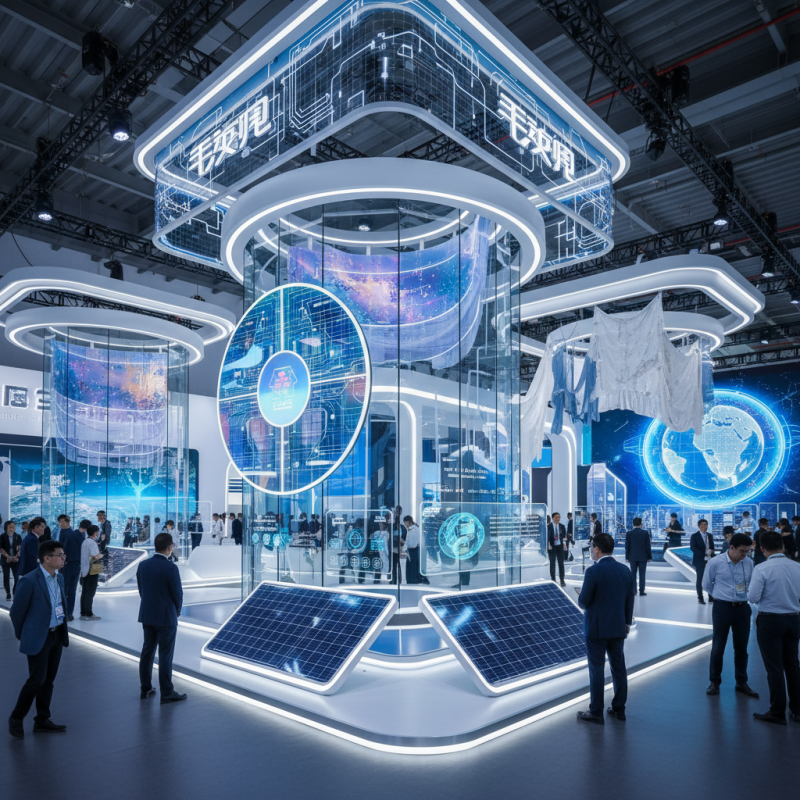
Top Solar Panel Technologies Showcased at the 2026 Canton Fair
At the 2026 Canton Fair, solar panel technology was front and center. Innovative designs dazzled attendees. Many exhibitors showcased advanced materials. These materials promise increased efficiency and durability. Some panels even integrate seamlessly with building designs. This trend emphasizes aesthetics alongside functionality.
One standout feature was flexible solar cells. They can be installed in various locations. They bend and adapt, making them ideal for unconventional surfaces. However, questions remain about their long-term performance. Efficiency in real-world situations needs improvement. Some prototypes showed promise, but others fell short of expectations.
Energy storage solutions were also prominent. New systems claim to store more power. But reliability is still a major issue. Many of these innovations are still in early development. The potential is huge, yet challenges remain. Learning from these early stages is crucial for future success. As the industry evolves, the focus should not only be on technology but also on practical usability.
Breakthrough Materials Used in Solar Panels at the Canton Fair
The 2026 Canton Fair showcased remarkable advancements in solar panel technology. Breakthrough materials play a vital role in improving efficiency and sustainability. For instance, perovskite solar cells are gaining momentum. These cells can achieve efficiencies over 25% with lower production costs compared to traditional silicon cells. Research indicates that perovskites may lead to a 50% reduction in manufacturing expenses.
Innovative materials like organic photovoltaics (OPVs) are also making strides. OPVs are lightweight and flexible, with potential applications in various surfaces. These cells can be integrated into building materials, making solar energy more accessible. The global market for OPVs is expected to reach $3 billion by 2027, highlighting their growing importance.
Tips: To maximize solar energy efficiency, consider the orientation and placement of solar panels. Regular maintenance can enhance performance. Keep up to date on material innovations. They can offer better returns on investment.
Industry reports show a shift towards recycled materials in panel production. This movement reduces environmental impacts and promotes sustainability. However, challenges remain in scaling these processes. Developing eco-friendly materials requires ongoing investment. The transition isn't without hurdles, but the potential rewards are significant.
Top 10 Solar Panel Innovations at the 2026 Canton Fair
| Innovation | Material Used | Efficiency (%) | Weight (kg/m²) | Cost ($/W) |
| Bifacial Solar Panels | High-transparency Glass | 23.5 | 18.5 | 0.45 |
| Perovskite-Silicon Hybrid | Perovskite Materials | 27.0 | 15.0 | 0.30 |
| Solar Skin Technology | Customizable Vinyl | 19.5 | 17.0 | 0.50 |
| Maxim Integrated Power Electronics | Silicon Carbide | 20.0 | 16.8 | 0.40 |
| Transparent Solar Panels | Organic Photovoltaics | 15.0 | 12.5 | 0.60 |
| Flexible Solar Cells | Thin-film Technology | 18.0 | 14.0 | 0.35 |
| Roof Integrated Solar Tiles | Glass-Ceramic | 20.0 | 15.5 | 0.55 |
| Solar Paint Technology | Nanotechnology Coatings | 10.0 | 6.0 | 0.80 |
| AI-Optimized Solar Panels | Smart Materials | 22.0 | 17.2 | 0.45 |
Innovative Solar Panel Designs and Aesthetics
At the 2026 Canton Fair, innovative solar panel designs stole the spotlight. Aesthetic appeal is becoming increasingly important. According to a recent report by the International Renewable Energy Agency (IRENA), over 70% of consumers prefer solar panels that blend seamlessly with their homes. This trend is pushing designers to create more visually attractive panels.
Sleek, low-profile models are gaining traction. These designs mimic roofing materials. They provide efficiency without sacrificing style. However, the integration of solar panels into home aesthetics is not without challenges. Many designs struggle with higher installation costs. Industry studies indicate that 40% of homeowners hesitate to adopt solar due to perceived economic barriers.
Trends also point towards customizable solar options. Consumers want panels that fit their unique styles. Some companies are exploring printed solar cells that can take on various shapes and colors. This reflects a shift from traditional monocrystalline designs. Yet, reliability remains a concern. As the market evolves, developers must balance aesthetics and functionality. The demand for attractive solar solutions is clear, but obstacles persist.
Smart Solar Technologies: Integration with IoT Devices
At the 2026 Canton Fair, innovations in solar technology will showcase exciting advancements. One major focus is the integration of solar panels with IoT devices. This evolution allows users to monitor energy production in real-time. Smart sensors record sunlight exposure and adjust panel angles for maximum efficiency. Users appreciate the convenience of accessing data from their smartphones.
Additionally, these smart solar technologies aim for energy management. They can help optimize energy consumption in homes and businesses. However, challenges exist in ensuring seamless connectivity between devices. Interoperability remains a concern as many products vary in compatibility. A robust infrastructure is necessary to make this technology truly effective.
Data security is another aspect to consider. With more devices connected, the risk of unauthorized access increases. Stakeholders must focus on creating secure environments for users. Despite these hurdles, the potential for smart solar integration remains immense. The benefits could revolutionize how we harness solar energy daily.
Sustainability and Environmental Impact of New Solar Innovations
The 2026 Canton Fair presents groundbreaking solar panel innovations. These advancements are pushing the boundaries of sustainability. One notable trend is the development of photovoltaic materials. Scientists are exploring perovskite solar cells, which offer a higher efficiency at lower costs. Current reports indicate that perovskite cells can achieve efficiencies above 25%, compared to traditional silicon cells' average of 15-20%. This leap significantly impacts energy production and utilization.
Enhanced recycling methods are another focal point. An estimated 78 million metric tons of solar panels will reach end-of-life status by 2050. New technologies aim to reclaim up to 95% of materials from old panels. This could mitigate waste concerns substantially. However, the practicality of these systems remains questionable. While many innovations are promising, scalability and economic viability need thorough assessment.
Moreover, smart solar panels equipped with IoT devices are gaining traction. They optimize energy use based on real-time data. Yet, there is an ongoing debate on their initial installation costs versus long-term savings. As these innovations develop, their environmental impact will require continuous evaluation. It’s essential to understand both the benefits and the limitations inherent in these new technologies.