Top Quality Single Garden Gate Options for Global Buyers?
When considering the perfect entry point for your garden, a high-quality single garden gate cannot be overlooked. The importance of an ideal gate extends beyond mere functionality. It enhances the aesthetic appeal of your outdoor space. Buyers globally seek options that reflect durability and style. A well-crafted single garden gate provides both security and charm.
Various materials and designs are available in the market today. Wood, metal, and vinyl each offer unique benefits. A wooden gate can add warmth, while metal can ensure long-lasting resilience. Craftsmanship plays a crucial role here. It is essential to choose options that withstand weather and endure time. However, not all gates are created equal.
As we navigate through various options, it is vital to balance quality with cost. Some gates may seem appealing but offer little in terms of durability. Reflecting on what you truly need can help avoid regrets later. A single garden gate is more than just an entry point; it is a statement piece that requires careful selection.
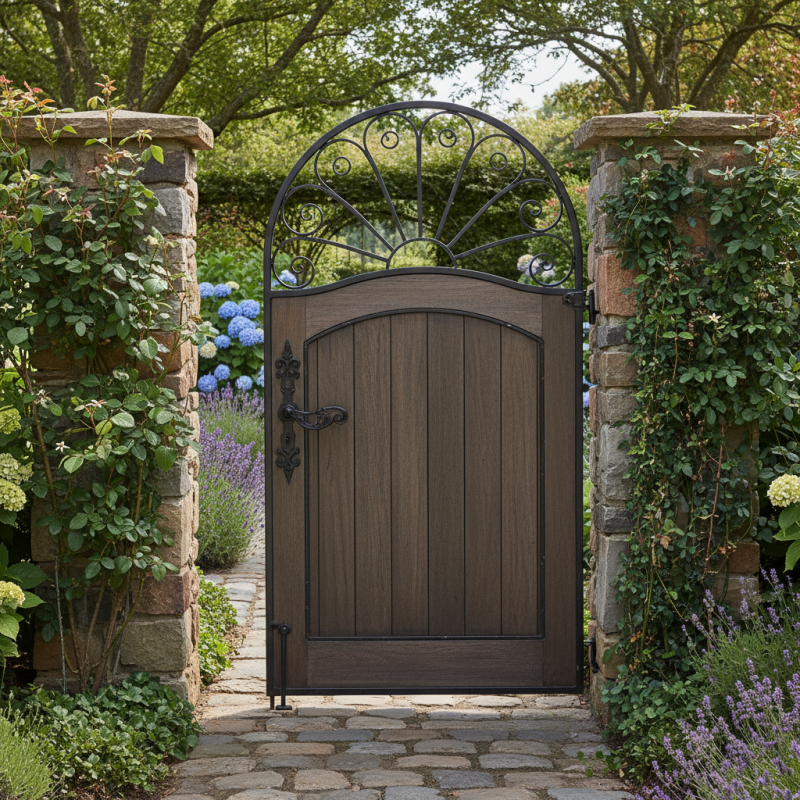
Types of Single Garden Gates Available in the Market
When exploring single garden gate types, options abound. Wooden gates remain a popular choice. They offer charm and versatility. Reports indicate that 40% of buyers prefer wooden designs. Timeless styles blend with various garden aesthetics. However, wood needs regular maintenance to prevent rot.
Metal gates are another favored option. Aluminum and wrought iron provide durability and security. According to industry studies, 35% of consumers choose metal alternatives for their robustness. These materials resist weathering but can be costlier upfront. It's crucial to consider long-term implications of your choice.
Vinyl gates present a low-maintenance solution. They are resistant to fading and don’t require painting. Data shows that vinyl sales have surged by 25% in the past five years. However, some buyers question their strength against impacts. Choosing the right type is not just a matter of preference. It requires balancing aesthetics, durability, and cost. Each option has its strengths and challenges.
Materials Used in High-Quality Garden Gates for Durability
When selecting a high-quality garden gate, the materials used are crucial for durability and appearance. Most industry experts recommend choosing gates made from wood, metal, or composite materials. According to a 2022 report by the International Garden Gate Association, wood gates can last up to 15 years if properly maintained. Cedar and redwood are particularly sought after for their natural resistance to decay.
Metal gates, such as those made from wrought iron or aluminum, offer exceptional strength. These materials withstand harsh weather and require minimal maintenance. A study by the Global Construction Materials Council highlighted that galvanized steel enhances corrosion resistance and increases longevity by over 25%. However, metal can be prone to rust without proper treatment.
Composite gates combine the benefits of wood and plastic. They resist fading and require less upkeep. While they typically have a shorter lifespan than wood, modern composites can last 20 years or more. It’s essential to weigh the pros and cons of each material before making a decision. Not all options may meet your aesthetic or functional needs. Understanding these differences can lead to more informed choices when investing in garden gates.
Design Considerations for Choosing the Perfect Garden Gate
When choosing the perfect garden gate, design is key. An aesthetically pleasing gate enhances the overall look of your garden. Think about the materials. Wood can add warmth, while metal brings a modern touch. Each material has its own maintenance needs. How often will you need to refinish wood? Would a rust-resistant metal serve better?
Consider the size and scale of your garden. A small gate can look lost in a vast yard, while an oversized gate can overwhelm a petite space. The color also matters. Soft neutrals blend well with nature, while bold colors can make a statement.
Security is another factor to ponder. Will your gate provide privacy? A solid gate serves that purpose. However, a more open design fosters a welcoming feel. Reflect on what you want to express through your gate.
Don’t forget functionality. Does it swing or slide? Can it accommodate a garden cart easily? A gate should not only impress but also serve your needs effectively. Take your time to evaluate these details. Each choice shapes your garden's inviting atmosphere.
Key Features to Look for in Quality Garden Gates
When choosing a garden gate, quality is paramount. Look for sturdy materials like steel or solid wood. These options offer durability and can withstand harsh weather conditions. Check the finish; a good coat of paint or sealant can prevent rust and rot.
Consider the design as well. A gate should complement your garden's aesthetic. Mismatched styles can detract from the overall look. Pay attention to the hardware, too. Hinges and locks should be dependable for security and functionality. A flimsy lock may be easy to tamper with, compromising safety.
**Tips:** Always measure your space before purchasing. A gate that is too large or small can look out of place. Think about maintenance; some materials require more care than others. If you prefer a low-maintenance option, vinyl could suit your needs better. Look also for ease of installation; some gates come with all necessary parts, while others may need additional hardware. Remember, a quality gate is an investment in your home that enhances both security and beauty.
Top Brands and Manufacturers of Garden Gates for Global Buyers
When choosing a garden gate, quality is essential. A sturdy gate enhances security and provides aesthetic appeal. Many manufacturers offer a variety of styles tailored to different tastes. Some specialize in classic wooden designs, while others focus on modern metal options. Each material has unique advantages. Wooden gates often provide warmth but require regular maintenance. Metal gates offer durability and less upkeep, yet they can lack charm.
Global buyers should consider the reputation of manufacturers. Some brands excel in craftsmanship and sustainable practices. Researching a manufacturer's history can reveal their commitment to quality. Look for certifications that signify reliability. Reviews from existing customers provide insight into durability and overall performance. A gate is an investment for years to come; it should stand the test of time.
Cost shouldn't be the sole factor. A high-priced gate can disappoint if it doesn't match quality expectations. Conversely, a budget option might surprise with better durability. Evaluate personal needs, such as security features and ease of installation. Taking time to review options, even if it feels tedious, ensures satisfaction in the long run.