Top 10 Gas Turbines in China for Global Buyers Guide?
Gas turbines play a crucial role in the global energy landscape, particularly in China. According to recent reports from the International Energy Agency (IEA), gas turbines contributed significantly to the country's power generation capacity, accounting for over 25% of total electricity. This reflects their increasing importance as a cleaner alternative to coal and other fossil fuels.
China's gas turbine market is evolving rapidly. The nation is home to several leading manufacturers, producing advanced and efficient models. According to a report by Mizuho Securities, the demand for gas turbines is projected to grow by 5% annually through 2025. This growth is driven by the need for reliable energy sources and the push for reduced emissions.
However, challenges remain. High initial costs and ongoing maintenance can be barriers for many buyers. It is essential for global purchasers to weigh these factors against the long-term benefits of gas turbines. By collaborating with reliable manufacturers, buyers can leverage China's expertise in this sector while addressing their unique energy needs.
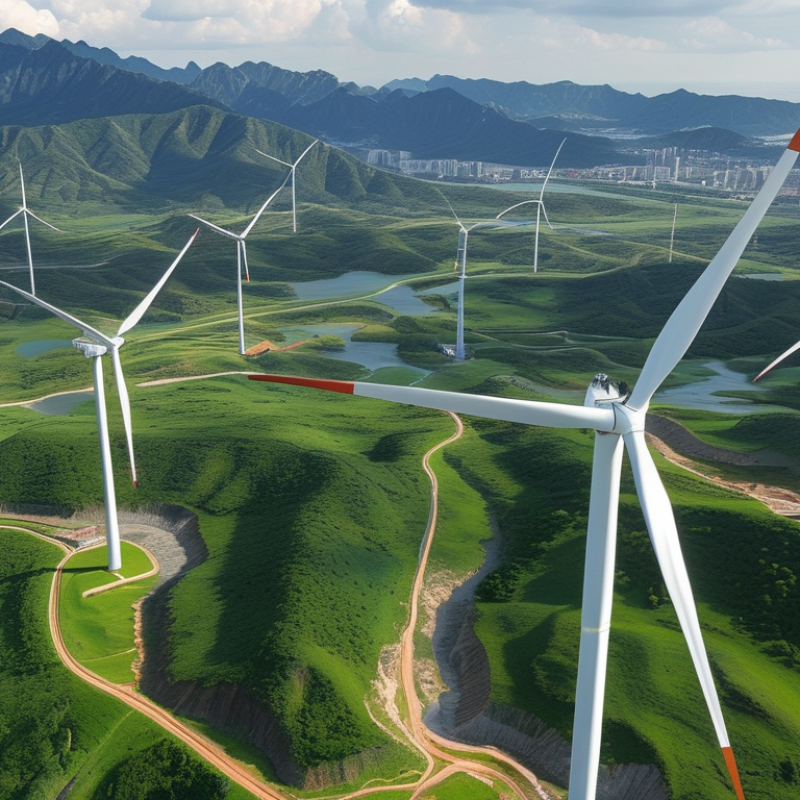
Overview of Gas Turbine Technology and Its Applications in China
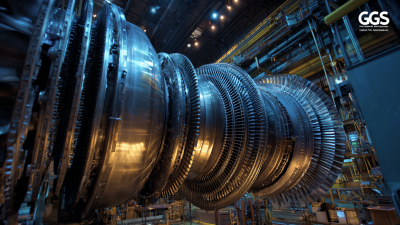
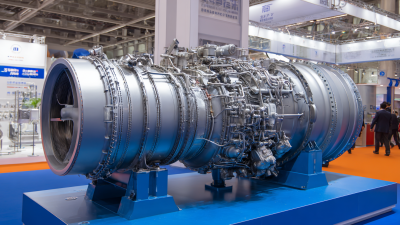
Gas turbine technology plays a significant role in China's energy landscape. These innovative systems convert fossil fuels into mechanical energy. They are efficient and versatile, serving various applications, including power generation and aviation. In recent years, China has focused on enhancing gas turbine efficiency and reliability.
Many industries utilize gas turbines for their quick response to demand fluctuations. These turbines provide peak power support in renewable-heavy grids. However, challenges persist, such as emissions and fuel flexibility. The industry must address these concerns to align with global sustainability goals.
Chinese manufacturers have made strides in turbine design and development. Yet, there are gaps in technology transfer and R&D investment. Collaboration with international experts could accelerate growth and innovation. Keeping pace with global standards will be crucial for the sector's future.
Key Manufacturers of Gas Turbines in China and Their Market Share
In recent years, China's gas turbine market has expanded significantly. This growth is driven by increasing energy demands and technological advancements. Several key manufacturers have emerged, each capturing distinct market shares. The competitive landscape is diverse, showcasing a blend of domestic companies and international collaborations.
Major players focus on enhancing efficiency and reducing emissions in their gas turbines. These innovations cater to various sectors, including power generation and industrial applications. While the market is thriving, challenges such as supply chain disruptions and fluctuating raw material costs persist. Some manufacturers struggle to consistently meet production demands, causing uncertainty in project timelines.
Many companies are investing heavily in research and development. This focus aims to position themselves as leaders in technology and sustainability. However, the rapid pace of change in this sector prompts a need for continuous adaptation. Buyers must navigate this evolving landscape carefully, weighing options based on reliability and performance. Making informed decisions is crucial in this dynamic environment.
Top 10 Gas Turbines in China for Global Buyers Guide
This chart displays the estimated market share of top gas turbine manufacturers in China. These percentages reflect the competitive landscape within the industry, indicating the prominence of each manufacturer in the market.
Top 10 Gas Turbines in China: Features and Specifications
China's gas turbine industry has made significant strides in recent years. When considering gas turbines, key features and specifications should guide your choice. Performance metrics, such as efficiency and output capacity, are pivotal. Efficiency rates can reach upwards of 60%, ensuring optimal fuel utilization. Output capacities often range from 30 MW to over 300 MW, accommodating various project scales.
Another crucial aspect revolves around emissions. Advanced models are designed to minimize environmental impact, adhering to stringent regulations. Customers should also consider installation and maintenance requirements. Some turbines require specialized training for operation, which can influence long-term operational costs. Understanding these factors could be daunting, yet it is necessary for informed decisions.
Durability is another aspect worth contemplating. A turbine's lifespan may vary based on usage and maintenance. Some variables can lead to unexpected breakdowns. Regular checks can mitigate risks and extend longevity. Buyers should think critically about these features to ensure they align with their needs and expectations in a competitive market.
Performance Comparison of Leading Gas Turbines for Global Buyers
When evaluating gas turbines in China, performance is paramount for global buyers. A recent industry report highlighted that the efficiency of modern gas turbines can exceed 60%. This is crucial for maximizing output while minimizing fuel consumption. In terms of power generation, leading models vary, but many achieve outputs of 200-300 MW. This range is suitable for both large scale and mid-sized applications.
High operational flexibility is desirable, especially regarding load response. Some models can ramp from 0% to full load in under 10 minutes. This rapid response is beneficial in today's dynamic energy markets. Additionally, emissions regulations are tighter, prompting the need for low-NOx (nitrogen oxides) solutions. Innovations have led to significant reductions, with some turbines achieving levels as low as 9 parts per million.
Performance varies significantly among options, suggesting buyers should conduct thorough research. Assessing operating conditions and projected lifecycle costs is vital. The ideal choice may not always reflect the highest specifications.
Consider these factors: emissions performance, fuel versatility, and maintenance requirements. These aspects can impact overall efficiency. A deeper understanding will help in making informed decisions. Choose based on comprehensive analysis rather than on brand reputation alone.
Considerations for International Buyers When Sourcing Chinese Gas Turbines
When sourcing gas turbines in China, international buyers should prioritize reliability and compliance with standards. Understanding local certifications is vital. In recent years, China has ramped up its production capabilities, with a reported growth of over 15% in the gas turbine market from 2020 to 2023. This rapid growth creates opportunities, but potential buyers must remain cautious.
The market is diverse, with varying levels of technology and efficiency. Buyers should review efficiency ratings carefully. Turbines with efficiencies exceeding 60% are increasingly common as manufacturers innovate. However, it’s essential to assess the compatibility of these turbines with existing infrastructure. Long-term maintenance support is also crucial; many Chinese manufacturers are improving this aspect, yet gaps remain.
Moreover, language and cultural differences can pose challenges in negotiations. Most contracts will involve complex specifications. Buyers should engage local expertise to facilitate understanding. Relying solely on technical documents might not suffice. Building relationships with manufacturers is essential for transparent communication. The landscape of the gas turbine industry in China offers potential, yet requires careful navigation to ensure successful procurement.
Top 10 Gas Turbines in China for Global Buyers Guide
| Model |
Power Output (MW) |
Efficiency (%) |
Applications |
Emission Standards |
| GT1 |
150 |
38 |
Power Generation, Industrial |
NOx < 30 ppm |
| GT2 |
200 |
40 |
Combined Cycle |
NOx < 25 ppm |
| GT3 |
250 |
41 |
Mechanical Drives |
NOx < 20 ppm |
| GT4 |
300 |
43 |
Multi-Use, Power |
NOx < 18 ppm |
| GT5 |
350 |
45 |
Cogeneration |
NOx < 15 ppm |
| GT6 |
400 |
46 |
Heavy Industry |
NOx < 12 ppm |
| GT7 |
450 |
48 |
Integrated Power Systems |
NOx < 10 ppm |
| GT8 |
500 |
50 |
Renewable Integration |
NOx < 8 ppm |
| GT9 |
600 |
52 |
High-Load Applications |
NOx < 6 ppm |
| GT10 |
700 |
55 |
Power Plants |
NOx < 5 ppm |