Top 10 Centrifugal Fan Blower Options for Global Buyers
When selecting a Centrifugal Fan Blower, many global buyers face challenges. The market offers a variety of options, which can be overwhelming. Quality and performance are crucial factors. Understanding specific needs can make the selection process smoother.
Centrifugal Fan Blowers are widely used in industries such as HVAC, agriculture, and manufacturing. Each application has unique requirements. Buyers must consider factors like airflow, efficiency, and noise levels. Different models serve different purposes. For instance, some are designed for high static pressure, while others excel in volume.
In this competitive landscape, reliability becomes a significant concern. Buyers often seek reputable brands. However, not all manufacturers provide consistent quality. Some products may fall short of expectations. It’s essential for buyers to research thoroughly before making a decision. This guide highlights ten top options in the market, offering insights to help navigate your choices effectively.
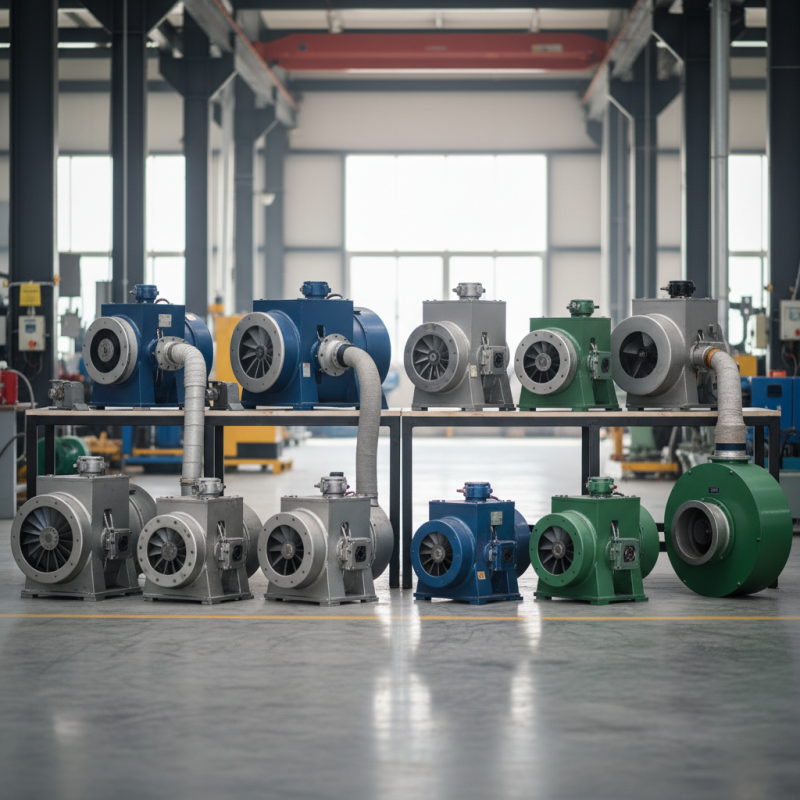
Overview of Centrifugal Fans and Their Applications
Centrifugal fans are essential devices widely used in various industries. They operate by converting rotational energy into airflow. This mechanism creates a high volume of air movement, making them ideal for ventilation, cooling, and exhaust applications. You can find them in HVAC systems, industrial processes, and even residential settings.
These fans vary in size and design, catering to specific operational needs. Some may feature backward-curved blades while others might have straight blades, each serving different airflow requirements. This diversity in design can lead to inefficiencies if not matched correctly with their application. For instance, an oversized fan can create excessive noise and energy costs. Users should assess their environment's specific needs before making a selection.
While centrifugal fans are reliable, challenges exist. Regular maintenance is crucial to ensure optimal performance. Neglected fans might suffer from reduced airflow or increased energy consumption. Users should regularly inspect fans for dirt accumulation and wear, which can affect efficiency. It’s important to strike a balance between performance and energy use to achieve long-term cost-effectiveness.
Key Factors to Consider When Selecting a Centrifugal Fan Blower
When selecting a centrifugal fan blower, several factors come into play. First, airflow requirements are crucial. Calculate the desired airflow in cubic feet per minute (CFM). This measurement determines the blower size and efficiency. If the airflow is insufficient, system performance will suffer.
Another aspect to consider is the static pressure. The blower must overcome resistance in the system, such as ductwork or filters. Knowing the system’s static pressure helps in selecting a suitable blower that will function effectively. Also, material and build quality are critical, especially in harsh environments.
Energy efficiency stands out, particularly in energy-conscious settings. An inefficient blower can lead to high operational costs. Look for models with good ratings but remember that initial cost isn't everything. Ongoing maintenance and reliability are often overlooked. A cheaper fan may require frequent repairs, negating savings. Thus, weighing upfront costs against long-term performance is essential.
Top 10 Centrifugal Fan Blower Options for Various Needs
Centrifugal fans play a vital role in various industries. They cater to diverse needs such as ventilation, cooling, and material handling. The global centrifugal fan market is predicted to grow by 5.2% annually, reaching over $6 billion by 2027. This underscores their importance in maintaining air quality and efficient operations.
Selecting the right centrifugal fan requires understanding specific requirements. For example, airflow volume and pressure are key factors. Industries such as HVAC and manufacturing demand different specifications. According to a recent study, 55% of users prioritize energy efficiency, impacting their choice of fan. Additionally, installation space can create constraints. Some fans are compact, while others are larger and require more installation area.
Many buyers overlook the importance of noise levels. In a bustling factory, excessive noise can lead to discomfort and reduced productivity. Noise levels vary significantly among models and ratings typically indicate their performance in dBA. Industry experts suggest considering noise as a critical factor in selection. In some cases, silent operation models may be more beneficial than powerful options. As the market evolves, awareness of these nuances continues to grow.
Top 10 Centrifugal Fan Blower Options for Global Buyers
| Model | Airflow (CFM) | Static Pressure (in. wg) | Power Consumption (HP) | Efficiency (%) | Noise Level (dBA) |
| Model A | 3000 | 4.5 | 5 | 85 | 70 |
| Model B | 2500 | 3.8 | 4 | 80 | 68 |
| Model C | 4000 | 5.0 | 6 | 90 | 72 |
| Model D | 3500 | 4.0 | 5.5 | 87 | 75 |
| Model E | 2800 | 3.5 | 3.5 | 78 | 64 |
| Model F | 3300 | 4.2 | 5.0 | 83 | 71 |
| Model G | 3600 | 4.8 | 6.0 | 88 | 73 |
| Model H | 3900 | 5.3 | 6.5 | 92 | 76 |
| Model I | 3100 | 4.1 | 4.8 | 81 | 69 |
| Model J | 4200 | 5.6 | 7.0 | 95 | 74 |
Comparative Analysis of Leading Centrifugal Fan Brands
When exploring centrifugal fan options, a comparative analysis of brands reveals significant differences. Each manufacturer has unique strengths and weaknesses, affecting efficiency and application suitability. Some fans excel in high-pressure situations, while others prioritize energy efficiency. Distinguishing these features is crucial for buyers.
The materials used in construction can influence durability and performance. Some brands focus on lightweight materials, enhancing ease of installation, while others may prioritize sturdier options, which could lead to a longer lifespan. However, cost is also a factor. Cheaper materials often raise concerns regarding reliability over time. Buyers must weigh initial savings against potential maintenance costs.
Performance ratings often vary between brands and models. This creates a need for diligent research to match specific requirements. Not all fans produce the same noise levels, which can be critical in residential applications. Additionally, adaptors and accessories may not fit universally, complicating installation. A thorough understanding of these aspects can prevent costly mistakes in the selection process. Each choice must align closely with intended use, balancing performance and budget.
Maintenance and Efficiency Tips for Centrifugal Fan Blowers
Centrifugal fan blowers play a vital role in industrial applications. Their efficiency is often tied to proper maintenance practices. Regular inspections can lead to significant energy savings. Data suggests that well-maintained fans can operate 10-15% more efficiently. Reducing energy consumption not only lowers costs but also minimizes environmental impact.
Proper lubrication is critical for optimal performance. Bearings should be greased according to manufacturer recommendations. Neglecting this can reduce bearing life by up to 50%. Also, clean the fan blades regularly. Dust and debris buildup can drastically affect airflow. It’s advised to check for vibrations and noise; these can indicate underlying issues that require immediate attention.
Monitoring the operating environment is essential. Extreme temperatures can affect performance, leading to unexpected breakdowns. Understanding these conditions helps ensure longevity. Regularly reviewing performance data allows for timely adjustments. Efficient fans lead to lower operational costs, demonstrating the value of proactive maintenance.
Top 10 Centrifugal Fan Blower Efficiency Ratings
This chart illustrates the efficiency ratings of the top 10 centrifugal fan blowers based on airflow (CFM) and power consumption (HP). Each blower's efficiency is represented in terms of CFM per HP, showcasing how effectively these blowers perform.