
Top 10 Renewable Energy Sources You Should Know About?
The world is increasingly turning to renewable energy sources to combat climate change and drive sustainable development. In 2022, about 29% of global energy consumption came from renewable sources, according to the International Energy Agency (IEA). This percentage is expected to rise sharply in the coming years. The need for clean energy solutions has never been more pressing.
Wind, solar, and hydroelectric power are among the key players in the renewable energy landscape. For instance, solar energy capacity grew by nearly 25% last year alone, showcasing its rapid adoption. However, despite progress, challenges remain. Energy storage and grid integration are critical issues that need addressing.
Transitioning to renewable energy sources can be complex. Economic, regulatory, and technological hurdles can slow down the transition. Moreover, some argue that reliance on certain renewable technologies can have unintended environmental impacts. As we explore the top ten renewable energy sources, it is crucial to consider not only their benefits but also their challenges and the road ahead.
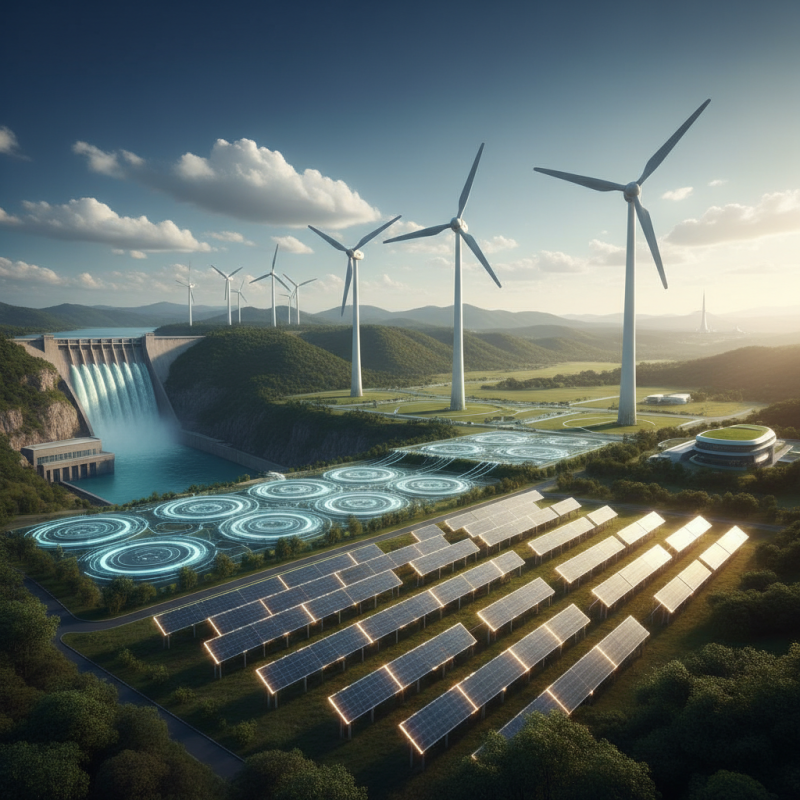
Overview of Renewable Energy Sources
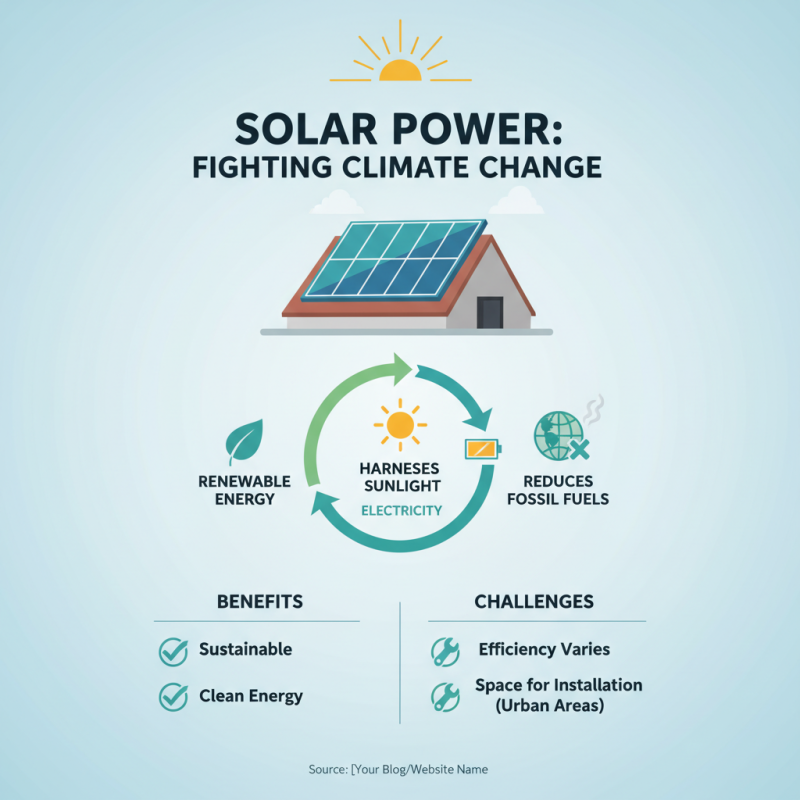
Renewable energy sources play a crucial role in combating climate change. They offer sustainable alternatives to fossil fuels. Solar energy harnesses sunlight. Solar panels convert light into electricity. This technology has advanced, but efficiency still varies. It requires space for installation, which can be a challenge in urban areas.
Wind energy harnesses the power of air currents. Wind turbines generate electricity, but they can be noisy and impact local wildlife. Hydropower relies on flowing water to produce energy. However, large dams can disrupt ecosystems and displace communities. Biomass energy is derived from organic materials. It’s considered renewable, but some practices can lead to deforestation.
Geothermal energy taps into the Earth’s heat. This method is reliable, but it's location-dependent. Not all regions have accessible geothermal resources. Tidal energy uses ocean tides for power generation. This technology is still emerging and faces technical challenges. Understanding these renewable sources is essential for a sustainable future. Each has benefits and drawbacks that require careful consideration.
Solar Energy: Harnessing Power from the Sun
Solar energy is a powerful resource. It harnesses sunlight to generate electricity and heat. According to a report by the International Energy Agency (IEA), solar energy could supply over 30% of the world's energy needs by 2030. This potential offers a significant opportunity for sustainable development. However, the technology is not without challenges.
Current solar panels have an average efficiency of around 15% to 20%. This means a lot of sunlight goes unused. In regions with limited sunlight, energy production can be inconsistent. Additionally, the lifespan of solar panels is about 25 years. This raises questions about waste management and recycling. Some panels may end up in landfills, which is not ideal.
Economic factors also play a role. While the cost of solar technology has fallen dramatically—down by over 80% since 2010—initial installation can still be high. Access to financing often limits adoption. Many households still rely on traditional energy sources. This highlights the need for better policies and incentives. Changing public perception and addressing these barriers is essential for wider solar adoption.
Top 10 Renewable Energy Sources You Should Know About
| Rank | Energy Source | Description | Advantages | Current Usage (%) |
|---|---|---|---|---|
| 1 | Solar Energy | Harnessing sunlight using photovoltaic cells and solar thermal systems. | Abundant, sustainable, reduces electricity bills. | 3.5% |
| 2 | Wind Energy | Generated by converting wind currents into electricity using turbines. | Clean, sustainable, cost-effective in suitable locations. | 7.3% |
| 3 | Hydropower | Energy generated from flowing or falling water. | Reliable, capable of power generation on demand, long lifespan. | 16.2% |
| 4 | Biomass | Organic materials (wood, waste) converted into energy. | Reduces waste, can be carbon neutral. | 5.5% |
| 5 | Geothermal Energy | Using heat from the Earth's interior for energy generation. | Low emissions, small land footprint. | 0.4% |
| 6 | Tidal Energy | Energy generated from tidal movements. | Predictable energy source, minimal environmental impact. | <1% |
| 7 | Wave Energy | Generated from surface waves of oceans and seas. | Sustainable, abundant along coastlines. | <1% |
| 8 | Hydrogen | Fuel derived from various sources that emits only water when used. | High efficiency, abundant resource potential. | <1% |
| 9 | Nuclear Fusion | Fusion of hydrogen isotopes to produce energy without greenhouse gases. | Abundant fuel supply, minimal waste emissions. | <1% |
| 10 | Waste-to-Energy | Energy produced from the combustion of waste materials. | Reduces landfill waste, generates electricity. | 2.6% |
Wind Energy: Capturing the Force of Nature
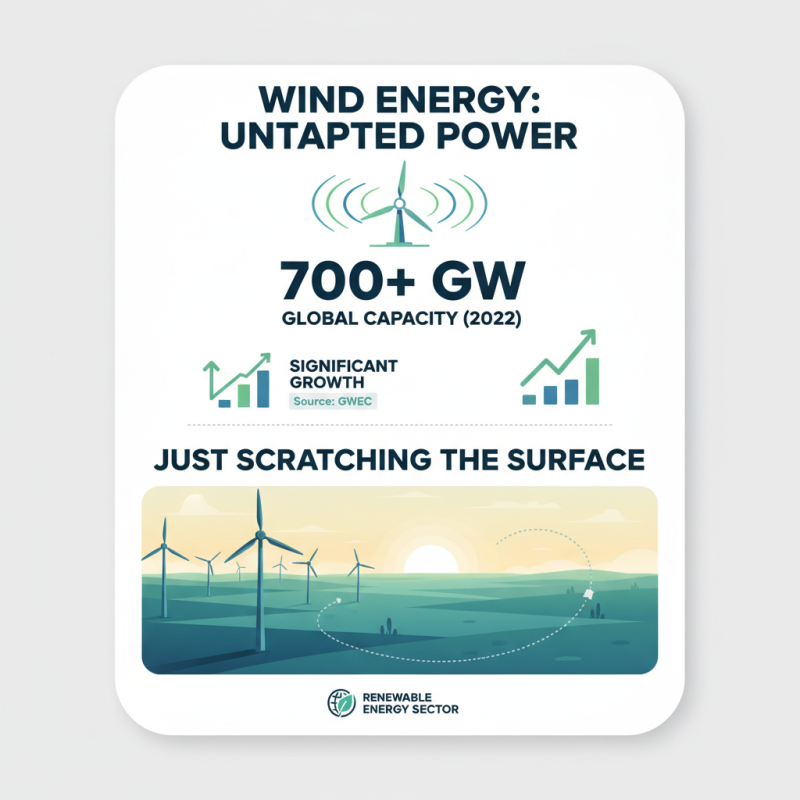
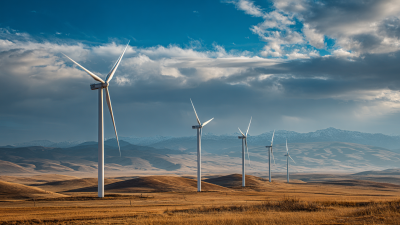
Wind energy is a powerful and growing sector in renewable sources. It harnesses the kinetic energy from wind and converts it into electricity. According to the Global Wind Energy Council, global wind power capacity reached over 700 GW by the end of 2022. This figure shows significant growth, yet we are just scratching the surface of its potential.
In many regions, wind energy is one of the cheapest forms of new electricity. The Levelized Cost of Energy for onshore wind fell to about $30 per megawatt-hour in 2021. However, challenges remain. The efficiency of wind turbines depends heavily on location and local wind patterns. Not every area has sufficient wind resources to support large-scale projects.
Maintenance and environmental concerns also need addressing. Turbines can impact wildlife, especially birds and bats. Additionally, the infrastructure required for wind farms can be intrusive to natural landscapes. Balancing energy needs with environmental preservation is critical. Wind energy offers great promise, but it is not without its flaws.
Hydropower: Energy from Flowing Water
Hydropower harnesses the energy of flowing water. It’s a renewable source that generates electricity efficiently. Rivers, streams, and even waterfalls can contribute. But the impact on local ecosystems is worth discussing. Dams can disrupt fish migration and habitats. These consequences need careful planning.
Water flow variability affects output. In drought conditions, energy production may decline sharply. Communities rely heavily on consistent power. If water levels drop, people face challenges. This dependence raises questions about the balance between energy needs and environmental health.
Investing in modern technologies can help mitigate these effects. Fish ladders and other solutions assist migration. Yet, not all solutions work perfectly. Ongoing research is necessary. Finding harmony between energy production and nature preservation remains a challenge. Addressing risks is crucial as we explore hydropower further.
Geothermal Energy: Tapping into Earth's Heat
Geothermal energy is a fascinating renewable resource. It harnesses the Earth's internal heat. This energy comes from the planet's core, where temperatures can reach up to 7,000 degrees Fahrenheit. Steam and hot water from underground reservoirs are used to generate electricity. However, extracting this energy is not without challenges.
The process can cause environmental concerns. Drilling into the Earth may lead to land subsidence. Furthermore, there’s a risk of inducing earthquakes. Local ecosystems might also be affected, raising questions about sustainability. Optimal sites for geothermal plants are often limited. This can make widespread adoption harder than anticipated.
Nevertheless, geothermal energy has significant potential. It offers a constant energy supply, unlike solar or wind. Regions near tectonic plate boundaries are ideal for harnessing this power. Awareness and education about this source are crucial. The shift to greener energy needs innovative thinking and reflection on the consequences of our choices.
Related Posts
-
7 Incredible Benefits of Solar Power System You Must Know
-
10 Surprising Facts About Renewable Energy Sources You Did Not Know
-
10 Ways Renewable Energy Transforms Our Future
-
How to Choose the Best Home Solar Power System for Your Energy Needs
-

Unveiling the Best Solar Hybrid Specs and How to Maximize Its Performance
-
Chinese Excellence in Wind Turbine Manufacturing: Powering a Sustainable Future Worldwide