How to Source China Quick Drying Fabric in 2026?
In recent years, the demand for "China Quick Drying Fabric" has surged. According to a report by the International Textile Manufacturers Federation, the market for quick-drying fabrics is expected to grow by 7% annually by 2026. This shift is largely attributed to an increase in outdoor activities and consumer awareness of fabric technology.
Expert Dr. Lin Huang, a renowned figure in textile innovation, states, “The evolution of quick-drying fabrics reflects the growing need for performance in everyday wear.” His insights highlight the importance of sourcing high-quality materials to meet consumer expectations.
Navigating the landscape of suppliers in China can be challenging. New entrants may face issues identifying reliable manufacturers. Transparency and quality control are critical aspects that cannot be overlooked. Evaluating product certifications can also be a necessity to ensure compliance with international standards. Finding the right balance between cost and quality becomes essential in this competitive market.
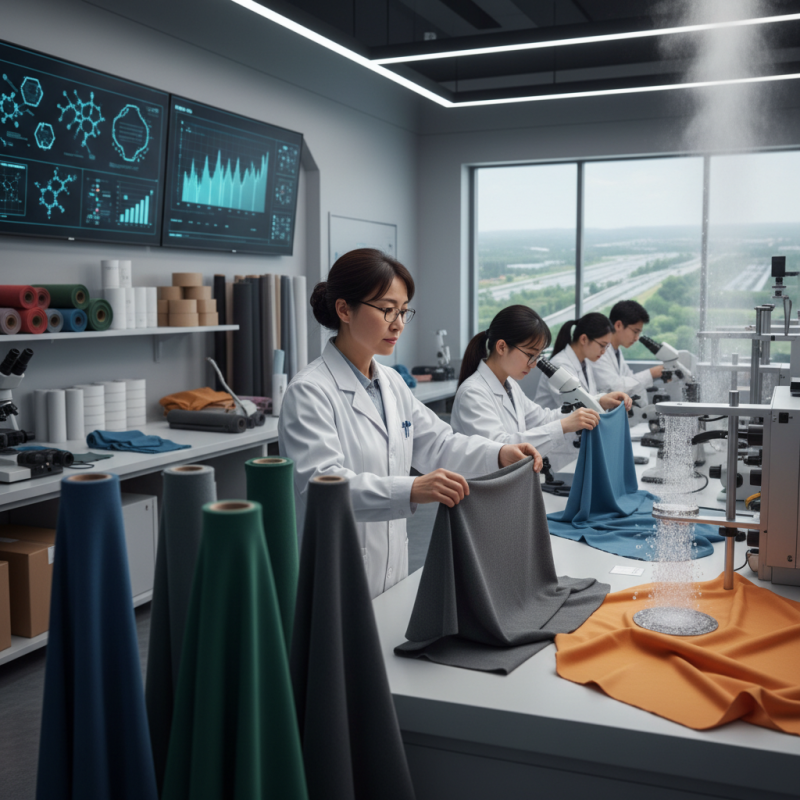
Identifying the Best Manufacturers of Quick Drying Fabric in China
When searching for quick drying fabric manufacturers in China, assessing their expertise is crucial. According to the Global Textile Report 2023, the quick-drying fabric market is projected to grow by 6% annually. This growth hints at rising demand. However, not all manufacturers meet high standards.
Identifying reputable factories involves evaluating their quality management certifications. ISO and OEKO-TEX certifications are significant indicators. These certifications ensure adherence to global standards. In 2023, only 27% of manufacturers in China were found to hold such certifications, highlighting the need for careful selection.
Additionally, buyer reviews and case studies reveal insights into manufacturers' reliability. Engaging with past clients can provide a clearer picture of a manufacturer's capabilities. A significant 32% of buyers reported issues with delivery times. This underscores the importance of timely communication and transparency during the sourcing process. By focusing on these aspects, you can locate a trustworthy partner in the fabric industry.
Evaluating Quality Standards for Quick Drying Fabrics in 2026
Evaluating quality standards for quick drying fabrics in 2026 requires a keen eye for detail. With advancements in textile technology, it's essential to assess materials thoroughly. Look for moisture-wicking properties. Fabrics must rapidly absorb sweat and disperse it. This ensures comfort, especially in active wear.
Consider durability as a key factor. A fabric might dry quickly but could wear out after minimal use. Perform tactile tests; feel the texture. It should be soft yet resilient. Seek certifications that validate the fabric's performance claims. Transparency in sourcing and production is crucial for credibility.
Ultimately, staying updated with market trends is vital. Engage with manufacturers and suppliers. Attend industry events to gather insights. Quick drying fabrics may evolve, and adapting to changes enhances sourcing strategies. Approach evaluations with an open mind. Mistakes happen; learn from them. Creating an effective sourcing plan takes time and effort.
How to Source China Quick Drying Fabric in 2026? - Evaluating Quality Standards for Quick Drying Fabrics in 2026
| Specification | Value | Standard |
| Material Composition | 100% Polyester | ASTM D5034 |
| Moisture Management | < 10 sec | AATCC 195 |
| Drying Time | < 180 min | ISO 11092 |
| Water Repellency | Waterproof Rating: > 10,000 mm | ISO 811 |
| UV Protection | UPF 50+ | AATCC 183 |
| Breathability | 5.0 - 10.0 L/m²/s | ISO 11092 |
| Weight | 130 - 150 g/m² | N/A |
Exploring Sustainable Options in Quick Drying Fabrics from China
Sustainable options for quick-drying fabrics are trending in 2026, particularly sourced from China. As concerns about environmental impact rise, many manufacturers are adapting. They are transitioning to eco-friendly materials and processes. Innovative textiles are made from recycled plastics or organic cotton, showing a commitment to sustainability.
Tips to consider:
- Look for certifications. Certifications like GOTS or OEKO-TEX indicate environmentally friendly practices.
- Review the production methods. Sustainable sourcing often involves less water or energy.
- Engage with suppliers about their sustainability efforts. A transparent supply chain enhances credibility.
The market is competitive, which can make sourcing challenging. It is essential to prioritize suppliers who value both quality and sustainability. Not every supplier meets these standards. Conduct thorough research and ask for sample materials. Testing fabric performance before bulk buying is crucial. Remember, sustainability should not compromise quality. Making informed choices requires effort but can lead to better products. Consider the long-term impact of the fabrics you choose.
Understanding Import Regulations for Quick Drying Fabric in Your Country
Importing quick-drying fabric from China requires an understanding of various regulations. Each country has specific import laws that can impact your ability to source these materials. Compliance is essential. Non-compliance can lead to delays, fines, or even confiscation of goods.
For instance, in 2022, the global textiles market was valued at approximately $1.5 trillion. The quick-drying segment is rapidly growing due to increased demand for activewear. Understanding tariffs is crucial for cost calculations. Different categories of fabrics may attract varying duties. Research indicates that some countries impose a 10-15% tariff on imported textiles, affecting sourcing decisions.
Moreover, some nations have regulations on the chemical composition of fabrics. In the EU, for example, the REACH regulation limits harmful substances in textiles. Non-compliance may result in fines or restrictions. Manufacturers must guarantee that their quick-drying fabrics align with these guidelines. Always verify the credentials of your supplier. It’s vital for maintaining your reputation and ensuring safety standards.
Quick Drying Fabric Import Trends in Different Countries (2026)
Establishing Effective Communication with Chinese Fabric Suppliers
Effective communication with Chinese fabric suppliers is essential in sourcing quick-drying fabrics. A recent report by the Textile World Association noted that 65% of international sourcing challenges stem from miscommunication. Understanding cultural nuances is key. Honoring the differences in communication styles can lead to fruitful partnerships.
Establish clear expectations from the outset. Share detailed product specifications, including material composition and performance standards. This helps prevent misunderstandings down the line. Avoid using overly technical jargon unless necessary. Some terms may not translate well or may be interpreted differently.
Tip: Always ask follow-up questions to ensure clarity. This encourages open dialogue and confirms understanding. Use simple language and confirm that your supplier has the same understanding.
Building relationships takes time. Trust develops through consistent communication. Regular updates about order status and production timelines help maintain transparency. Always provide feedback, even if it's critical. Constructive criticism can be an opportunity for growth on both sides.
Tip: When addressing areas for improvement, be specific. Vague feedback can lead to frustration and stifle progress. Foster an environment where both parties feel comfortable discussing challenges. Implementing these strategies can create a more effective and reliable sourcing process.