What is a Plaster Saw and How to Choose the Best One?
Choosing the right tools is essential for any DIY project. One tool that stands out is the Plaster Saw. A plaster saw is designed specifically for cutting through plaster and drywall. It’s unique, efficient, and extremely useful. However, many people overlook its importance.
Plaster saws come in various sizes and designs. Some are manual, while others are powered. Selecting the best plaster saw can be tricky. Not all models are suitable for every job. You may find that some saws don’t cut smoothly. Others can easily damage the surrounding material.
When considering a plaster saw, think about your specific needs. What type of projects do you frequently tackle? Are you working on large renovations or small repairs? Take time to evaluate different options. Investing in the wrong tool can lead to frustration. A well-chosen plaster saw can save you both time and effort.
What is a Plaster Saw?
A plaster saw is a specialized tool used primarily in drywall and plaster work. It features a serrated blade designed to cut through plaster and drywall effortlessly. The saw’s blade can vary in length, but it typically ranges from 10 to 12 inches. This length provides the user with a good balance between control and cutting capacity. The grip is often ergonomic, making it easier to handle during extended use.
When choosing a plaster saw, consider the type of projects you undertake. A lightweight saw may be preferable for small repairs, while a heavier option might be better for larger jobs. The blade material is also crucial; a high-carbon steel blade will often offer better durability. Remember to assess the handle’s comfort. Cutting through thick plaster can be demanding. An uncomfortable grip can lead to mistakes or even injury.
You might find yourself in situations where the saw doesn’t work as expected. A dull blade leads to frustration. This is where maintaining your tools becomes vital. It’s important to sharpen or replace the blade regularly. Reflect on this: overlooking tool care can be costly. You might have to redo work simply because you chose convenience over quality.
Key Features of a Quality Plaster Saw
When selecting a quality plaster saw, consider key features that enhance usability. Blade material is crucial. A durable, rust-resistant blade ensures longevity and efficient cutting. Look for blades made from high-quality steel or alloy. They handle tough materials better and retain their sharpness longer. A well-designed handle is equally important. It should fit comfortably in your hand, offering a good grip to reduce fatigue during use.
The size of the saw matters too. A longer blade allows for more extended cuts, while a shorter one is better for precision work. Choose a blade length that matches your common tasks. You may also want to think about the weight of the saw. A lightweight option can make work easier, though too light might compromise strength. Test it if possible; how it feels in your hands informs its overall effectiveness.
Don't overlook safety features. A protective guard can prevent accidental injuries while using the saw. Additionally, consider the saw’s versatility. Some models can cut not only plaster but also other materials. Yet, remember that a more complex tool might take longer to learn. It's essential to assess both your skill level and project requirements before making a choice.
Key Features of a Quality Plaster Saw
Types of Plaster Saws and Their Uses
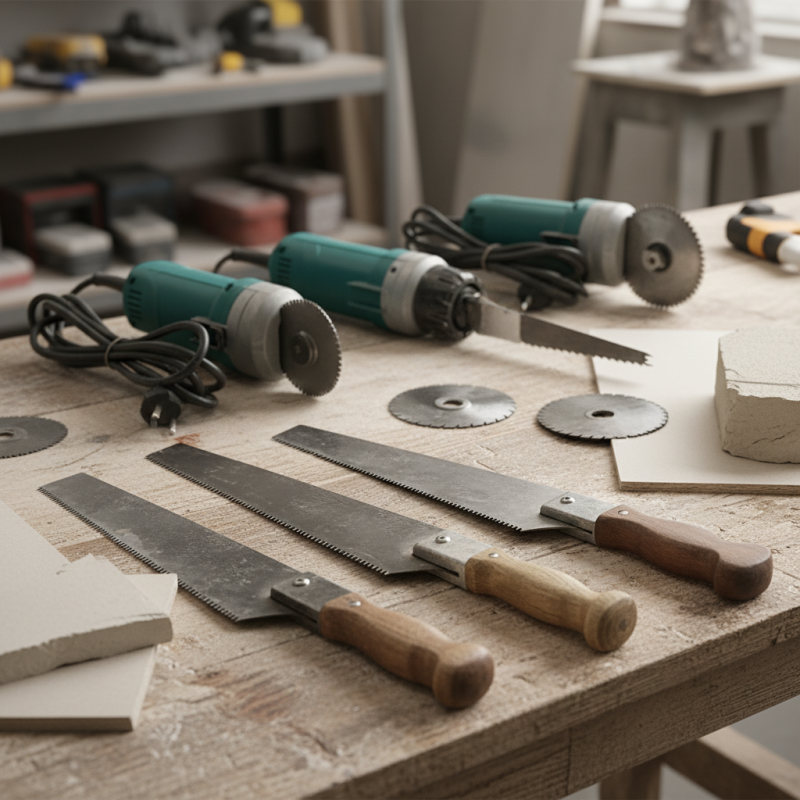
When it comes to choosing the right plaster saw, understanding the types available is essential. There are several categories of plaster saws, each designed for specific tasks. A traditional hand saw is versatile. It's effective for making straight cuts in plaster and drywall. These saws usually feature a serrated edge. They offer good control for intricate work.
For those who require more efficiency, a reciprocating saw may be ideal. This electric tool is excellent for larger projects. It can cut through plaster and lath quickly. According to industry reports, using a reciprocating saw can reduce cutting time by up to 40%. However, it may require a steady hand to avoid damaging surrounding materials.
Then, there are rotary tools. These are useful for detailed work, such as making circular cuts. They often come with various attachments. While they provide flexibility, they can be more challenging to master. Poor technique may lead to uneven edges. As with any tool, practice is essential to achieve proficiency and precise results.
Factors to Consider When Choosing a Plaster Saw
When choosing a plaster saw, several key factors should be considered. The blade type is crucial. Different types can handle various materials. A serrated blade may cut through plaster easily, while a straight edge offers precision. Your tasks may vary, so think about your projects. A sharp blade can make a significant difference in performance.
Ergonomics matters just as much. A comfortable handle reduces fatigue during long uses. Look for grips that provide good control. If the saw slips, safety is compromised. Additionally, consider the saw's weight. A heavy tool can be harder to manage, especially overhead. Lighter options offer more maneuverability and less strain.
Durability is another aspect to reflect upon. A well-constructed saw can endure more wear and tear. Check if the materials used are robust. However, sometimes a cheaper option might suffice for lighter tasks. Assess your needs carefully. Warranty and customer support can also signal quality. Not everything is perfect, and some may require tweaking to achieve desired results.
What is a Plaster Saw and How to Choose the Best One? - Factors to Consider When Choosing a Plaster Saw
| Feature | Description | Importance |
| Blade Material | Typically made from high-carbon steel for durability and longevity. | High importance for effective cutting and overall lifespan. |
| Blade Length | Varies from 12 to 24 inches, depending on application needs. | Moderate importance; longer blades can cut wider areas quickly. |
| Weight | Lightweight options are available to reduce user fatigue. | High importance for ease of use during prolonged tasks. |
| Handle Design | Ergonomically designed handles provide better grip and comfort. | Very high importance to prevent slippage and improve control. |
| Price Range | Typically ranges from $10 to $50 based on features. | Moderate importance, seek a balance between cost and quality. |
| Safety Features | Some models include safety guards or dulling edges for protection. | High importance to minimize risks during use. |
Maintenance Tips for Prolonging Plaster Saw Lifespan
When investing in a plaster saw, maintenance is key. Regular upkeep extends the lifespan of your tool and ensures optimal performance. According to industry reports, neglected tools can lead to a 30% decrease in efficiency over time. Here are some tips.
Keep the saw clean. After each use, remove dust and debris. Use a soft brush to reach tight spots. A clean saw operates better. Regular cleaning prevents buildup that can affect cutting precision.
Check the blade frequently. Dull blades can lead to uneven cuts. Replace them when needed. The right blade makes a huge difference. An average plaster saw lasts about five years with proper care. Yet, many users overlook basic maintenance. Remember to store the tool in a dry area. Moisture can cause rust, leading to costly replacements.
Finally, use your plaster saw regularly. Tools that sit unused can deteriorate faster. Each cut strengthens your familiarity with the tool. Embrace the learning curve. Even small adjustments in maintenance can yield significant results.