What is a Photovoltaic Module and How Does It Work?
The demand for renewable energy continues to grow, and the Photovoltaic Module is at the forefront of this shift. According to the International Energy Agency, solar power could supply up to 30% of global electricity by 2030. This significant potential highlights the importance of understanding how photovoltaic modules operate.
Dr. Emily Chen, an expert in solar energy systems, noted, "Photovoltaic modules transform sunlight into electricity with remarkable efficiency." These modules consist of solar cells that convert photons from sunlight into electrical energy. They are critical in harnessing solar energy effectively and sustainably.
Yet, challenges remain in the industry. Concerns about the efficiency, lifespan, and environmental impact of photovoltaic modules persist. As we explore the workings of these innovative devices, it’s essential to reflect on their role in addressing energy needs and the environmental implications tied to solar technology advancements.
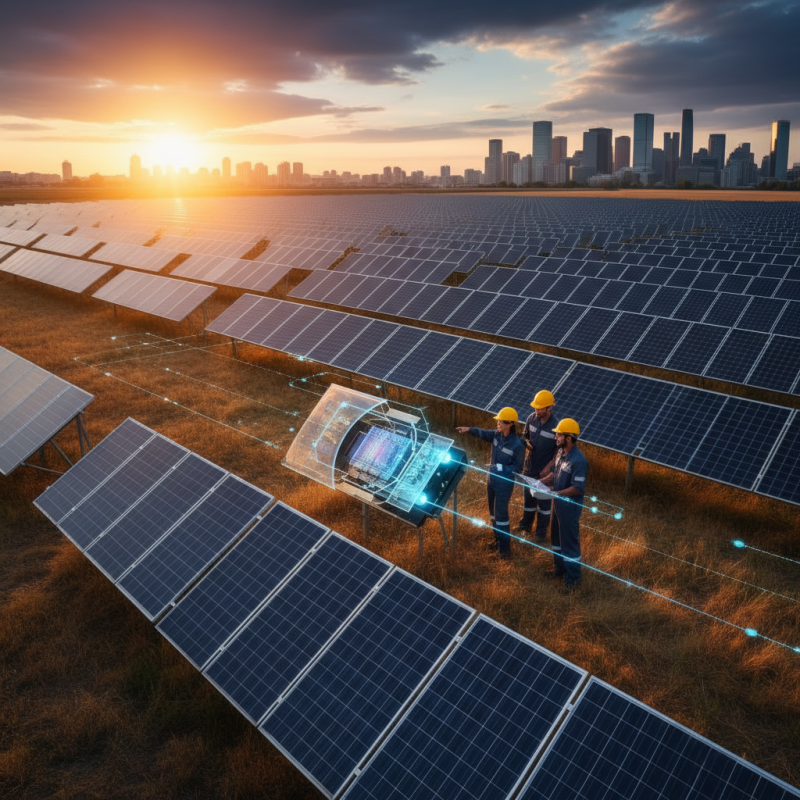
What is a Photovoltaic Module? Definition and Components Overview
Photovoltaic modules, often called solar panels, convert sunlight into electricity. These modules are made of several key components. The most important parts are solar cells, protective glass, and a backing material. The solar cells absorb sunlight and generate direct current (DC) electricity.
Using high-quality materials is essential for efficiency. Furthermore, cleanliness matters. Dust and debris can impede performance, so regular cleaning is necessary. Keeping modules free from shading is also crucial. Even a small shadow can reduce energy output significantly.
Tips: Check for wear and tear on your photovoltaic modules. Cracks or discoloration can indicate deeper issues. Schedule regular maintenance to ensure optimal performance. Remember, investing time in upkeep can lead to long-term savings on energy bills.
The Science Behind Photovoltaics: How Solar Energy is Converted to Electricity
Photovoltaics are fascinating. They convert sunlight into electricity using special materials. These materials, usually silicon, have properties that allow them to absorb sunlight effectively. When sunlight hits the photovoltaics, it knocks electrons loose from their atoms. This process creates an electric current, which can then be harnessed for power.
The efficiency of this conversion can vary. Factors such as temperature and angle of sunlight impact performance. Sometimes, cloudy days reduce the efficiency of the system. However, even on overcast days, photovoltaics can generate electricity. This adaptability is a notable strength of solar energy technologies but also raises questions about energy reliability.
Maintaining a photovoltaic system is crucial for performance. Dust and debris can hinder efficiency. Regular cleaning and proper orientation enhance energy collection. Yet, many users overlook these upkeep needs. They might expect optimal power generation without realizing the importance of maintenance. Understanding these nuances is vital for maximizing the benefits of solar technology.
Electricity Generation from Photovoltaic Modules (2023)
This bar chart illustrates the estimated monthly electricity generation (in kWh) from photovoltaic (PV) modules throughout the year 2023. As indicated, the electricity generation peaks during the summer months, demonstrating the effectiveness of solar energy in favorable conditions.
Key Performance Metrics: Efficiency Ratings and Average Lifespan of Modules
Photovoltaic modules are essential in harnessing solar energy. They convert sunlight into electricity. Understanding their performance metrics helps in making informed choices. Efficiency is a crucial aspect. It measures how much sunlight a module can convert into usable energy. Higher efficiency ratings mean more power generation.
A typical photovoltaic module has an efficiency ranging from 15% to 22%. This means that around 15% to 22% of sunlight is transformed into electricity. Lifespan is another vital metric. Most modules operate effectively for 25 years or more. However, their performance gradually decreases over time. Some lose about 0.5% efficiency each year.
Not all modules are created equal. Factors such as temperature and shading can impact efficiency. It's not uncommon to see variations in performance under different conditions. This inconsistency invites reflection on the importance of choosing the right installation site. Evaluating a module’s rated lifespan against its real-life performance is essential. It reveals insights into reliability and long-term benefits.
Types of Photovoltaic Technologies: From Monocrystalline to Thin-Film Solutions
Photovoltaic technologies are critical in harnessing solar energy. The three main types are monocrystalline, polycrystalline, and thin-film. Each offers unique advantages and challenges.
Monocrystalline panels are made from single-crystal silicon. They are known for high efficiency, often exceeding 20%. This type performs well in limited space but comes with a higher price tag.
Polycrystalline panels, on the other hand, are less efficient, typically around 15-17%, but they are more affordable and easier to manufacture. This trade-off makes them suitable for large installations where space is not a constraint.
Thin-film solutions are lightweight and flexible, which allows for various applications. Their efficiency spans from 10% to 12%. However, they require more space for the same output as crystalline panels. The lower efficiency can sometimes make them a less appealing choice for residential use.
Tips: Always consider your local conditions. Monocrystalline might excel in urban areas with limited roof space. Thin-film can be a boon in unique applications, like building-integrated photovoltaics. Assess your needs and choose wisely. Embrace the technology that suits your lifestyle and space.
Installation and Maintenance Considerations for Photovoltaic Modules
When installing photovoltaic (PV) modules, location is critical. A south-facing roof typically provides ideal exposure to sunlight. According to the National Renewable Energy Laboratory, proper orientation can increase energy production by up to 40%. However, installation on roofs with heavy shading or at incorrect angles can reduce efficiency. Even slight obstructions, like trees or nearby buildings, can impact performance significantly.
Maintenance is another key aspect. Regular inspections can prevent module degradation. Dust, debris, and bird droppings can accumulate on the surface, reducing solar absorption. Studies suggest that cleaning can boost energy yield by about 20%. Moreover, inverter performance should be monitored. If an inverter fails, the entire system can underperform. Yet, many users overlook this, thinking their system is trouble-free.
Finally, understanding the weather's impact is essential. PV modules are designed to endure harsh conditions, yet extreme weather can create vulnerabilities. Regular checks during storm seasons can help identify potential issues before they escalate. Many homeowners underestimate the frequency and depth of these checks, which can lead to unexpected costs. Climate variation can also change the maintenance frequency, especially in regions prone to dust.