2025 How to Optimize Industrial Power for Maximum Efficiency and Sustainability
In the ever-evolving landscape of modern industry, the pursuit of optimizing Industrial Power has emerged as a critical focus for organizations striving for both maximum efficiency and sustainability. According to a 2021 report by the International Energy Agency (IEA), industrial sectors account for approximately 36% of global energy consumption, highlighting the immense potential for energy savings through enhanced power management practices. The necessity to adopt innovative strategies for Industrial Power optimization is not merely a matter of cost reduction but also a vital step towards reducing carbon footprints and improving overall environmental outcomes.
As industries worldwide face increasing pressures to meet sustainability goals, a robust approach to managing energy consumption becomes paramount. The World Economic Forum reports that enhancing energy efficiency in the industrial sector could lead to a reduction of up to 2.2 gigatons of CO2 emissions annually by 2030. This transformative potential underscores the importance of integrating advanced technologies, such as smart grids and predictive analytics, into the Industrial Power infrastructure. By prioritizing efficiency in energy use, companies can not only contribute to global sustainability efforts but also position themselves competitively in a market that increasingly values eco-conscious practices. The path to optimizing Industrial Power lies at the intersection of innovation, responsibility, and strategic investment.

Identifying Key Areas for Industrial Power Optimization Strategies
To achieve maximum efficiency and sustainability in industrial power usage by 2025, it is crucial to identify key areas for optimization strategies. One primary area is the integration of advanced technologies such as IoT and AI. These technologies enable real-time monitoring and predictive analytics, allowing industries to manage energy consumption more effectively. By assessing energy usage patterns and detecting anomalies, organizations can implement corrective measures proactively, significantly reducing waste and enhancing overall efficiency.
Another critical focus should be on upgrading existing infrastructure. Investing in energy-efficient machinery and renewable energy sources not only lowers carbon footprints but also reduces operational costs in the long run. Furthermore, conducting regular audits can help identify inefficiencies in power distribution and utilization within the facility. Training employees on energy-saving practices further amplifies these efforts, fostering a culture of sustainability throughout the organization. Emphasizing these key areas will pave the way for industries to optimize their power usage while contributing to a more sustainable future.
Implementing Advanced Energy Management Systems for Efficiency
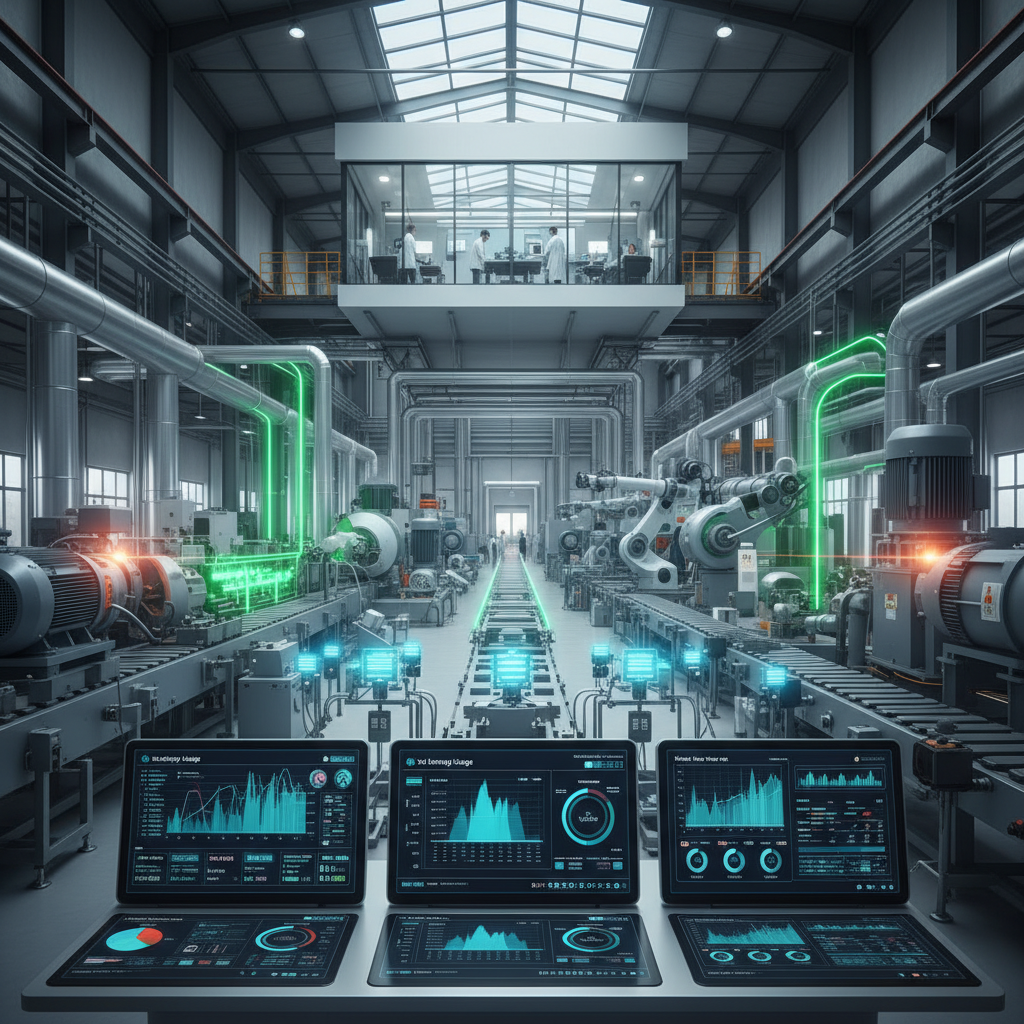
Implementing advanced energy management systems (AEMS) is crucial for
optimizing industrial power consumption, enhancing efficiency, and promoting sustainability. According to the
International Energy Agency (IEA), energy management practices could lead
to up to a 15% reduction in energy use in industrial sectors. By incorporating AEMS, industries can
monitor and control energy usage in real-time, allowing for more informed decision-making and process improvements.
For instance, integrating IoT sensors with AEMS can provide granular insights
into energy consumption patterns, helping identify inefficiencies that were previously undetected.
Furthermore, a report by the American Council for an Energy-Efficient Economy (ACEEE)
highlights that companies adopting AEMS not only achieve significant cost savings
but also contribute to a reduction in greenhouse gas emissions. For example,
manufacturers using these systems have reported energy savings of 5-30%,
which translates into millions of dollars in operational savings. Beyond financial benefits, enhancing energy management
fosters a culture of sustainability, where companies can actively reduce their carbon footprint while meeting compliance
standards and improving public perception. This dual focus on efficiency and
sustainability is essential for industries aiming for long-term viability
in an increasingly resource-conscious marketplace.
Utilizing Renewable Energy Sources to Enhance Sustainability
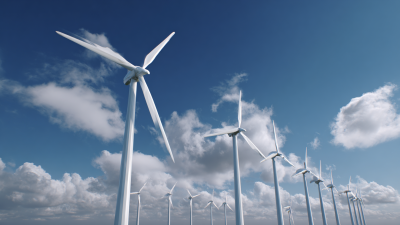
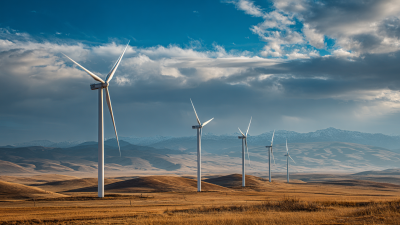
As industries increasingly focus on sustainability, the integration of renewable energy sources becomes pivotal in optimizing industrial power systems. In 2022, the International Energy Agency (IEA) reported that renewable energy accounted for nearly 30% of global electricity generation, highlighting a significant shift towards low-carbon alternatives. By harnessing solar, wind, and bioenergy, industries can reduce their reliance on fossil fuels, decrease greenhouse gas emissions, and enhance energy efficiency. For instance, a study by McKinsey indicates that transitioning to renewable energy can lower operational costs by up to 15%, making it an economically viable option for many organizations.
Moreover, the potential for renewable energy to stabilize costs is particularly relevant in the context of rising energy prices. According to the Global Wind Energy Council, investments in wind energy alone could increase by 50% by 2025, contributing to over 900 GW of installed capacity worldwide. Industries adopting these technologies can not only achieve substantial cost savings, but also bolster their brand reputation as environmentally responsible entities. By aligning with government initiatives promoting renewable energy, companies can position themselves as leaders in the move towards a sustainable economy, driving innovation and attracting eco-conscious consumers.
Integrating Smart Technologies for Real-Time Power Monitoring
As industries strive for maximum efficiency and sustainability, integrating smart technologies for real-time power monitoring has emerged as a pivotal strategy. According to a report by the International Energy Agency (IEA), implementing smart grids and advanced metering infrastructure can lead to a potential 20% reduction in energy consumption across industrial sectors. These technologies enable facilities to monitor energy use in real-time, allowing for immediate adjustments that reduce waste and enhance operational efficiency.
Moreover, the deployment of Internet of Things (IoT) devices and artificial intelligence (AI) in power management systems can significantly improve predictive maintenance. A study by McKinsey highlights that by employing AI-driven analytics, businesses can reduce equipment downtime by up to 50%, leading to substantial cost savings and increased productivity. As these technologies provide actionable insights, industries can better understand energy consumption patterns, optimize resource allocation, and contribute to their sustainability goals while simultaneously boosting their bottom line.
Developing Training Programs to Foster Energy-Conscious Work Cultures
Fostering an energy-conscious work culture is essential for optimizing industrial power efficiency and sustainability. According to the International Energy Agency (IEA), implementing effective training programs can lead to energy savings of 5-15% in industrial settings. These training initiatives not only heighten awareness among employees regarding energy consumption but also empower them to identify and rectify inefficiencies in their daily operations. By instilling a sense of responsibility toward energy use, organizations can enhance their operational performance while simultaneously reducing their carbon footprint.
Moreover, incorporating gamification and interactive learning modules into training programs has proven to increase engagement and retention of information. A report from McKinsey highlights that companies with strong training initiatives report 30% higher employee satisfaction, which correlates with improved productivity and energy efficiency. When employees feel that their contributions toward sustainability are recognized and valued, they are more likely to make energy-conscious decisions that benefit both the organization and the environment. The integration of these programs into the workplace not only marks a progressive step towards sustainable practices but also aligns with the growing regulatory demands for reduced energy usage in industry.
2025 How to Optimize Industrial Power for Maximum Efficiency and Sustainability
| Energy Use (kWh) |
Efficiency Rating (%) |
Training Program Participation (%) |
Sustainability Practices Implemented (%) |
Reduction in Carbon Footprint (tons) |
| 100,000 |
85 |
75 |
70 |
150 |
| 120,000 |
80 |
65 |
60 |
180 |
| 80,000 |
90 |
80 |
75 |
120 |
| 90,000 |
88 |
70 |
65 |
140 |