Why Are Alternative Energy Sources Important for Our Future?
In recent years, the urgency to address climate change has highlighted the need for Alternative Energy Sources. Traditional fossil fuels contribute to pollution and climate issues. As we look to the future, alternative sources can play a crucial role. Solar, wind, and hydro energy are gaining traction as sustainable options. These sources can significantly reduce carbon footprints.
Communities are beginning to adopt these technologies. Some areas have seen a shift in energy production. This transition brings both opportunities and challenges. Investment in renewable energy creates jobs but requires careful planning. The initial costs can be high, and infrastructure changes take time. However, the long-term benefits are substantial.
People are starting to recognize the importance of these sources. Global energy demand continues to rise. Without alternatives, dependency on fossil fuels could worsen environmental damage. A well-rounded approach to energy can lead to a cleaner future. The path isn't perfect, but it requires open discussions and innovative solutions. Embracing Alternative Energy Sources is essential for a sustainable tomorrow.
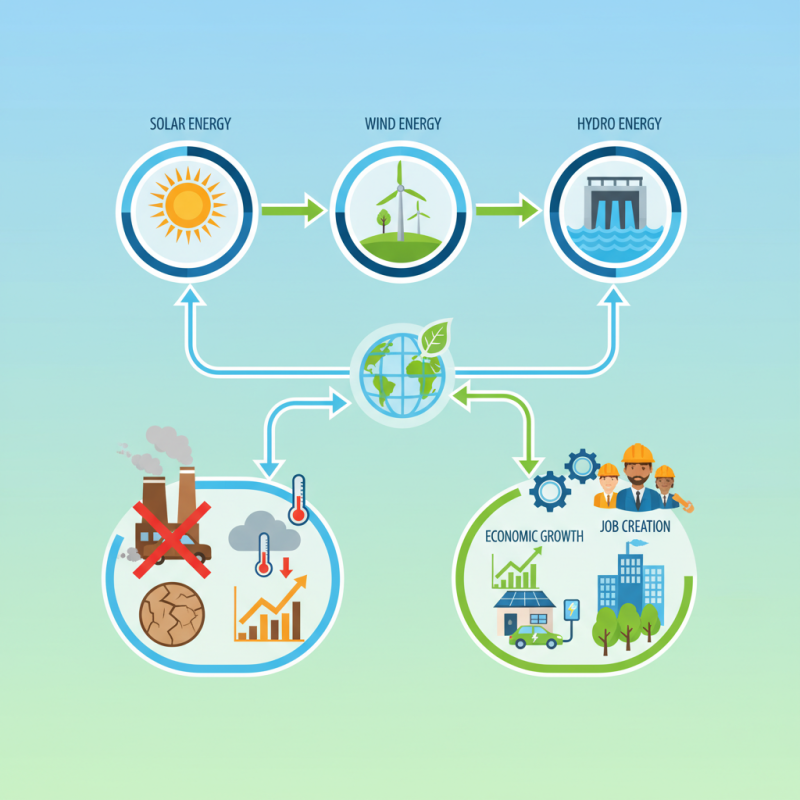
The Role of Alternative Energy in Mitigating Climate Change
Alternative energy sources have gained significant attention in recent years. They play a vital role in combating climate change. These energy sources include solar, wind, and hydroelectric power. They emit little to no greenhouse gases, unlike fossil fuels. This means they can help reduce the planet's warming. Transitioning to alternative energy is essential for future generations.
Tips: Consider energy-efficient appliances at home. Small changes can make a big impact. Even replacing light bulbs with LED ones can save energy.
Utilizing alternative energy can also create new jobs. As industries shift towards sustainable practices, opportunities will emerge. However, the transition is not without challenges. Infrastructure needs improvement to support these sources. Some regions lack resources or technologies to adopt alternatives effectively. Finding a balance between demand and sustainable practices remains a struggle.
Tips: Educate yourself and others about renewable resources. Share knowledge within your community. Awareness can lead to collective action.
Economic Benefits of Investing in Renewable Energy Technologies
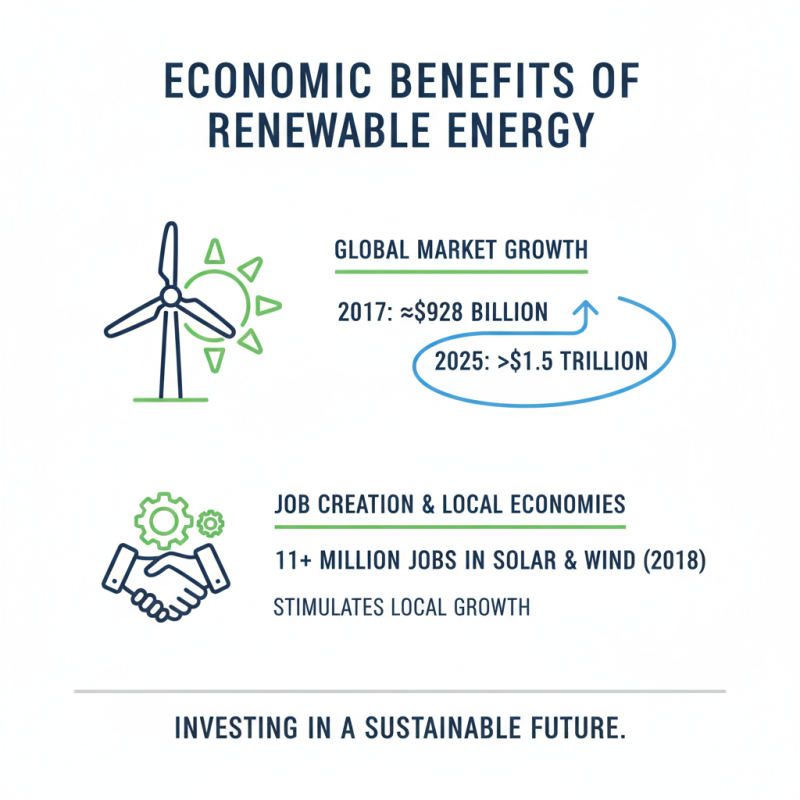
Investing in renewable energy technologies offers significant economic benefits. The global renewable energy market was valued at approximately $928 billion in 2017 and is projected to exceed $1.5 trillion by 2025. This rapid growth creates jobs and stimulates local economies. For instance, solar and wind sectors alone employed over 11 million people worldwide in 2018.
Transitioning to renewable energy sources can reduce dependency on fossil fuels. The International Renewable Energy Agency reports that each gigawatt of solar power installed can create about 5,000 job-years. Challenges remain, though. Infrastructure costs can be high, and not all regions can easily adapt. Some communities face resistance to change.
The economic implications of renewable energy are critical. Governments can save on import costs and reduce pollution-related health expenses. Investing in green technologies means embracing a sustainable future. Still, the path is not without obstacles. Adequate policies and investments are essential. We must confront the existing gaps in our approach and find innovative solutions.
Diversity in Energy Sources: Reducing Dependency on Fossil Fuels
Diversity in energy sources is crucial for a sustainable future. Relying heavily on fossil fuels leads to environmental degradation. Reports show that fossil fuels account for over 80% of global energy supply. This staggering statistic points to significant risks. It makes economies vulnerable. Shifts in oil prices can create economic instability.
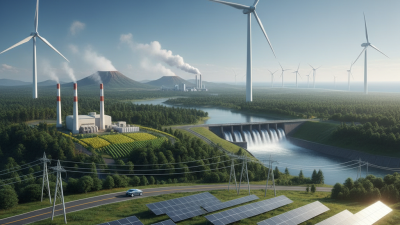
Alternative energy sources, like wind and solar, offer solutions. Worldwide investment in renewables reached $282 billion in 2020. This shift not only reduces carbon emissions but also promotes energy independence. Countries can generate power locally, lessening their reliance on imports. Renewable sources are now cheaper, often competing with fossil fuels. Yet, the infrastructure needs improvement.
Tips: Consider energy efficiency measures. Simple actions like using LED bulbs can cut energy use. Explore community solar projects. These initiatives make renewables accessible to those who cannot install them on their property. Transitioning to diverse energy sources isn't easy, but every small step counts.
Why Are Alternative Energy Sources Important for Our Future?
| Energy Source |
Advantages |
Disadvantages |
Impact on Fossil Fuel Dependency |
| Solar Energy |
Renewable, abundant, low operating costs |
Intermittency, high initial costs |
Reduces reliance on coal and natural gas |
| Wind Energy |
Clean, sustainable, and cost-effective |
Requires space, noise concerns |
Decreases demand for oil and gas |
| Hydropower |
Reliable, efficient, and renewable |
Environmental impact, displacement issues |
Reduces reliance on fossil fuel-powered electricity |
| Geothermal Energy |
Low emissions, reliable and constant |
Location-specific, high setup costs |
Helps reduce reliance on oil for heating |
| Biomass |
Reduces waste, renewable, versatile |
Potential deforestation, emissions |
Lessens dependency on fossil fuels for energy |
How Alternative Energy Sources Promote Energy Security and Independence
As we look toward a sustainable future, alternative energy sources play a vital role. They help ensure energy security by reducing our dependence on fossil fuels. This shift is necessary as fossil fuel reserves dwindle. Renewable energy sources, like wind and solar, are becoming more practical. They can generate power in diverse locations, offering a decentralized energy model.
Energy independence is another critical aspect of alternative energy. Countries can produce energy locally, reducing reliance on imports. This fosters resilience against global market fluctuations. However, transitioning to renewables is not without challenges. Infrastructure needs significant upgrades, and public policy must support these changes. Many communities may resist due to economic concerns or lack of understanding.
We must also examine the environmental impact of some alternatives. While cleaner than fossil fuels, renewable sources still require resources and land. The production of solar panels, for example, has its own environmental footprint. These complexities deserve attention as we navigate the path toward a greener future.
Innovations in Alternative Energy: Shaping the Future of Power Generation
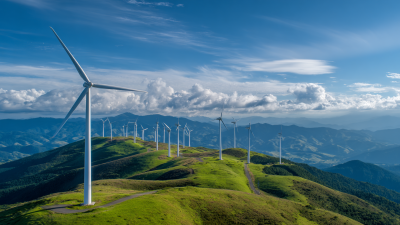
Innovations in alternative energy are transforming how we generate power. New technologies emerge daily, often inspired by nature. Solar panels now convert sunlight into electricity more efficiently than ever. Wind turbines have become taller and more effective, capturing stronger gusts. Hydropower continues to evolve as well, with smaller, decentralized plants gaining traction.
However, challenges remain. Not all regions can harness these sources equally. For instance, areas with little sunlight struggle with solar energy. Energy storage solutions still lag behind, making consistency difficult. The cost of some technologies can also hinder wider adoption. Even so, progress is visible. Communities are beginning to invest in renewable infrastructure, fostering local job creation.
The importance of innovation cannot be overstated. These advancements hold the potential to reduce our dependency on fossil fuels. Yet, more investment and education are needed. Society must embrace change, even if it feels uncomfortable. The future of energy is not only about technology but also about our willingness to adapt.
Potential of Alternative Energy Sources in Power Generation