High Purity Graphite Block Supply Trends for 2026?
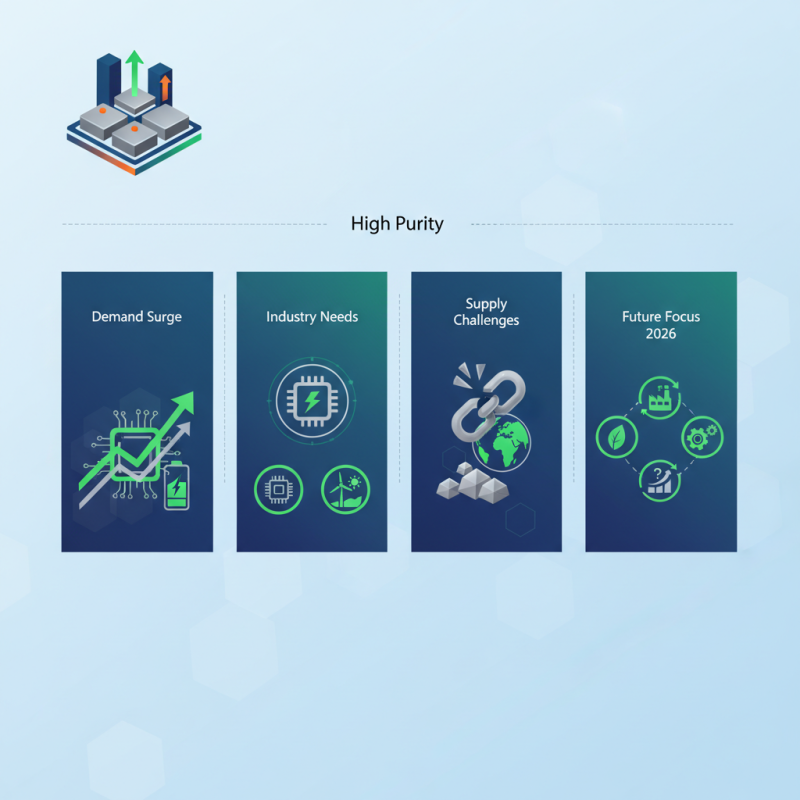
The demand for high purity graphite block is experiencing a notable surge. This trend reflects the growing needs in various industries, especially in electronics and renewable energy. High purity graphite blocks are essential for high-performance power storage systems. They offer exceptional thermal and electrical conductivity.
However, supply chains face challenges in meeting this rising demand. Geopolitical factors and raw material scarcity can disrupt production. Companies must innovate their sourcing strategies to ensure a steady supply of high purity graphite blocks. This scenario creates room for research into alternative materials and recycling methods.
As we look toward 2026, the future of high purity graphite block supplies remains uncertain. Companies need to adapt to market fluctuations. It is crucial to maintain a focus on quality and sustainability. The path forward requires collaboration and strategic planning within the industry. Balancing these factors will be essential for success in the coming years.
Current Market Overview of High Purity Graphite Blocks
The high purity graphite block market has shown significant growth recently. Reports indicate a surge in demand, driven by advancements in energy storage and electric vehicle technologies. According to estimates from industrial analyses, the global market for high purity graphite blocks could reach over $3 billion by 2026. This reflects a compound annual growth rate (CAGR) exceeding 7%.
Key applications include batteries, fuel cells, and other electronic components. The need for high performance and high-purity materials is more critical than ever. However, challenges persist, such as sourcing sufficient raw materials and ensuring consistent quality. Producers must navigate these hurdles while maintaining competitive prices. Some reports highlight regional discrepancies, with North America showing stronger growth compared to Europe and Asia-Pacific.
Sustainability continues to be a focal point. Manufacturers are exploring eco-friendly production methods. Despite this progress, issues like waste management and carbon footprint arise. The high purity graphite block supply chain needs careful assessment. Industry experts emphasize the importance of transparency and responsible sourcing in this evolving landscape. As the market adapts, staying informed will be crucial for stakeholders.
Factors Influencing Supply Trends for High Purity Graphite in 2026
High purity graphite is essential in many industries. Its applications range from batteries to high-temperature materials. As we look towards 2026, several factors will influence its supply trends.
Sustainability plays a key role. The demand for eco-friendly production processes is growing. Companies may face pressure to adopt greener methods. This shift could affect the cost and availability of high purity graphite. Additionally, geopolitical issues may disrupt supply chains. Trade regulations might lead to fluctuating prices and availability.
Technological advancements could alter production methods. New techniques may increase efficiency, impacting supply dynamics. However, these innovations require significant investment. Not all companies may be willing or able to adapt. Overall, while the future for high purity graphite seems promising, challenges will persist.
High Purity Graphite Block Supply Trends for 2026
| Year | Market Demand (Thousand Tons) | Production Capacity (Thousand Tons) | Price per Ton (USD) | Key Influencing Factor |
| 2023 | 450 | 500 | 3200 | Increased demand from EV sector |
| 2024 | 480 | 520 | 3300 | Technological advancements in production |
| 2025 | 510 | 550 | 3400 | Environmental regulations impacting supply |
| 2026 | 550 | 580 | 3600 | Increased recycling of materials |
Key Players and Their Roles in the High Purity Graphite Market
The high purity graphite market is evolving rapidly. Key players are shaping its landscape. They include manufacturers, suppliers, and research institutions. Each entity plays a unique role, influencing supply trends and quality standards.
Manufacturers focus on improving production techniques. They invest in new technologies to enhance purity levels. This ensures that the graphite meets stringent industry specifications. Research institutions contribute by developing innovative applications. Their findings push the boundaries of graphite usage in various sectors.
Suppliers maintain crucial connections within the market. They facilitate the distribution and availability of high purity graphite. Collaboration among these players is essential for sustainable growth. Challenges, such as fluctuating demand and sourcing raw materials, also exist. Continuous adaptation is vital for all involved, as the market evolves towards 2026.
High Purity Graphite Block Supply Trends for 2026
This chart illustrates the projected supply trends for high purity graphite blocks from 2023 to 2026. The data represents estimated production volumes in metric tons, reflecting increasing demand in various sectors, including batteries, electronics, and metallurgy.
Technological Innovations Impacting High Purity Graphite Production
The landscape of high purity graphite production is experiencing noteworthy technological shifts. Advances in purification methods are leading to significant improvements in product quality. Reports indicate that about 70% of global graphite production is now focused on achieving ultra-high purity levels. This shift is driven by demand in sectors like energy storage, where the purity of graphite is critical.
Innovations such as the use of advanced flotation techniques and chemical treatments are optimizing yield. These processes can reduce impurities to less than 100 parts per million. However, the scale of these technologies often presents challenges. Smaller manufacturers may struggle to invest in such sophisticated equipment. It's essential to understand that while purity levels can increase, the costs associated with achieving these standards can also rise.
Additionally, recycling methods for graphite are evolving, promoting sustainability in production. Many companies are exploring how reclaimed graphite can meet purity standards while minimizing environmental impacts. Data shows that recycled graphite could constitute up to 20% of the market by 2026. Nevertheless, the reliability and consistency of recycled materials must continue to improve. Balancing innovation and practicality is crucial for the future growth of this critical industry.
Future Demand Projections and Strategic Opportunities for 2026
As we gaze into the future of high purity graphite block supply for 2026, several key trends emerge. The demand for high-purity graphite is projected to surge, especially in sectors like electric vehicles and renewable energy storage. According to industry reports, the global market for high purity graphite is expected to grow at a CAGR of 5.6%, reaching approximately $2.5 billion by 2026. This increased demand highlights a significant opportunity for companies involved in extraction and processing.
One crucial trend is the shift towards sustainable production methods. More industries are prioritizing eco-friendly practices. Reports indicate that 64% of graphite manufacturers are now exploring sustainable sourcing. This pivot presents an opportunity for companies that can demonstrate a commitment to sustainability while meeting the rising demand. However, challenges persist. The supply chain for high purity graphite can be complex, with geopolitical factors and resource scarcity affecting production stability. Manufacturers must remain adaptable to navigate these hurdles effectively.
Investments in R&D are also essential. Innovations in purification and processing technologies may yield high-efficiency solutions. Yet, not all companies are investing sufficiently in this area. According to recent analyses, only 35% of firms are dedicating resources to advanced techniques. This gap may limit their competitive edge as markets evolve. Identifying strategic partnerships and optimizing operations will be critical for securing a profitable position in the 2026 landscape.