Exploring the Future of Industrial Power Innovations and Their Impact on Global Energy Efficiency
As the global demand for energy continues to escalate, the focus on Industrial Power innovations has never been more critical. According to the International Energy Agency (IEA), industrial sectors account for approximately 54% of global energy consumption, with an urgent need for enhanced energy efficiency measures. Innovations such as advanced automation, energy management systems, and the integration of renewable sources are pivotal in reshaping this landscape. A report by McKinsey indicates that companies adopting these cutting-edge technologies can reduce energy costs by up to 30%, significantly contributing to reduced carbon footprints and fostering sustainability. Moreover, the World Economic Forum predicts that improvements in energy efficiency could lead to savings of around $3 trillion by 2030. This exploration into the future of Industrial Power not only highlights technological advancements but also emphasizes their profound implications for global energy efficiency, driving both economic growth and environmental stewardship.
The Role of Renewable Energy Sources in Enhancing Industrial Power Efficiency
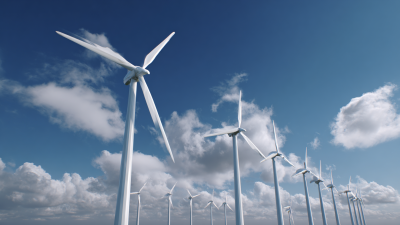
As industries evolve, the integration of renewable energy sources is becoming crucial in enhancing power efficiency. The shift from traditional fossil fuels to renewables like solar, wind, and biomass not only reduces carbon footprints but also cuts operational costs. By leveraging these clean energy alternatives, industries can optimize their energy consumption and minimize waste, leading to an overall boost in productivity.
Tips for businesses looking to make the switch include assessing the feasibility of renewable resources based on location and energy needs. Conducting an energy audit can reveal how much of the current power consumption can be offset by renewables. Additionally, forming partnerships with local renewable energy suppliers can provide cost-effective solutions while fostering community relations.
Furthermore, investing in energy-efficient technologies, such as smart grids and energy management systems, can help industries better monitor and utilize energy from renewable sources. These innovations not only streamline operations but also enhance sustainability efforts. By prioritizing renewable energy, industries can position themselves at the forefront of global energy efficiency initiatives, driving significant changes in how energy is consumed worldwide.
The Impact of Smart Grid Technology on Energy Consumption in Manufacturing Sectors
The integration of smart grid technology is revolutionizing energy consumption in manufacturing sectors, paving the way for enhanced efficiency and sustainability. By facilitating real-time data exchange between energy producers and consumers, smart grids allow manufacturers to optimize their energy usage patterns. This not only reduces operational costs but also minimizes energy waste, leading to a more sustainable production process. Advanced analytics and automated systems enable companies to adjust their operations based on demand forecasts, further enhancing efficiency.
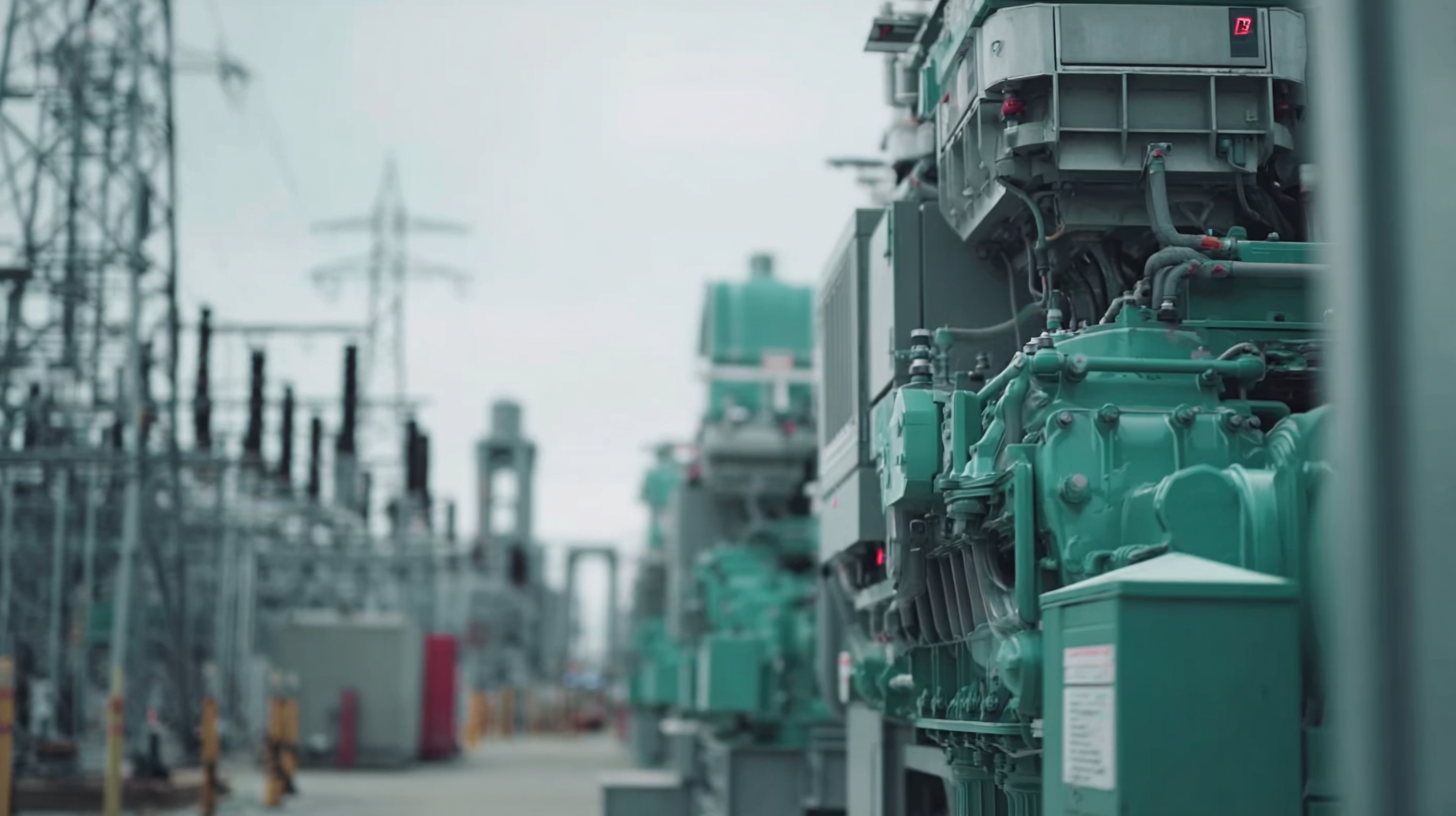
Tips for manufacturers looking to implement smart grid technology include investing in energy management systems that can analyze usage patterns and offer actionable insights. Regularly updating equipment and processes to be compatible with smart grid solutions can also yield significant improvements in energy efficiency. Additionally, engaging with energy providers to explore dynamic pricing options can lead to cost savings during off-peak usage times.
By embracing smart grid technology, the manufacturing sector can significantly reduce its carbon footprint while driving innovation. The ability to harness data and modern technologies presents an opportunity not only for financial gains but also for fostering a more environmentally responsible industrial landscape. Companies that are proactive in adopting these technologies will be well-positioned to thrive in a rapidly evolving energy economy.
Assessing the Potential of Energy Storage Solutions for Reducing Operational Costs
The energy storage system (ESS) market is predicted to reach $14.69952 billion globally by 2024, with a remarkable compound annual growth rate (CAGR) of 15.2%, extending to $55.12791 billion by 2032. This growth is driven by the increasing integration of renewable energy sources and the need for efficient energy management solutions in industrial and commercial sectors. As companies strive to reduce operational costs, energy storage solutions present a viable pathway to enhance energy efficiency.
Artificial intelligence (AI) is set to play a transformative role in achieving net-zero buildings. By optimizing energy consumption and minimizing waste, AI technologies can significantly improve building operations. For instance, advanced analytics can predict energy usage patterns, leading to smarter building management systems that cut down on unnecessary energy expenditures. As the demand for sustainable energy solutions escalates, innovations in energy storage, such as molten salt systems, are also gaining traction, further supporting the transition towards a greener future.
Future of Industrial Power Innovations: Energy Storage Solutions Impact
How AI and IoT are Transforming Industrial Energy Management Practices
The evolution of industrial energy management is increasingly influenced by advancements in artificial intelligence (AI) and the Internet of Things (IoT). As companies seek to enhance their energy efficiency, integrating AI into their operational processes has proven to be transformative. According to a report by McKinsey, AI can help reduce energy consumption by up to 20% in industrial settings by optimizing equipment performance and identifying inefficiencies in real-time. By leveraging predictive analytics, industries can anticipate maintenance needs and adjust energy usage proactively, significantly lowering operational costs.
Additionally, IoT technology plays a crucial role in creating interconnected systems that facilitate data exchange across industrial operations. A study by Siemens reveals that IoT-enabled devices can provide a 30% improvement in energy efficiency by allowing companies to monitor energy usage patterns continuously. This data-driven approach empowers businesses to implement smart grids and automated systems that optimize energy consumption based on demand fluctuations. Together, AI and IoT not only enhance energy management practices but also pave the way for more sustainable industrial operations, aligning with global energy efficiency goals.
Evaluating the Economic Benefits of Implementing Sustainable Power Innovations
The implementation of sustainable power innovations presents significant economic benefits that extend beyond environmental considerations. By investing in renewable energy sources, industries can reduce their dependence on fossil fuels, which not only mitigates the volatility associated with oil prices but also leads to long-term cost savings. For instance, the adoption of solar panels and wind turbines allows companies to generate their own power, dramatically lowering operational expenses while enhancing energy security.
Moreover, embracing green technologies often attracts favorable government policies and incentives, such as tax breaks or grants, further enhancing profitability. Industries that lead in sustainability often enjoy a competitive edge, as consumers increasingly prefer brands that demonstrate environmental responsibility. This alignment with market trends can result in increased sales and customer loyalty, ultimately driving economic growth. Thus, the shift towards sustainable power innovations not only furthers energy efficiency but also fosters a thriving economy that prioritizes environmental stewardship.
Exploring the Future of Industrial Power Innovations and Their Impact on Global Energy Efficiency - Evaluating the Economic Benefits of Implementing Sustainable Power Innovations
| Innovation Type |
Energy Source |
Efficiency Gain (%) |
Cost Savings ($/year) |
CO2 Emissions Reduction (tons/year) |
| Solar Panels |
Solar |
25 |
2500 |
15 |
| Wind Turbines |
Wind |
40 |
3000 |
20 |
| Energy Storage Systems |
Battery |
15 |
1500 |
5 |
| Smart Grids |
Electricity |
30 |
3500 |
10 |
| Combined Heat and Power |
Natural Gas |
35 |
4000 |
25 |