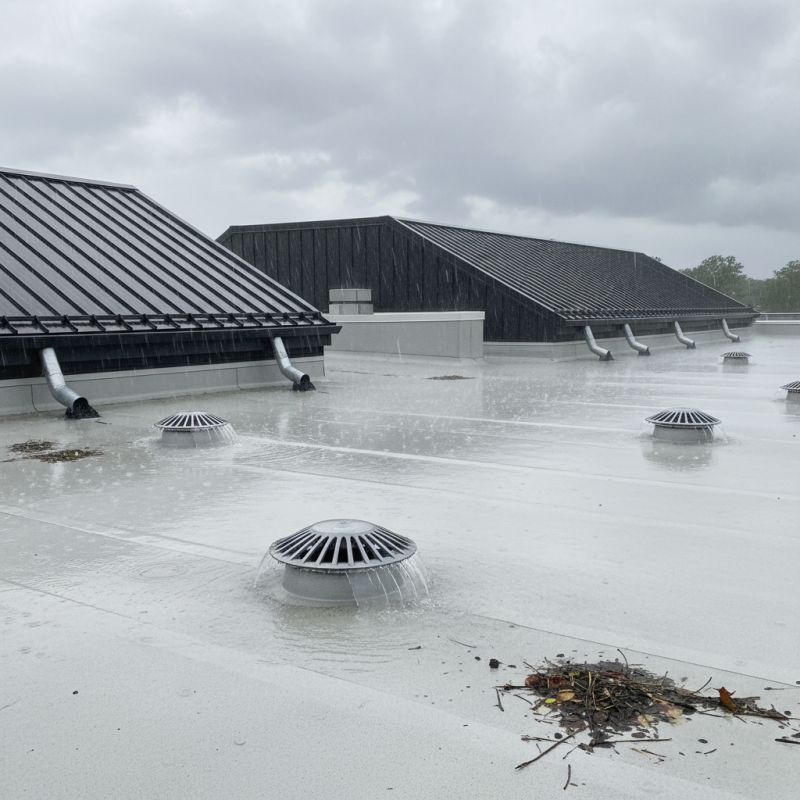
Essential Roof Drain Tips for Effective Water Management?
Proper water management is crucial for any building. Roof Drains play a vital role in this process. They prevent water accumulation on the roof, which can lead to serious structural issues. Regular maintenance of roof drains helps to ensure they function effectively.
Many people overlook the importance of regular inspections. Clogs can form due to debris, leaves, or sediment. Ignoring this can result in costly repairs. A proactive approach can save time and money in the long run. Understanding how to maintain roof drains is essential for building owners.
Effective water management adds to the longevity of your roof and building. However, not all roofs are designed the same way. Different types have unique drainage needs. It's critical to customize your approach based on specific building requirements. By paying attention to these details, you can avoid common pitfalls and enhance the effectiveness of your roof drains.
Essential Roof Drain Design Considerations for Optimal Performance
When designing roof drains, several key considerations can enhance performance. The slope of the roof plays a vital role. A gentle slope directs water effectively to drains, preventing ponding. Inadequate slope causes water to accumulate. This leads to potential structural damage over time.
Material choice is essential. Selecting durable, weather-resistant materials prevents corrosion and ensures longevity. Avoid low-quality materials that degrade quickly; they can lead to costly repairs. Regular maintenance is another crucial aspect. Regularly clearing debris from drains helps maintain optimal water flow. Neglecting this can result in clogs and overflow.
Here are some tips for effective roof drain design. Incorporate multiple drains for large roofs to distribute water evenly. This reduces pressure on any single drain. Use debris guards to minimize blockage. Consider seasonal weather patterns when placing drains. Understanding local climate conditions can help in effective water management. Each design decision impacts the overall performance significantly.
Common Roof Drainage Issues and Their Impact on Water Management
Effective roof drainage is crucial for managing water and preventing damage. Common issues include blocked drains, improper slope, and damaged components. These problems can lead to water pooling, which may cause leaks and structural damage. According to a report by the American Society of Civil Engineers, poor drainage can lead to repair costs exceeding $50 billion annually in the U.S. alone.
To enhance your roof drainage, ensure regular inspections. Check for debris that can clog drains. It’s also wise to evaluate the slope of your roof. A slope of at least 1% is recommended to ensure proper water flow.
Consider using lightweight materials to avoid adding unnecessary weight to your roof. Always address minor leaks immediately. Delaying repairs often leads to larger issues over time. By staying proactive, you can significantly reduce long-term repair costs and improve the overall health of your building.
Calculating Rainfall Intensity: Key for Effective Roof Drain Systems
Calculating rainfall intensity is crucial for designing effective roof drain systems. Rainfall intensity refers to the rate at which rain falls over a specific period. Knowing this helps in understanding how much water will collect on your roof. This understanding can prevent potential water damage and structural issues.
When determining rainfall intensity, consider your local climate data. Local weather reports can provide historical rainfall rates. These data points help predict how your roof drain system will perform during heavy rainfall. Be realistic. Not all roofs are designed to handle extreme weather. Some may need additional drainage solutions.
To enhance your roof drain system, ensure proper maintenance. Clean debris and blockages regularly. This simple action can drastically improve drainage efficiency. Also, inspect for any signs of wear. Regular checks can prevent bigger issues later. Finally, consult with professionals if unsure. Their expertise can guide you in the right direction.
Essential Roof Drain Tips for Effective Water Management
This chart illustrates the varying rainfall intensities measured in millimeters per hour. Understanding these rates is crucial for designing effective roof drain systems to manage water efficiently.
Best Practices for Roof Drain Maintenance: Industry Guidelines
Proper roof drain maintenance is crucial for effective water management. Routine inspections help identify blockages caused by leaves, dirt, or debris. Clearing these obstructions prevents water pooling, which can damage roofing materials over time. Using tools like a soft brush or hose can gently remove buildup without harming the drain surface.
Industry guidelines emphasize checking drain seals and flashing for leaks. Overlooking small cracks might lead to costly structural damage. Professional expertise suggests inspecting drains after heavy rain to assess performance under real conditions. However, some maintenance tasks are often neglected until problems become severe, risking bigger repairs.
Maintaining roof drains also involves ensuring proper slope around drains. Incorrect slopes can cause water to stagnate, accelerating issues like mold growth and corrosion. Although following best practices improves longevity, unpredictable weather patterns sometimes challenge even the best efforts. Adjusting maintenance routines based on seasonal changes remains essential for optimal results.
Benefits of Integrated Drainage Solutions in Reducing Water Damage Risks
Effective water management is crucial for the longevity of any building. Integrated drainage solutions offer vital benefits in reducing water damage risks. According to the American Society of Civil Engineers, inadequate drainage systems cost billions annually in water damage repairs. Buildings are prone to leaks, mold, and structural failures without proper solutions.
Choosing the right drainage system is essential. Tip: When designing drainage, consider sloping the roof away from critical areas. This can prevent pooling and reduce water ingress. Regular maintenance is equally important. Clearing debris from drains can enhance their efficiency and extend their lifespan.
Moreover, systems like green roofs contribute to stormwater management. They absorb rainwater and reduce runoff significantly. A report from the EPA states that green roofs can lower urban temperatures by up to 5°F. This helps minimize the stress on conventional drainage systems. However, planning and installation must be precise to avoid potential failures. While these solutions are beneficial, they require careful evaluation and upkeep to realize their full potential.