How to Choose the Right EV Wheel Motors for Your Business?
The demand for electric vehicles (EVs) continues to rise globally, driving significant advancements in technology. According to the International Energy Agency, in 2022 alone, over 10 million EVs were sold worldwide, marking a 55% increase from the previous year. This shift encourages manufacturers to invest in innovative components, including Ev Wheel Motors. Selecting the right wheel motors is crucial for optimizing performance and efficiency.
EV wheel motors serve as a critical component in the overall design and functionality of electric vehicles. They directly influence acceleration, handling, and energy consumption. The right motor can enhance performance while aligning with sustainability goals. However, many businesses overlook specific requirements when choosing motors.
The market offers numerous options, making the selection process complex. Factors such as torque, size, and compatibility should be carefully considered. Companies must assess their specific needs and expected vehicle applications. In this evolving landscape, making informed decisions about EV wheel motors is critical for success. Recognizing the balance between technical specifications and business objectives will yield better outcomes in the long run.
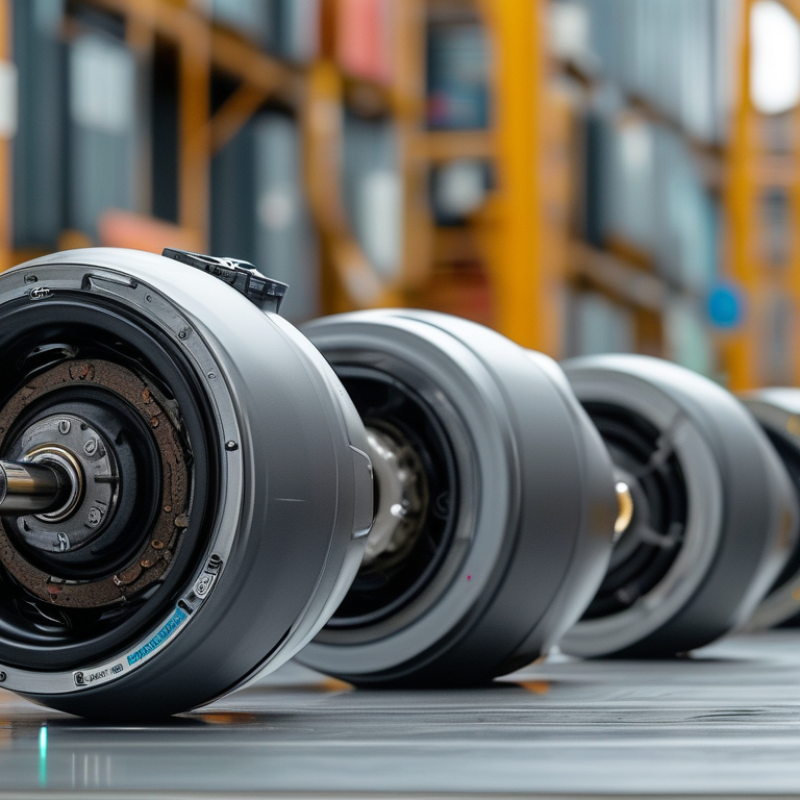
Understanding the Importance of Wheel Motors in EV Performance
When it comes to electric vehicles (EVs), wheel motors play a crucial role in overall performance. Wheel motors determine efficiency, acceleration, and handling. According to a report from the International Energy Agency, wheel motors can enhance EVs' energy efficiency by up to 15%. This is significant, especially in a market that is increasingly focusing on sustainable solutions.
Choosing the right wheel motors requires understanding their impact on design and function. A study published by the Electric Drive Transportation Association highlighted that integrating wheel motors can reduce vehicle weight. This weight reduction directly correlates with improved range and agility. However, this technology is not without challenges. Considerations such as heat management and balance must be addressed. Improper selection can lead to performance issues and safety concerns.
Additionally, market trends show that 45% of manufacturers report difficulties in sourcing reliable wheel motors. Many companies emphasize the need for partnerships with specialized manufacturers. This reflects a gap in market expertise. Businesses must weigh their options carefully and seek trusted evaluations when selecting wheel motors.
How to Choose the Right EV Wheel Motors for Your Business? - Understanding the Importance of Wheel Motors in EV Performance
| Motor Type | Power (kW) | Torque (Nm) | Efficiency (%) | Weight (kg) | Cost (USD) |
| Permanent Magnet Synchronous Motor | 100 | 250 | 90 | 50 | 4000 |
| Induction Motor | 75 | 200 | 85 | 70 | 3000 |
| Switched Reluctance Motor | 60 | 180 | 80 | 60 | 2500 |
| Brushless DC Motor | 90 | 220 | 92 | 55 | 4500 |
Key Factors to Consider When Selecting EV Wheel Motors
When selecting EV wheel motors for your business, several key factors demand attention. The motor's efficiency and performance are paramount. High-efficiency motors maximize the vehicle's range, a critical concern in the EV sector. Look for motors that offer robust torque at lower speeds. This characteristic is crucial for urban driving, where frequent stops and starts occur.
Consider the weight of the motors as well. Lighter motors improve vehicle performance and energy efficiency. Heavier motors might reduce overall efficiency and impact handling. Balance must be achieved between power and weight. Efficiency may vary under different conditions; thus, testing under your specific operational needs is essential.
Tips: Evaluate the heat dissipation capabilities of the motors. Motors that overheat can degrade performance and durability. Additionally, assess the compatibility with your vehicle's design. Misalignment can lead to premature wear and higher maintenance costs. While looking at the price, consider the long-term benefits of durability and reliability over cheap alternatives. Adopting a thoughtful selection process will lead to enhanced vehicle performance and customer satisfaction.
Evaluating Different Types of Wheel Motors: Hub Motors vs. In-Wheel Motors
When choosing the right EV wheel motors, it’s essential to understand the differences between hub motors and in-wheel motors. Hub motors are typically located within the wheel, providing direct drive power to the wheel itself. This design often leads to simpler installation and maintenance. However, one must consider their potential drawbacks. Hub motors can face overheating issues due to limited airflow, especially during demanding conditions.
In contrast, in-wheel motors place the electric motor inside the wheel hub, offering better weight distribution and space-saving advantages. They can deliver impressive torque and acceleration. Yet, these motors may increase unsprung weight, potentially affecting ride quality. Assessing your vehicle's design and intended use is vital.
Tips: Consider the terrain where your EV will operate. If it's mostly urban, hub motors may suffice. However, if you’re tackling varied landscapes, in-wheel motors may offer better performance. Pay attention to the motor's efficiency ratings. Higher efficiency can lead to extended battery life and improved range. It's worth investing time to consult with experts to determine the best fit for your business needs.
Analyzing Power Ratings and Efficiency Metrics for EV Wheel Motors
When selecting wheel motors for electric vehicles (EVs), power ratings and efficiency metrics are vital. These factors determine the performance and viability of motors in commercial settings. High power ratings indicate robust performance, but efficiency must not be overlooked. A motor can have a high power output yet consume excessive energy, leading to higher operational costs.
Understanding the efficiency of EV wheel motors requires looking at specific metrics. The efficiency rating measures how effectively the motor converts electrical energy into motion. A rating above 90% is desirable but not always achievable. Therefore, testing in real-world conditions can reveal discrepancies. Some motors perform well under laboratory conditions but struggle in practical scenarios.
Business owners should consider endurance as part of their analysis. A motor might have an impressive peak power but could suffer from overheating under prolonged use. Assessing thermal management systems is essential. It ensures reliability and longevity in applications where continuous operation is needed. An efficient motor should balance power and thermal performance for sustainability in the long run.
Budgeting and Cost Analysis: Investment in High-Quality Wheel Motors
Investing in high-quality EV wheel motors is crucial for any business looking to enter the electric vehicle market. A recent report by ResearchAndMarkets states that the global market for electric vehicle motors is expected to grow by over 20% annually, reaching $25 billion by 2025. This significant surge emphasizes the value of selecting the right components. Low-cost alternatives may seem enticing, but they can lead to higher maintenance expenses and reduced performance. An investment in reputable motors enhances reliability and efficiency.
When assessing budget constraints, consider the total cost of ownership over time. Analyze initial costs versus long-term savings. A reliable motor can effectively reduce energy consumption, ultimately saving money. The U.S. Department of Energy indicates that high-quality motors can improve energy efficiency by up to 30%. This metric alone is powerful for budget planning.
Tips: Always consult industry peers or experts when evaluating wheel motors. They can provide insights based on their experiences, helping to identify potential pitfalls. Additionally, conduct thorough research on specifications, durability, and warranties. Understanding these details ensures you make a more informed decision. Remember, cutting corners today might mean higher costs tomorrow.