How to Choose the Best Geothermal Heating System for Your Home
Geothermal heating has emerged as one of the most sustainable and energy-efficient solutions for home heating. Utilizing the consistent temperature of the earth beneath our feet, geothermal heating systems harness this natural resource to provide comfortable indoor climates while significantly reducing energy costs. As homeowners increasingly seek eco-friendly alternatives to traditional heating methods, understanding how to choose the best geothermal heating system for your home becomes essential.
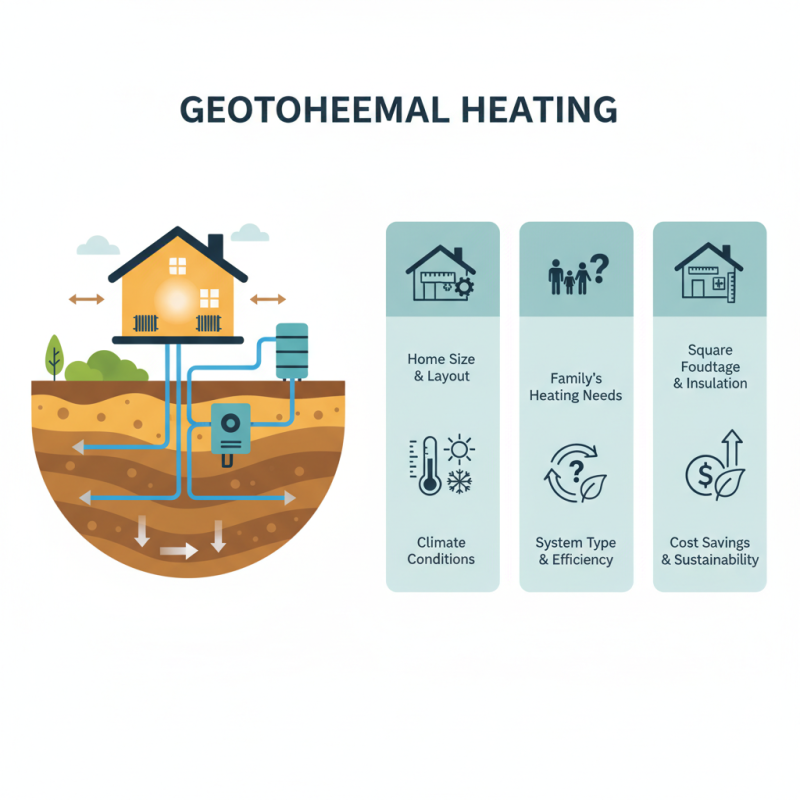
When considering geothermal heating, it is crucial to evaluate various factors such as the size of your home, climate conditions, and the specific heating needs of your family. Each geothermal system operates differently, with its components and installation requirements that can impact performance and efficiency. Additionally, assessing the square footage of your living space and existing insulation can help determine the most appropriate system that maximizes energy use while minimizing environmental impact.
In this guide, we will explore the key elements to consider when selecting a geothermal heating system for your home, ensuring that you make an informed decision that leads to comfort, cost-saving, and sustainability. By understanding the benefits and the necessary considerations, you will be better equipped to invest in a heating solution that aligns with your lifestyle and environmental goals.
Understanding Geothermal Heating Systems: An Overview
Geothermal heating systems harness the earth's natural heat to provide efficient and sustainable temperature control for homes. These systems work by transferring heat from the ground into the home during winter and reversing this process during summer, leading to a significant reduction in energy consumption compared to traditional heating methods. One of the key components of geothermal systems is the loop system, which can be either closed or open loop.
Closed-loop systems circulate a fluid through underground pipes, absorbing heat from the ground. Open-loop systems, on the other hand, use groundwater directly as the heat exchange medium.
When considering geothermal heating, it is essential to assess the climate and geological conditions of your location. The effectiveness of a geothermal system can vary based on soil composition, ambient temperatures, and available land area for installation. Additionally, factors such as household size, insulation quality, and energy efficiency goals play a significant role in determining the most suitable type of system. By understanding the operational principles and necessary requirements of geothermal heating systems, homeowners can make informed decisions that contribute to long-term energy savings and environmental sustainability.
Key Factors to Consider When Choosing a System
When selecting a geothermal heating system for your home, several key factors should be considered to ensure you make the best choice. One of the primary aspects is the size of the system, which must be appropriately matched to your home's heating requirements. Conducting a proper load calculation can help determine the necessary capacity to ensure efficient heating without unnecessary energy consumption. Additionally, the type of geothermal system—open-loop, closed-loop, or pond/lake systems—should align with your property’s specific conditions and available resources.
Another crucial factor is the installation process. The complexity of the installation can vary significantly based on your home's layout, the geology of your land, and local regulations. It's essential to partner with experienced professionals who can navigate these nuances. Furthermore, consider the upfront investment versus long-term savings. Although geothermal systems may have higher initial costs, their energy efficiency can lead to substantial savings on utility bills over time. Evaluating the potential return on investment is essential to ensure that your choice not only meets your heating needs but also fits your financial parameters.
Factors Impacting the Efficiency of Geothermal Heating Systems
Comparing Different Types of Geothermal Systems
When it comes to selecting the best geothermal heating system for your home, understanding the different types of systems available is crucial. There are primarily three types:
closed-loop systems,
open-loop systems, and
hybrid systems.
Closed-loop systems circulate fluid through a series of pipes buried underground, allowing for efficient heat transfer throughout the year.
Open-loop systems, on the other hand, draw groundwater from a well or surface body, using it for heating and then returning it back to the source.
Hybrid systems offer a combination of both approaches, providing flexibility depending on seasonal demands.
Tips: Before making your decision, consider the land availability and local climate, as these factors significantly influence the efficiency of the systems.
Closed-loop systems generally require more space for installation, whereas open-loop systems may work better in areas with plentiful groundwater.
Additionally, factor in your home’s current heating requirements and consult with a geothermal specialist to tailor a solution that aligns with your energy needs.
Pay attention to the installation and maintenance aspects of each system.
Closed-loop systems can be more reliable and require less maintenance over time, while open-loop systems may offer lower initial costs but can have higher long-term expenses due to water quality issues.
Understanding these differences can help you choose a system that not only fits your budget but also meets your heating demands effectively.
Assessing Your Home’s Suitability for Geothermal Heating
When considering the installation of a geothermal heating system, it is crucial to assess your home’s suitability for this renewable energy option. Geothermal systems leverage the stable temperature of the earth to provide efficient heating and cooling. According to the U.S. Department of Energy, geothermal heat pumps can achieve efficiencies of 300 to 600 percent on the coldest of winter nights. This figure highlights the potential savings in energy costs and emissions that come with their use.
To determine if your home is suitable for geothermal heating, begin by evaluating the geological factors of your property. The installation of a ground-source heat pump requires sufficient land area for the heat exchange loops, whether they are horizontal or vertical systems. A study from the Geothermal Resources Council indicates that homes located in regions with temperate climates and stable soil types show the best performance and return on investment for geothermal systems. Additionally, consider the size and energy needs of your home; a well-insulated structure will significantly enhance the efficiency of a geothermal system, potentially lowering installation costs and ensuring optimal performance.
Lastly, consult with a professional to conduct a thorough analysis of your home’s heating and cooling requirements. A detailed energy audit will help to identify the specific needs of your property, including insulation levels, current HVAC performance, and any areas that may require upgrades to maximize the benefits of geothermal heating. Effective planning and evaluation can lead to significant energy savings and reduced carbon footprint, making geothermal a sustainable choice for the future.
Installation and Maintenance Considerations for Geothermal Systems
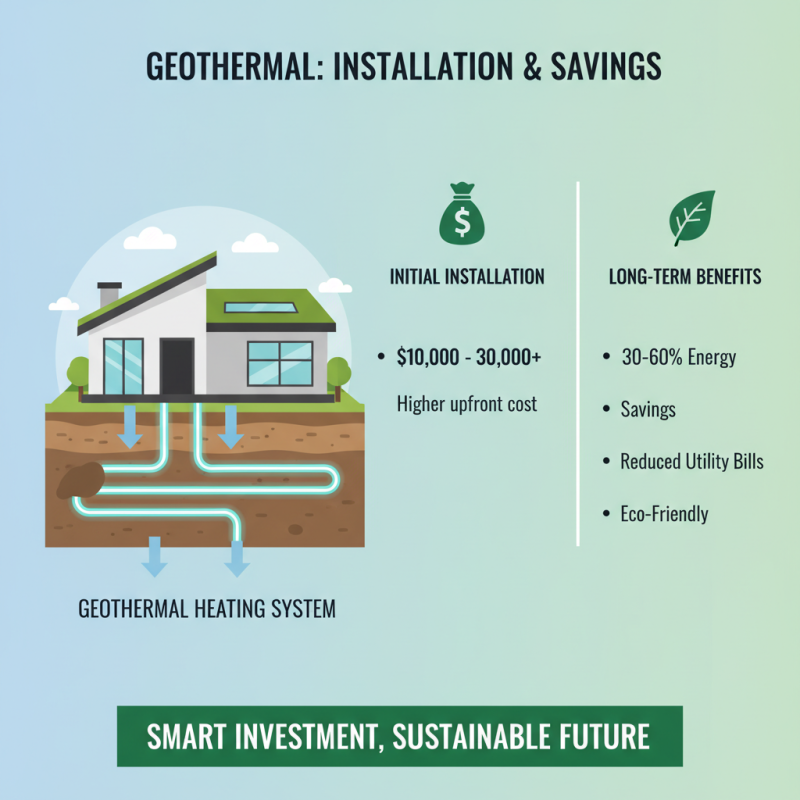
When considering the installation of a geothermal heating system, it's crucial to understand the installation and maintenance implications that come with it. According to the U.S. Department of Energy, geothermal systems can reduce energy costs by approximately 30-60%, but the initial installation can be more expensive compared to conventional heating systems. A typical geothermal heat pump installation can range from $10,000 to $30,000, depending on the size of the home and the complexity of the ground loop system installed. This upfront investment often translates to long-term savings and energy efficiency, making it essential to work with qualified contractors who can properly assess your site and ensure correct installation.
Maintenance considerations for geothermal systems are also pivotal to ensuring longevity and efficiency. Regular maintenance, including checking the system's fluid levels, inspecting and cleaning filters, and ensuring the heat exchanger is functioning optimally, is vital. The Geothermal Exchange Organization recommends performing routine checks at least once a year. Furthermore, while these systems are generally low-maintenance, homeowners should be aware that the ground loop must be adequately sized and correctly installed to avoid costly repairs in the future. According to industry studies, proper installation and maintenance can lead to a lifespan of 20-25 years for geothermal heat pumps, making them a worthwhile investment for residential heating.