How to Choose the Best Home Solar Power System for Your Energy Needs
As the demand for sustainable energy solutions continues to rise, many homeowners are exploring the benefits of installing a Home Solar Power System. According to the U.S. Energy Information Administration (EIA), residential solar power installations have increased by over 20% per year since 2016, demonstrating a significant shift towards renewable energy sources. A well-designed solar power system not only reduces reliance on fossil fuels but also offers substantial savings on electricity bills in the long run.
Renowned solar energy expert Dr. Jane Smith has noted, "Choosing the right Home Solar Power System can be a game changer for homeowners looking to harness the sun's energy. It's essential to evaluate personal energy needs and the specific characteristics of your property." This highlights the importance of tailoring solar solutions to fit individual circumstances, ensuring maximum efficiency and return on investment. In this article, we will explore crucial factors to consider when selecting the best Home Solar Power System for your energy needs, ensuring that you make an informed decision that aligns with your sustainability goals and budget.

Understanding Different Types of Solar Power Systems and Their Applications
When selecting the best home solar power system, it is essential to understand the different types available and their specific applications. There are mainly three types of solar power systems:
grid-tied,
off-grid, and
hybrid systems.
Grid-tied systems are the most common residential choice, allowing homeowners to connect directly to the electrical grid. This setup enables users to sell excess energy back to the grid, offering financial incentives while ensuring a consistent power supply.
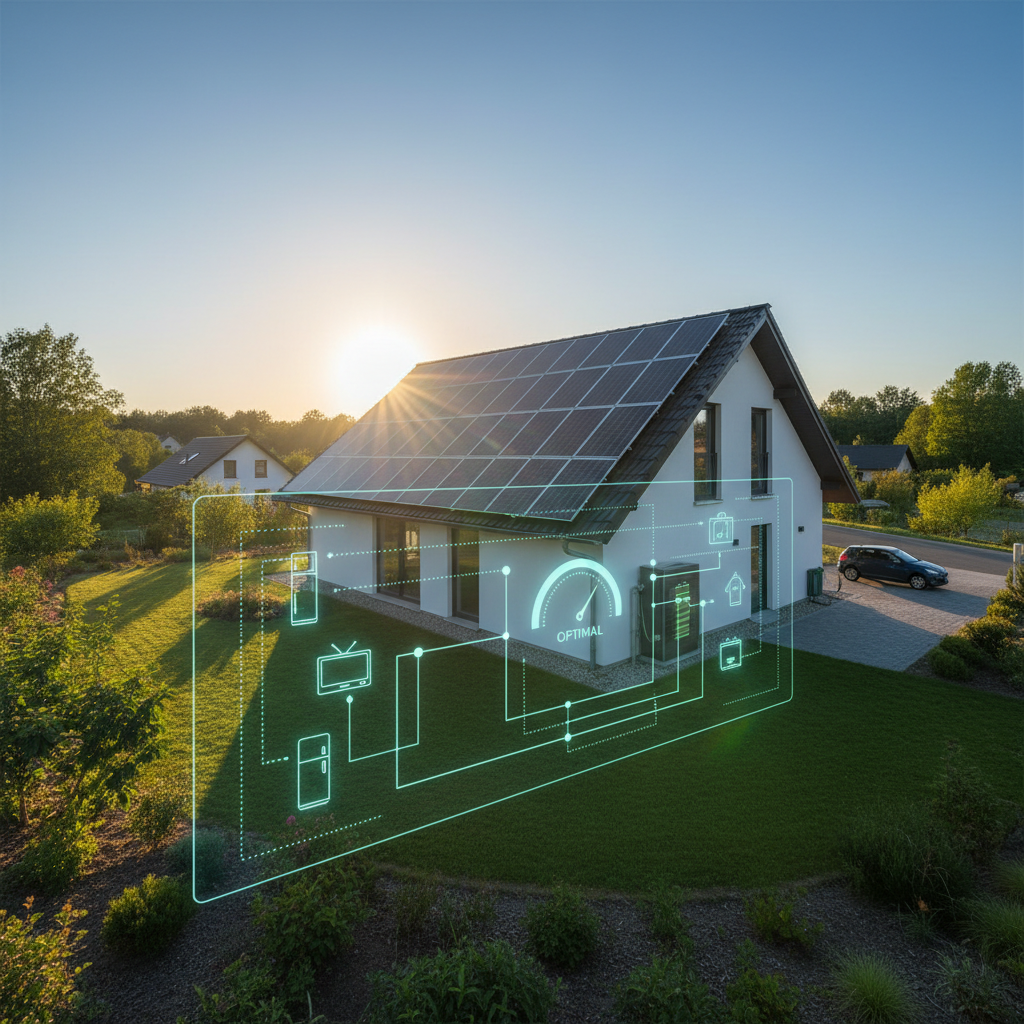
Off-grid solar systems, on the other hand, provide complete energy independence. These systems are ideal for remote areas where traditional power lines are unavailable. They require a battery storage solution to store energy for use during periods of low sunlight.
Hybrid systems combine both features, allowing homeowners to utilize grid power while having backup battery storage to maintain energy supply during outages. By considering your power needs, location, and budget, you can determine which solar power system aligns best with your lifestyle.
Evaluating Energy Consumption Patterns to Determine Solar Needs
When choosing the best home solar power system, evaluating your energy consumption patterns is crucial. According to the U.S. Energy Information Administration (EIA), the average American home uses about 877 kWh per month. However, energy usage can vary greatly depending on factors such as the size of the household, local climate, and individual lifestyle. By conducting a thorough analysis of your monthly energy bills, you can identify peak usage times and determine how much of that energy could be offset by solar power.
Additionally, the National Renewable Energy Laboratory (NREL) estimates that households can save between 50-80% on their electricity bills when they adequately size their solar system. To achieve optimal energy independence, it’s recommended to not only consider your current usage but also anticipate future needs, such as the addition of electric vehicles or home expansions. Understanding these patterns allows homeowners to tailor their solar installations to match their specific energy demands, ensuring maximum efficiency and cost-effectiveness in the long run.
Energy Consumption Patterns for Home Solar Power System
This chart displays the monthly energy consumption patterns in kilowatt-hours (kWh) throughout the year. Evaluating these patterns can help determine your solar energy needs effectively.
Comparing Solar Panel Efficiency Ratings and Their Impact on Energy Output
When selecting a solar power system for your home, understanding solar panel efficiency ratings is crucial for optimizing energy output. Solar panel efficiency measures how well a panel converts sunlight into usable electricity. Ratings typically range from around 15% to over 22%. Higher efficiency panels, while often more expensive, can produce more energy in a smaller space, making them an excellent choice for homes with limited roof space or shading issues.
Another important aspect to consider is how efficiency impacts overall performance in different conditions. For instance, higher efficiency panels perform better in low-light settings or on cloudy days, ensuring you still generate usable energy despite less than ideal weather. Additionally, they tend to have better temperature coefficients, meaning they maintain performance during hot weather. By analyzing these factors, you can determine which solar panel efficiency rating aligns best with your energy needs and installation conditions, ultimately leading to a more effective and efficient solar power system for your home.
Assessing the Financial Investment: Cost-Benefit Analysis of Solar Systems
The financial investment in solar power systems is a critical consideration for homeowners looking to harness renewable energy. A cost-benefit analysis reveals that while the initial costs of solar installations can be significant, the long-term savings on electricity bills and potential government incentives can lead to substantial returns. The residential solar market is projected to grow significantly, with an estimated compound annual growth rate (CAGR) of 14% from 2024 to 2032, reflecting an increasing consumer demand for sustainable energy solutions.
In the Middle East and Africa, the photovoltaic (PV) market is expected to expand considerably by 2030, spurred by advancements in technology and decreasing costs. The impact of COVID-19 has created both challenges and opportunities in this sector. The pandemic accelerated the shift towards renewable energy as countries recognize the need for energy independence and sustainability. Various technologies, including monocrystalline, polycrystalline, and thin-film solar panels, cater to diverse consumer needs, whether for grid-connected or off-grid systems. This dynamic environment offers a trillion-euro opportunity, especially as policymakers advocate for green agreements that promise a sustainable future.
How to Choose the Best Home Solar Power System for Your Energy Needs - Assessing the Financial Investment: Cost-Benefit Analysis of Solar Systems
| System Type |
Initial Cost ($) |
Annual Savings ($) |
Payback Period (years) |
Estimated Lifespan (years) |
Return on Investment (%) |
| Monocrystalline |
$15,000 |
$1,800 |
8.3 |
25 |
12% |
| Polycrystalline |
$12,000 |
$1,500 |
8.0 |
25 |
12.5% |
| Thin-Film |
$10,000 |
$1,200 |
8.3 |
20 |
11.5% |
| Bifacial |
$18,000 |
$2,000 |
9.0 |
30 |
11.1% |
Exploring Incentives and Rebates for Residential Solar Energy Solutions
As homeowners increasingly consider solar energy, understanding the available incentives and rebates is crucial for maximizing the benefits of a residential solar power system. According to the Solar Energy Industries Association (SEIA), the federal solar investment tax credit (ITC) allows homeowners to claim up to 26% of their solar system costs on their federal tax return, which significantly reduces upfront expenses and accelerates return on investment. Additionally, many states and local governments offer their own incentives, such as tax credits, grants, and property tax exemptions, further enhancing the financial appeal of solar energy.
Tip: Research both federal and state-specific incentives to ensure you’re taking full advantage of potential savings. Websites like the Database of State Incentives for Renewables & Efficiency (DSIRE) provide a comprehensive overview of available programs tailored to your location.
Many utility companies also provide rebates for solar installations, often in the form of cash incentives that vary by region. For instance, a report from the National Renewable Energy Laboratory (NREL) indicates that homeowners participating in utility rebate programs can receive up to $1,000 or more, depending on the size of their solar system and local energy policies.
Tip: Contact your local utility provider to inquire about current rebate programs and eligibility requirements to maximize your solar investment.