
10 Best Sustainable Energy Solutions for a Greener Future?
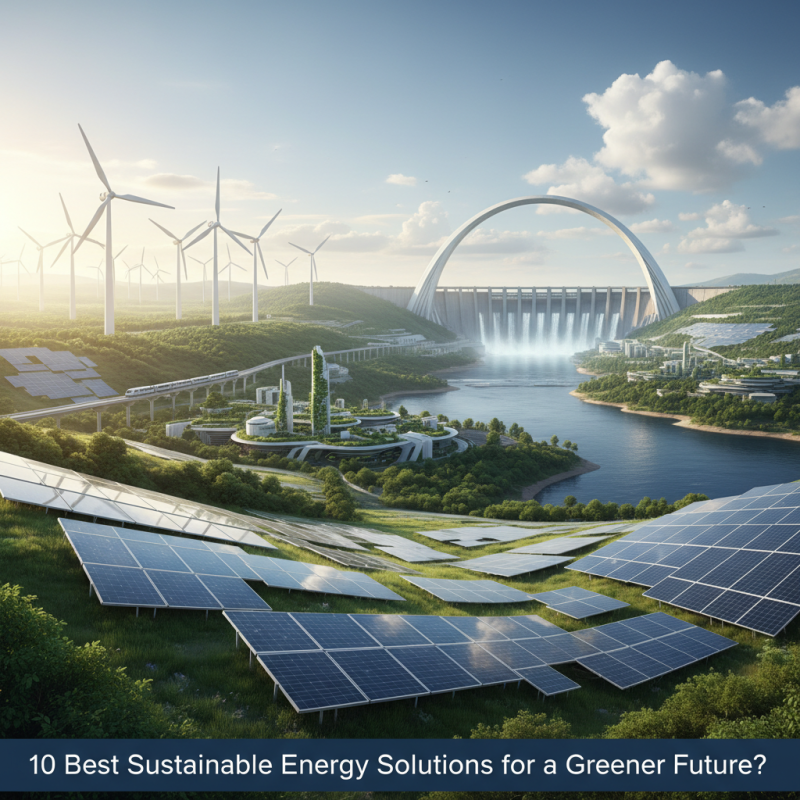
In today's world, the urgent need for Sustainable Energy has never been clearer. With rising temperatures and depleting resources, we face a critical moment. Communities and governments are searching for effective solutions. Sustainable energy sources offer a promising path to reduce carbon footprints and promote eco-friendliness.
The transition from fossil fuels to renewable options is complex. Solar, wind, and hydro power are leading the charge. However, adaptation takes time, and not all regions have equal access. This imbalance raises questions about equity and implementation. Each solution has its challenges, whether it's technology costs or local resistance.
As we explore the ten best Sustainable Energy solutions, we must acknowledge that no approach is flawless. Innovations often come with unintended consequences. The journey toward a greener future is filled with hurdles. Yet, embracing sustainable practices is essential for the well-being of our planet and future generations.
Overview of Sustainable Energy Solutions and Their Importance
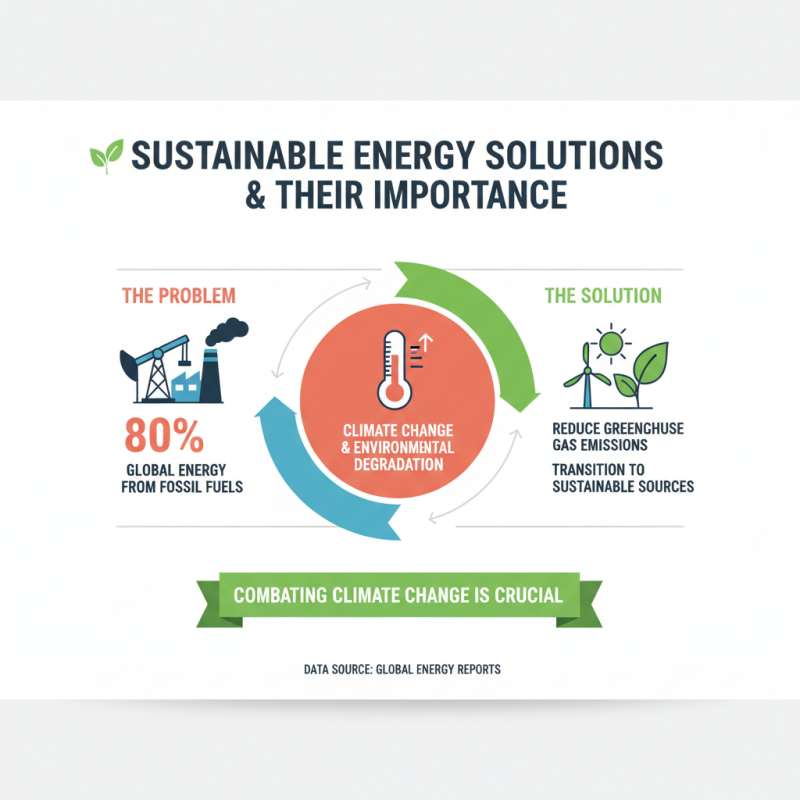
Sustainable energy solutions are crucial for combating climate change. Reports show that around 80% of global energy comes from fossil fuels. This reliance accelerates environmental degradation. Transitioning to sustainable sources can reduce greenhouse gas emissions significantly.
Solar energy is among the most promising solutions. According to the International Renewable Energy Agency, solar power could provide 23% of global electricity by 2050. However, energy storage remains a challenge. Wind energy also offers potential, contributing 15% of the world’s electricity. Both require advancements in technology and infrastructure.
Tips: Consider local energy audits. They help identify energy-saving opportunities. Small changes can impact significantly. Explore community initiatives as they often provide resources and information on renewable energy options. Collaboration can enhance success in sustainable practices, yet many areas still lack access to these programs. Engaging in dialogue about energy needs is essential for progress.
Renewable Energy Sources: Types and Benefits for Sustainable Living
Sustainable living requires a deeper understanding of renewable energy sources.
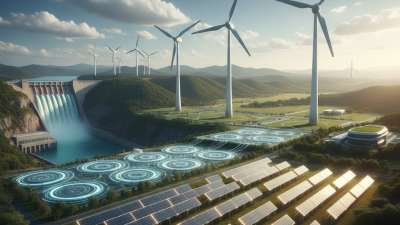
Solar power stands out as a popular choice. It harnesses sunlight using photovoltaic cells. These systems are becoming more efficient and affordable. Many households now install solar panels on rooftops. The initial investment can be high, yet long-term savings on energy bills are significant.
Wind energy offers another compelling solution.
Wind turbines convert kinetic energy from wind into electricity. They are often placed in rural areas with high wind speeds. However, local wildlife can be affected, prompting discussions about ecological balance.
Hydropower is another option, using flowing water to generate energy. Dams and rivers create a renewable source, but they can disrupt local ecosystems.
Geothermal energy taps into the earth's heat. It provides a stable energy source with minimal emissions. Critics argue that its location limitations hinder widespread use.
Biomass energy utilizes organic material, but its sustainability is often debated. Each renewable source presents unique challenges and opportunities. A comprehensive approach is essential for a true sustainable future.
Innovative Technologies Driving Sustainable Energy Forward
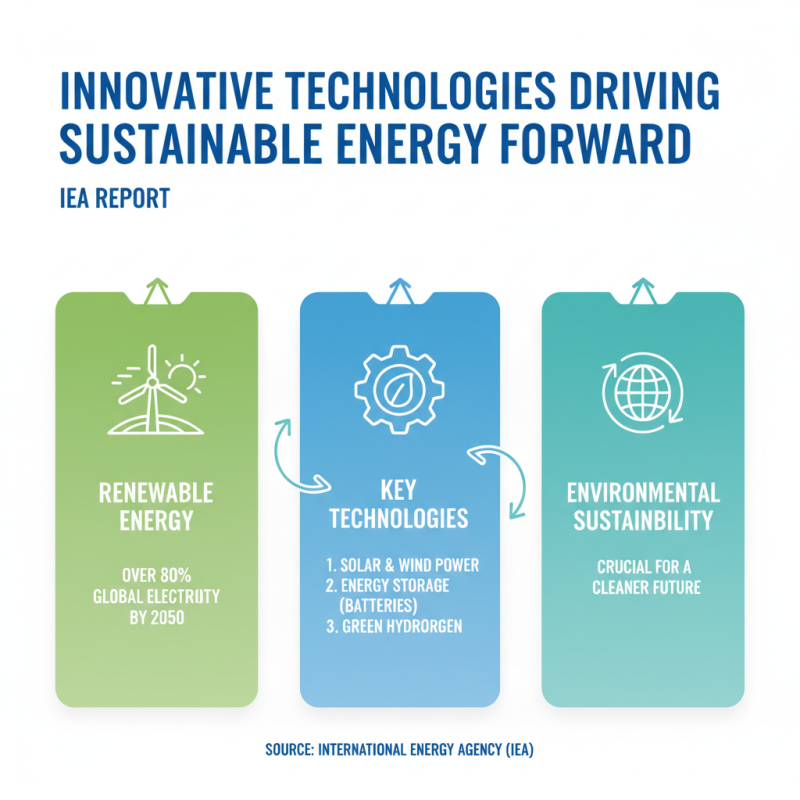
Innovative technologies are crucial for advancing sustainable energy solutions. According to the International Energy Agency (IEA), renewable energy could supply over 80% of the world’s electricity by 2050. This shift is not just beneficial but necessary for environmental sustainability.
Solar panels and wind turbines are leading the charge in clean energy production. The Global Wind Energy Council reported that wind energy capacity reached 743 GW in 2020. However, challenges remain. Integrating these sources into existing grids can create instability and inefficiency.
Energy storage solutions, such as advanced batteries, are critical. They help balance supply and demand, making renewable energy more reliable. The market for energy storage is projected to grow by 30% annually. Still, issues such as high costs and resource sourcing must be addressed. The consistent drive for innovation in this sector offers hope and signals a promising future.
Energy Efficiency: Strategies for Reducing Consumption and Waste
Energy efficiency is crucial in creating a sustainable future. It involves using less energy to provide the same service. Simple adjustments can lead to significant savings. For instance, switching to LED lighting reduces electricity usage dramatically. Homes that improve insulation also see lower heating and cooling costs. Strategies like these not only save money but also lessen environmental impact.
Building energy-efficient homes is just one step. Education plays an essential role. People must understand the benefits of energy conservation. Workshops and community programs can help raise awareness. However, many still overlook these strategies. This gap indicates a need for more outreach and engagement.
Another area of improvement involves appliances. Many households use outdated machines that waste energy. Upgrading to modern, efficient models can reduce consumption. Yet, replacing appliances requires financial investment, which can be challenging. Initiatives to offer rebates or incentives for upgrades could make a difference. While progress is happening, we must push harder for change. An energy-efficient mindset must become the norm.
10 Best Sustainable Energy Solutions for a Greener Future
| Solution | Description | Benefits | Impact on Energy Efficiency |
|---|---|---|---|
| Solar Energy | Harnessing sunlight to generate electricity using solar panels. | Reduces electricity bills, low maintenance costs, and eco-friendly. | Can significantly lower energy consumption and greenhouse gas emissions. |
| Wind Energy | Using wind turbines to convert wind energy into electricity. | Sustainable source, reduces reliance on fossil fuels. | Enhances energy independence and reduces carbon footprint. |
| Geothermal Energy | Utilizing heat from the Earth’s core for heating and electricity. | Stable and reliable energy source, low emissions. | Efficient thermal managing, reduces wastage in heating and cooling. |
| Hydropower | Generating electricity from flowing or falling water. | Renewable and controllable power source. | Can improve overall energy efficiency in transport through electricity generation. |
| Biomass Energy | Using organic materials to produce energy through combustion or conversion. | Utilizes waste materials, reducing landfill use. | Contributes to reducing waste and efficient resource usage. |
| Energy Storage Systems | Technologies like batteries that store energy for use when needed. | Enhances grid stability and use of renewable energy. | Maximizes energy usage and reduces peak demand. |
| Smart Grids | Electricity supply network that uses digital technology for real-time monitoring. | Improved efficiency and reliability of power distribution. | Reduces energy loss and optimizes energy balance. |
| Energy Efficiency in Buildings | Implementing technologies and designs to reduce energy usage in buildings. | Lower energy bills and improved comfort. | Significantly lowers overall energy demands. |
| Electric Vehicles | Vehicles that are powered entirely or partially by electricity. | Reduced emissions and operating costs. | Promotes efficient energy consumption in transportation. |
| Tidal Energy | Energy generated from tidal movements and waves. | Predictable and sustainable energy source. | Can contribute to a diversified energy portfolio. |
Community Engagement in Promoting Sustainable Energy Practices
Engaging communities in sustainable energy practices is crucial for a greener future. When individuals come together, they can share knowledge and experiences that inspire positive change. Local workshops about renewable energy solutions can spark interest among residents. Simple initiatives, like neighborhood clean-up days, can boost awareness and foster a sense of responsibility.
Participation in energy-saving programs is vital. Community members can organize audits to identify energy inefficiencies in local homes or businesses. Collaboration can lead to cost-effective solutions, but not everyone may be willing to jump on board. Some might resist change due to financial concerns or skepticism about new technologies. Recognizing these barriers is essential for meaningful engagement.
Schools can play a pivotal role too. Education initiatives can shape young minds to appreciate sustainability. Projects like school gardens or renewable energy clubs help students connect with their environment. Yet, there are challenges. Not all communities have access to resources necessary for these projects. Addressing these disparities is key to ensuring everyone benefits from a greener future.
Related Posts
-
10 Ways Renewable Energy Transforms Our Future
-

Challenges Faced by Global Buyers Seeking the Best Green Energy Solutions
-

Exploring the Unique Features and Applications of the Best Sustainable Energy Products in Today's Market
-
Top 10 Alternative Energy Sources You Should Know About in 2023
-
Top 10 Renewable Energy Sources You Should Know About?
-
Why Are Alternative Energy Sources Important for Our Future?