What is the Best Solar Power System for Your Home?
When considering the best Solar Power System for your home, it's crucial to weigh various factors. John Smith, a leading expert in renewable energy, once stated, "Choosing the right solar setup can make or break your energy independence." This highlights the importance of informed decision-making.
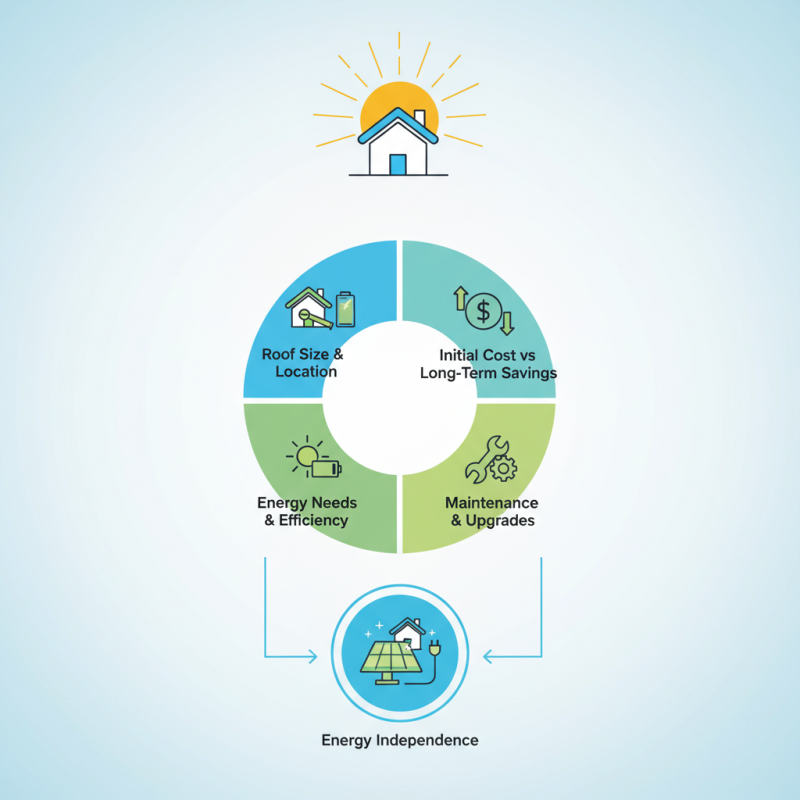
A Solar Power System can significantly reduce your energy bills. However, not all systems work for every homeowner. Factors like roof size, location, and energy needs all play a role. Some systems may promise high efficiency but fall short in real-world conditions.
The search for the ideal Solar Power System requires careful evaluation. It's essential to consider not just initial costs, but also long-term performance. Homeowners often overlook maintenance and potential upgrades. By reflecting on these aspects, you can find a solution that truly meets your needs.
Understanding Your Energy Needs for a Solar Power System
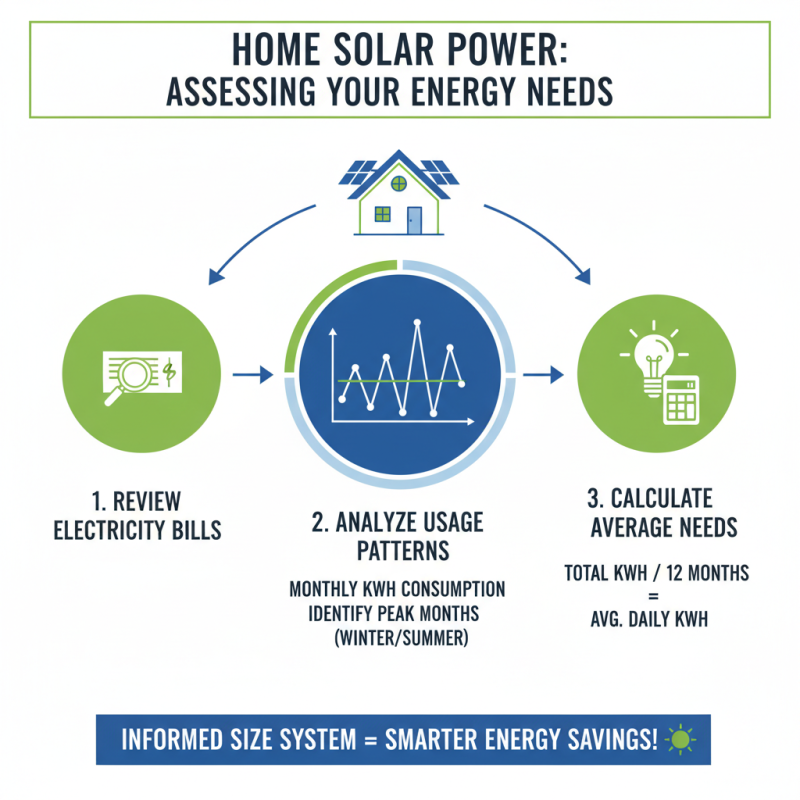
When considering a solar power system for your home, it's crucial to assess your energy needs accurately. Begin by examining your monthly electricity bills. Look for patterns in your usage. This helps you understand how much energy you consume on average. Note the peaks during certain months, such as winter or summer.
Next, consider your household dynamics. Are there many family members? Do you often use energy-intensive appliances? A large family may need a more powerful system. Evaluating your lifestyle helps in making a more informed decision. Sometimes, homeowners underestimate their requirements. This miscalculation can lead to insufficient power during critical times.
Finally, factor in your future energy needs. Are you planning to buy an electric vehicle or add more appliances? Anticipating these changes is essential. A solar system should be flexible enough to adapt to your growth. Reflect on these aspects to create a balanced approach. Missing any of these details could derail your solar energy plans.
Types of Solar Power Systems Available for Homes
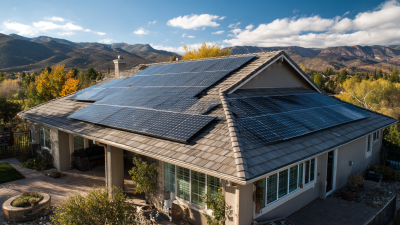
When it comes to solar power systems for homes, various options exist. Each type has unique characteristics to consider. The common types include grid-tied, off-grid, and hybrid systems. Grid-tied systems connect directly to the utility grid. They are suitable for homes in urban areas with reliable electricity.
[Image]
Off-grid systems function independently from the grid. They’re ideal for remote living but require battery storage.
Hybrid systems combine the features of both. They use solar panels and allow for battery storage. This setup provides flexibility and reliability. Choosing the right system depends on your energy needs and location. Evaluation is necessary, as every type has its pros and cons.
Moreover, installation can be tricky. Professional help is often necessary to ensure efficiency. Some homeowners might underestimate this. It's crucial to reflect on your expected energy usage. Poor planning can lead to underperformance or excess costs. Balancing your requirements with the capabilities of each system is vital for optimal results.
Key Components of a Home Solar Power System
When exploring solar power systems for homes, understanding key components is essential. Solar panels capture sunlight and convert it into electricity. They come in various types, each with unique efficiency levels. Choosing the right panels can impact overall energy generation.
Inverters play a crucial role. They transform the direct current from solar panels into alternating current for home use. A good inverter ensures optimum performance. Some homeowners overlook this aspect, leading to inefficiencies. Batteries are another component to consider. They store excess energy for later use, providing power during cloudy days or nighttime. Many home solar setups might initially skip batteries, leading to questions about energy reliability.
Furthermore, mounting systems securely position panels on rooftops. The orientation and angle matter greatly. Improper installation can reduce sunlight exposure, affecting overall performance. Proper placement is often underestimated. Each component is vital for a functional solar power system. Understanding these details can aid in making informed decisions.
What is the Best Solar Power System for Your Home? - Key Components of a Home Solar Power System
| Component |
Description |
Average Cost |
Efficiency Rating |
| Solar Panels |
Convert sunlight into electricity. |
$15,000 - $30,000 |
15% - 20% |
| Inverter |
Converts DC electricity from panels to AC electricity for home use. |
$1,000 - $3,000 |
95% - 98% |
| Mounting System |
Holds the solar panels on the roof or ground. |
$500 - $2,000 |
N/A |
| Battery Storage |
Stores excess energy for use during non-sunny periods. |
$5,000 - $15,000 |
80% - 90% |
| Monitoring System |
Tracks energy production and usage. |
$300 - $1,000 |
N/A |
Factors to Consider When Choosing a Solar Power System
Choosing the right solar power system for your home involves several important factors. Start with your energy needs. Calculate how much power your household consumes monthly. This helps determine the size of the solar system. Consider future energy needs too. Perhaps you plan to buy an electric vehicle or add appliances.
Next, evaluate your location. The amount of sunlight your area receives impacts system efficiency. Homes in sunny regions benefit more. Roof orientation and shading also matter.
A shaded roof can reduce solar production significantly. Assess your roof’s condition. Older roofs might need repairs or replacement.
Don't overlook your budget. Quality systems may have higher upfront costs, but they offer better longevity. Check for available incentives or rebates. These can make solar more feasible.
Finally, research installation options. Compare companies, their experience, and customer reviews. Make sure you can trust them with this investment. This process can feel overwhelming, but reflection helps clarify your choices.
Evaluating Cost and Return on Investment for Solar Energy
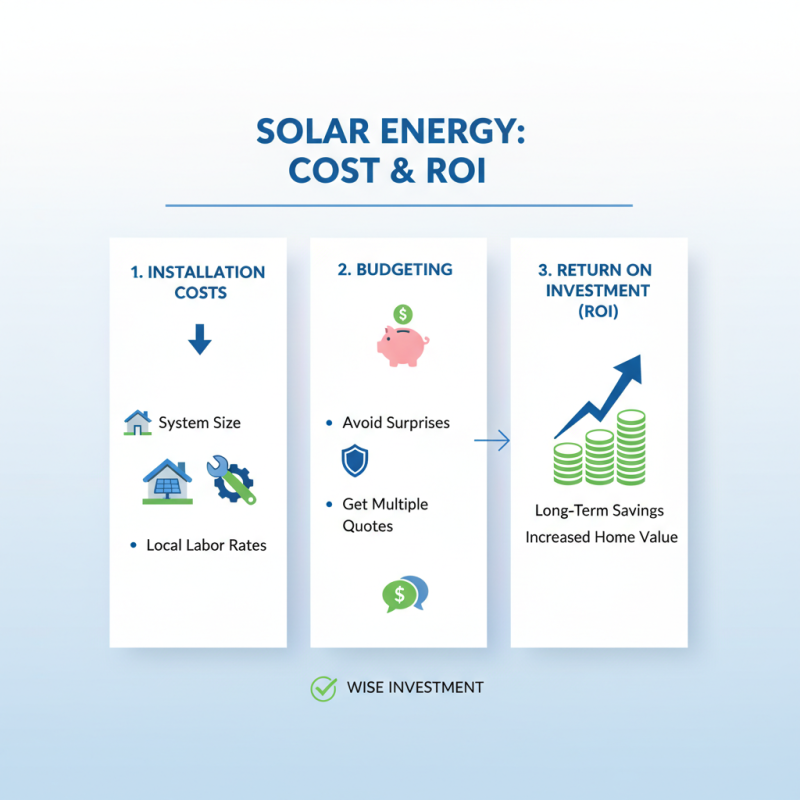
When evaluating solar energy, cost and return on investment (ROI) are crucial. Homeowners should start by considering installation costs. These can vary widely based on system size and local labor rates. A well-planned budget can help avoid surprises. It is wise to get multiple quotes to compare prices.
Financial incentives play a big role. Tax credits can significantly lower upfront payment. Some states offer additional rebates. However, understanding the fine print is essential, as eligibility can change. The ROI timeline also deserves attention. For many, the payback period is between five to seven years. However, specific factors, like energy consumption and local weather conditions, might extend this timeline.
While solar systems promise savings, not every installation suits every home. Shading from trees can limit energy production. Roof age is another consideration; an older roof may need repairs before installation. In some cases, homes with less sun exposure might yield smaller savings. Hence, thorough research is vital. Evaluate all elements before making a final decision.