Best Solar Electricity Systems for Your Home in 2026?
As the world shifts towards renewable energy, Solar Electricity systems have become more vital for homeowners. According to Dr. Emily Carter, a leading expert in the solar industry, "Harnessing Solar Electricity is a smart move for both the planet and your wallet." Homeowners are now more aware of their energy choices. They are leaning towards sustainable solutions like solar panels.
In 2026, choosing the best Solar Electricity system can be overwhelming. Many options exist, but not all are efficient. It is essential to evaluate the performance and longevity of each system. Homeowners often face challenges in understanding technical specifications. Misleading advertising can confuse many seeking reliable power sources.
Investing in Solar Electricity means embracing a significant lifestyle change. It comes with responsibilities, from maintenance to understanding contracts. Each choice affects energy costs and environmental impact. As we look ahead, thoughtful decisions will shape our energy future.
Factors to Consider When Choosing Solar Electricity Systems in 2026
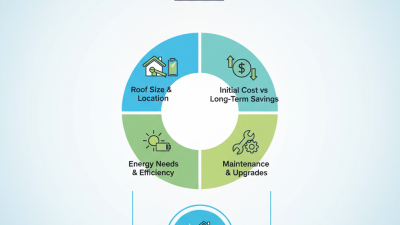
When choosing solar electricity systems in 2026, several factors must be considered. Efficiency is key. The average solar panel efficiency is projected to reach 24% by 2026, up from 21% in 2023. This means better performance for your investment. However, higher efficiency often comes with increased costs. Balancing price and efficiency is crucial.
Another important factor is the type of solar panel. Monocrystalline panels are popular for their higher efficiency and longevity. However, they can be more expensive than their polycrystalline counterparts. Understanding long-term savings versus initial expenditure is vital. Consumers should expect to pay about $15,000 to $30,000 for a complete system.
Local climate greatly influences solar output. Regions with more sunny days see greater returns on solar investments. Yet, this can lead to overestimating potential savings. Many homeowners might initially believe they will generate more energy than is realistic. It’s essential to assess your local weather patterns and energy needs carefully. Additionally, installation quality matters. Poor installation can reduce system performance significantly. Investing in quality installation services is just as crucial as the type of panel chosen.
Top Solar Technologies to Look for in Home Electricity Systems
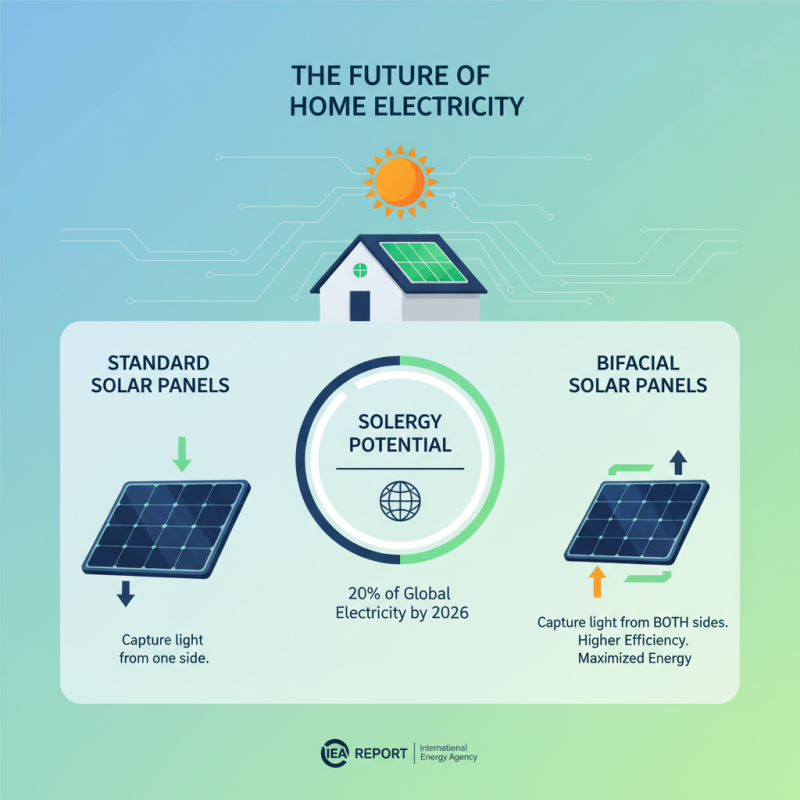
The future of home electricity systems lies in advanced solar technologies. A report from the International Energy Agency suggests that solar energy has the potential to supply over 20% of the world's electricity by 2026. Innovations such as bifacial solar panels, which capture sunlight on both sides, offer higher efficiency. Standard panels only harness light from one side. With bifacial technology, homeowners can maximize energy production in limited spaces.
Storage solutions are also crucial. Battery systems are improving rapidly, providing more options for homeowners. These batteries can store excess energy generated during sunny days for evening use. According to a 2023 market analysis, the global battery storage market is expected to grow by 25% annually. This growth makes it vital for homeowners to stay informed about battery capabilities and compatibility with solar systems.
Tips: Research different solar models to find the best fit for your home. Explore local incentives that may reduce installation costs. Monitor your energy usage regularly to assess how solar can meet your needs efficiently. This proactive approach can guide your decisions. It’s important to consider long-term performance, as some systems may underperform.
Cost and Financial Incentives for Solar Systems in 2026
As homeowners consider solar electricity systems in 2026, costs and financial incentives play crucial roles. The average installation cost for solar panels may continue to fluctuate, potentially reaching new heights. While some experts predict a decrease due to technological advancements, others warn of rising material costs. These factors create uncertainty for homeowners.
Financial incentives remain a key aspect. Tax credits and rebates can significantly reduce the overall expense. Many regions may introduce new programs aimed at promoting green energy. However, qualification requirements can be complex. Some homeowners might find it difficult to navigate these systems. It's essential to research local offerings and stay updated on policy changes.
Many people feel overwhelmed by the choices available. Installation processes can vary greatly. Some may not fully understand their energy needs before purchasing. This can lead to overspending on systems that do not fit their requirements. Awareness of energy consumption is vital to make informed decisions. Understanding both costs and incentives is crucial for achieving long-term savings.
Best Solar Electricity Systems for Your Home in 2026
| System Type |
Average Cost ($) |
Estimated Savings Per Year ($) |
Payback Period (Years) |
Federal Tax Credit (%) |
State Incentives ($) |
| Monocrystalline |
$16,000 |
$1,200 |
13 |
26 |
$1,500 |
| Polycrystalline |
$14,000 |
$1,000 |
14 |
26 |
$1,200 |
| Bifacial |
$18,000 |
$1,400 |
13 |
26 |
$1,800 |
| Thin-Film |
$12,000 |
$800 |
15 |
26 |
$1,000 |
| Building-Integrated PV |
$25,000 |
$1,800 |
14 |
26 |
$2,500 |
Installation and Maintenance Best Practices for Solar Electricity Systems
When considering solar electricity systems, installation and maintenance are critical. A 2023 report by the National Renewable Energy Laboratory (NREL) shows that proper installation can boost system efficiency by at least 10%. This means correct positioning and angle matter greatly. Many homeowners underestimate the impact of shade from trees or buildings, which can reduce output significantly. Engaging professionals for the installation can prevent costly mistakes.
Regular maintenance is equally vital. According to the Solar Energy Industries Association (SEIA), systems that are regularly cleaned and inspected can have a lifespan of 25 years or more. Dust, dirt, and debris can accumulate, hindering performance. It’s advisable to check for any loose connections or potential damage. Solar electricity is often perceived as low-maintenance, but neglecting these checks can lead to unexpected repairs.
Financial aspects also require attention. While initial costs can be high, many systems lead to long-term savings. The average household can save around $20,000 over 20 years with a well-maintained setup. However, if installation and maintenance are ignored, those savings could diminish rapidly. Be cautious and proactive to truly benefit from solar energy.
Best Solar Electricity Systems for Your Home in 2026
Future Trends in Solar Energy and Their Impact on Home Systems
The future of solar energy is bright. By 2026, advancements will reshape home systems significantly. The integration of smart technology will allow homeowners to manage energy use efficiently. Real-time monitoring systems will provide insights into energy consumption and production. This data can help optimize usage patterns and reduce costs.
Renewable energy storage is another key trend. Home battery systems may become more affordable and accessible. These systems will store excess energy generated during sunny days. This stored energy can be used on cloudy days or during peak hours. However, challenges remain, particularly regarding the lifecycle and disposal of these batteries. Homeowners must consider environmental impacts when choosing their systems.
Emerging trends also include solar panel technology improvements. Bifacial panels can capture sunlight from both sides, increasing efficiency. However, installation requires careful planning for optimal positioning. The landscape around the home must be evaluated to ensure maximum sunlight exposure. Balancing aesthetics with functionality is often a challenge that requires reflection. As technology advances, continual evaluation of options will be crucial for homeowners looking to invest in solar energy systems.