Best Sink Drainer Options for Efficient Kitchen Drainage?
Choosing the best Sink Drainer can transform your kitchen experience. An efficient sink drainer ensures quick drainage and prevents clogs. These days, many options are available, making the selection process a bit overwhelming.
A reliable sink drainer should effectively manage food waste and excess water. It’s essential to consider materials and designs that support longevity. Stainless steel is popular for its durability and ease of cleaning. However, some users have reported issues with rust over time, highlighting the need for regular maintenance.
Opting for a sink drainer that suits your daily needs is crucial. Some might prefer strainers with larger holes, while others need finer mesh designs to capture smaller debris. Reflecting on your cooking habits can guide your choice. Experimenting with different drainers may reveal flaws in your initial pick. Ultimately, a well-chosen sink drainer is an investment in your kitchen’s efficiency.
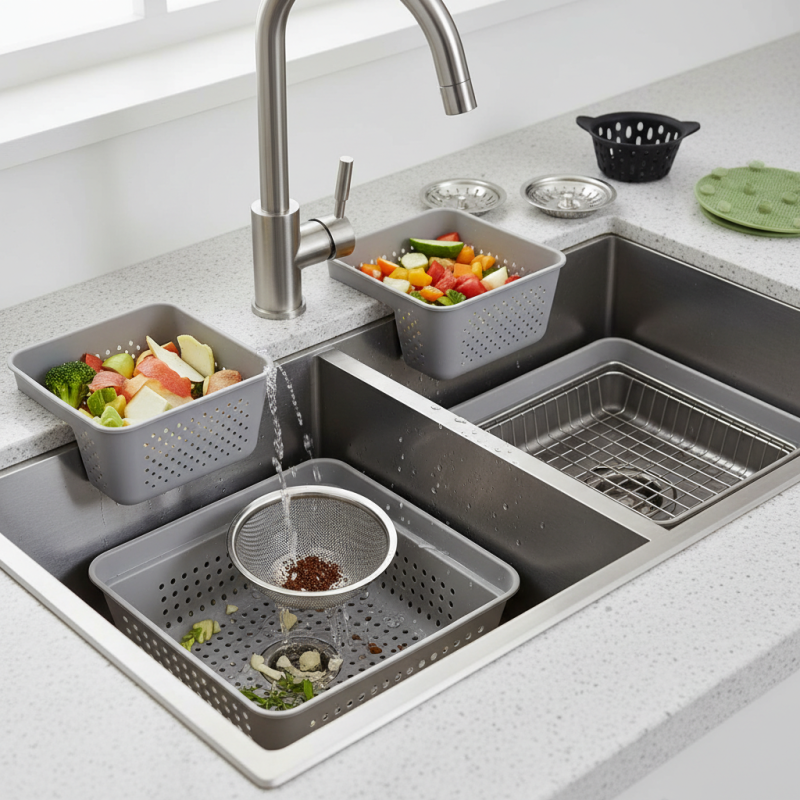
Overview of Sink Drainers and Their Importance in Kitchen Drainage
In every kitchen, sink drainers play a crucial role in maintaining efficient drainage. These simple devices prevent food particles and debris from clogging the pipes. A well-functioning sink drainer can save you from unpleasant odors and costly plumbing repairs. It ensures that water flows smoothly, allowing for a clean and sanitary cooking environment.
When selecting a sink drainer, consider the material and size. Stainless steel options are durable and resistant to rust. Some may find plastic models lighter and easier to handle. Ensure the size fits your sink perfectly to avoid leaks. Pay attention to the hole size as well; a smaller grate can catch more debris.
Tips: Make cleaning your sink drainer a routine task. Regular maintenance can extend its life. Use a mixture of vinegar and baking soda to freshen it up. Don’t forget to check for any buildup under the sink. This can prevent larger problems down the road.
Remember, not all drainers are the same. Some may not handle heavy food waste well. If you find frequent blockages, it's time to reassess your choice. A drainer that fits your cooking habits is essential for optimal drainage.
Types of Sink Drainers: A Comprehensive Guide
When considering sink drainers, it’s essential to understand the different types available. Studies show that around 70% of plumbing issues stem from poor drainage solutions. Choosing the right drainer can greatly influence the efficiency of your kitchen. Common types include basket strainers, which are easy to clean, and flat strainers that blend seamlessly into the sink’s surface.
Basket strainers often trap food particles effectively. This reduces the risk of clogs. However, they can sometimes require frequent cleaning. According to the Plumbing Manufacturers International, improper maintenance on these strainers may lead to serious plumbing issues. Flat strainers, while visually appealing, may not catch debris as effectively. They can be an aesthetic choice but might require additional measures to ensure optimal drainage.
Another area of concern is the material used in sink drainers. Steel options are durable but may corrode over time. Plastic strainers are lightweight and inexpensive, yet they might not withstand heavy usage. A report from the American Society of Plumbing Engineers indicates that material choice impacts both efficiency and maintenance. Selecting the right type and material is essential for effective drainage, but it often requires balancing aesthetics and functionality.
Best Sink Drainer Options for Efficient Kitchen Drainage
| Type of Sink Drainer | Material | Size | Efficiency Rating | Price Range |
| Stainless Steel Strainer | Stainless Steel | 4.5 inches | High | $10 - $20 |
| Plastic Colander | Plastic | 5 inches | Medium | $3 - $8 |
| Silicone Drain Basket | Silicone | 6 inches | High | $12 - $18 |
| Mesh Drain Strainer | Metal Mesh | 4 inches | Medium | $5 - $15 |
| Garbage Disposal Unit | Metal | N/A | Very High | $75 - $200 |
Key Features to Consider When Choosing a Sink Drainer
When selecting a sink drainer, several key features deserve your attention. First, consider the size and fit. A drainer that aligns perfectly with your sink ensures maximum efficiency. Measure your sink dimensions before making a purchase. This helps avoid unnecessary frustrations during installation.
Next, think about the material. Stainless steel is a popular option due to its durability and resistance to rust. However, some plastic options are lightweight and easy to clean. Each material has pros and cons. Weighing these aspects based on your kitchen's needs is essential.
Another feature to consider is the drainage design. Some drainers have wider holes, allowing for quick water flow. Others may have mesh designs to catch small food particles. Reflect on your usual cooking habits. If you often prep messy foods, a finer mesh might not be the best choice. It’s vital to balance efficiency with maintenance.
Popular Materials Used in Sink Drainers and Their Benefits
When it comes to choosing the best sink drainer for efficient kitchen drainage, understanding the materials is crucial. Many homeowners overlook the benefits of various materials, which can significantly affect their kitchen experience. Stainless steel, for example, is a popular choice due to its durability and resistance to corrosion. According to a 2022 industry report, over 60% of kitchen sink installations feature stainless steel drains. This material is not only easy to clean but also helps prevent bacterial growth.
Another common material is plastic. While it is less durable than metal, it is lightweight and often more affordable. However, plastic sink drainers can warp over time due to heat exposure from cooking. A recent survey indicated that around 30% of homeowners experienced drainage issues due to degraded plastic components. It's essential to weigh the initial costs against long-term reliability when considering this option.
Many manufacturers also offer rubber gaskets or seals with their sink drainers. These materials improve the waterproofing of the drainage system. Yet, rubber can deteriorate and lead to leaks. Some reports show that nearly 20% of leaks in kitchens stem from worn-out sealing materials. Homeowners should inspect these elements regularly and be proactive to maintain efficient drainage.
Best Sink Drainer Options for Efficient Kitchen Drainage
Maintenance Tips for Enhancing the Longevity of Sink Drainers
Maintaining a sink drainer can significantly improve its efficiency and lifespan. Regular cleaning is essential. Food particles and grease can accumulate, causing blockages. Use a mixture of vinegar and baking soda to break down gunk. This natural method is effective and safe. Scrubbing the drainer with a brush helps to remove stubborn debris.
Pay attention to the drain's seal. A worn or cracked seal can lead to leaks. Inspect it regularly and replace it if necessary. Additionally, avoid putting non-dissolvable items down the sink. This practice prevents potential clogs and prolongs the drainer’s life.
Install a sink strainer to catch large particles. This simple addition reduces wear on the drainer. It's easy to use and can be cleaned quickly. Sometimes, drainer issues arise unexpectedly. Regular checks for wear and tear can catch problems early. Neglecting this might lead to costly repairs later.