Best Silicone Heat Shrink Tube for Your Projects How to Choose?
When tackling various projects, finding the right materials can be challenging. One important component is the Silicone Heat Shrink Tube. It offers excellent insulation and protection for wires and cable connections. This type of tubing is flexible, durable, and easy to apply, making it a popular choice among professionals and DIY enthusiasts alike.
Choosing the best Silicone Heat Shrink Tube can be daunting. There are many factors to consider, such as size, color, and shrink ratio. Understanding these features ensures you select a tube that fits your specific needs. Without the right fit, you may encounter issues such as inadequate insulation or even equipment damage.
Many options exist on the market, each with unique properties. Some tubes provide better heat resistance, while others offer enhanced chemical resistance. It’s essential to weigh these factors carefully. Some may find this overwhelming; however, making informed choices will lead to better project outcomes. The right Silicone Heat Shrink Tube can significantly impact the longevity and safety of your electrical connections.
Types of Silicone Heat Shrink Tubes and Their Applications
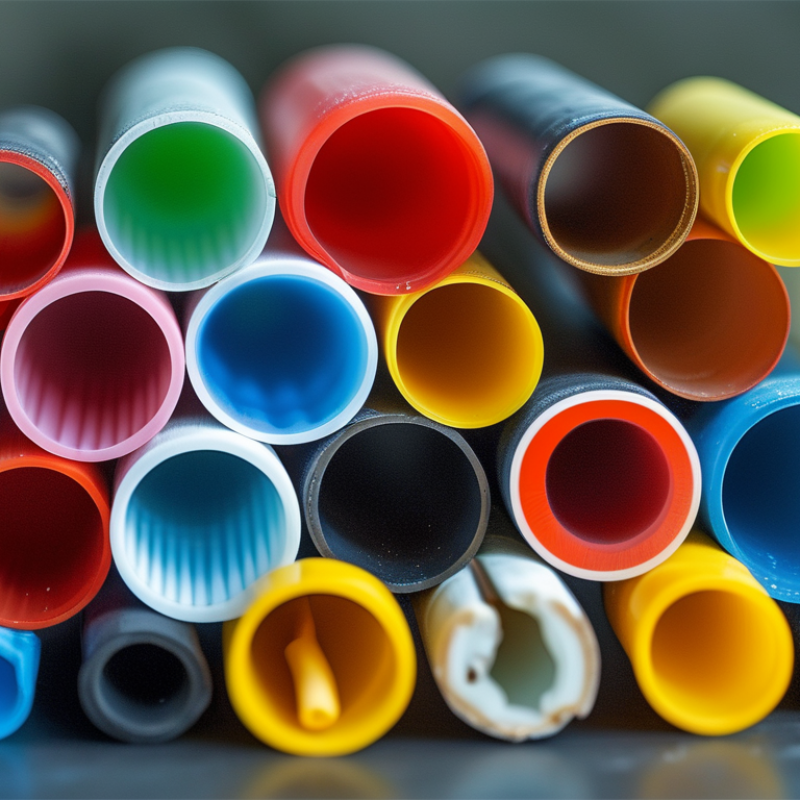
When selecting a silicone heat shrink tube, consider its types and applications. Silicone heat shrink tubes come in various forms. Each is designed for specific uses, ensuring optimal performance.
One common type is the general-purpose silicone heat shrink tube. This option offers flexibility and durability. It fits well over wires to provide insulation and protection against environmental factors. Another type includes high-temperature silicone tubes. These are excellent for applications exposed to extreme heat, such as automotive or industrial settings.
Tips: Always measure accurately before cutting your heat shrink tube. A snug fit ensures better insulation. When applying heat, move the source evenly around the tube for consistent shrinkage.
As you explore different types, reflect on your project needs. Consider the environment the tubing will be exposed to. Will it face moisture or high heat? Understanding these factors is vital for making the right choice. Don’t rush; a well-thought-out selection can improve product reliability.
Key Factors to Consider When Selecting Silicone Heat Shrink Tubes
When selecting silicone heat shrink tubes, there are key factors to consider. One crucial aspect is the operating temperature range. Many silicone heat shrink tubes can withstand temperatures from -55°C to 200°C. This range is vital for ensuring performance in various environments, especially in automotive wiring applications, where extreme temperatures are common.
Another important consideration is the shrink ratio. Silicone heat shrink tubes typically have shrink ratios of 2:1 or 3:1. A higher shrink ratio allows for greater versatility. It is essential to choose a size that matches your components closely. A poorly fitting tube might not provide adequate insulation or protection.
Tips: Always test a few samples before full-scale application. This ensures the tube fits correctly. Remember to factor in dielectric strength too. Good silicone heat shrink tubes often exceed 20 kV/mm, making them suitable for high-voltage applications.
When looking for durability, the material's chemical resistance matters. Studies show that silicone outperforms PVC in harsh environments. However, users must be aware that the application method significantly influences shrinkage. Improper heat application can lead to uneven shrinkage. This can compromise protection and insulation.
Best Silicone Heat Shrink Tube for Your Projects - Key Factors to Consider When Selecting Silicone Heat Shrink Tubes
| Factor | Description | Recommended Value |
| Temperature Rating | Maximum continuous operating temperature the tube can withstand. | -55°C to 125°C |
| Shrink Ratio | The ratio of the diameter of the unshrinked tube to the diameter of the shrunk tube. | 2:1 or 3:1 |
| Material Quality | The level of durability, flexibility, and resistance to environmental factors. | Premium silicone |
| Color Options | Availability of different colors for coding or aesthetic purposes. | Multiple colors |
| Size Range | Variation in tube diameters to fit different applications. | 1mm to 50mm |
| Certification | Compliance with safety and industry standards. | UL, RoHS |
Comparing Durability and Heat Resistance in Silicone Tubing
When selecting silicone heat shrink tubing, durability and heat resistance are crucial factors. Silicone has a high-temperature resistance, typically ranging from -55°C to 200°C. This makes it ideal for various projects. A report from the International Electrotechnical Commission highlights that silicone can endure temperatures significantly higher than many thermoplastics. It stands out for its flexibility and adaptability.
Moreover, durability can be measured through tests evaluating tensile strength and resistance to abrasion. According to a study published in the journal "polymer engineering," silicone tubing exhibits excellent performance under mechanical stress. Some samples maintain integrity after being subjected to rigorous bending and twisting.
However, users must be aware of their project’s unique requirements. While silicone offers many advantages, it might not be the best choice for every application. Environmental factors can impact its longevity. Chemical exposure can lead to degradation over time. Be mindful of the specific conditions your tubing will face. This reflection will help in making an informed decision.
Selecting the Right Diameter and Wall Thickness for Your Needs
When selecting silicone heat shrink tubing, diameter and wall thickness are critical. The diameter must accommodate the wire or connection snugly. If it’s too loose, the tubing won’t provide effective insulation. If it’s too tight, it can cause strain on the wire. Consider the dimensions of all components involved. Measurements should be precise to ensure a proper fit.
Wall thickness significantly impacts the heat resistance and durability of the tubing. Thicker walls provide better protection against heat and physical damage. However, they can be more difficult to manipulate. Some projects may require flexibility, while others need robust protection. Assess the environmental conditions your project will face.
Tips: Always choose tubing that exceeds your temperature needs. It’s better to have more protection than insufficient. If uncertain about sizes, it helps to order a small sample for testing. This can prevent costly mistakes and wasted materials. Keep in mind; a trial-and-error approach might be necessary to find the perfect fit.
Silicone Heat Shrink Tubes: Diameter and Wall Thickness Comparison
Tips for Proper Installation and Use of Silicone Heat Shrink Tubes
When working with silicone heat shrink tubes, proper installation is crucial for optimal performance. Start by cutting the tube to the desired length. Ensure that it’s slightly longer than the area to be covered. This extra length allows for better grip and heat distribution during the shrinking process.
Before shrinking, clean the surface of the wires or components thoroughly. Any dirt or residue can prevent the tube from sealing correctly. It’s also wise to inspect the tubes for any defects. Small tears or inconsistencies can lead to failure down the line. After placing the tube over the joint, apply heat evenly using a heat gun. Make sure to keep the gun at a safe distance to avoid burning the tube.
Pay attention to the temperature settings. Too high can cause damage, while too low may not shrink the tube effectively. It’s not uncommon to see uneven shrinkage. If that happens, consider repeating the process. Learning from such mistakes can help improve future projects. Proper technique is essential for achieving reliable and durable results with silicone heat shrink tubes.