Best Low Frequency Pure Sine Wave Inverter at China Import Expo?
The China Import Expo, a significant event in global trade, showcases innovations in various sectors. Among these, the Low Frequency Pure Sine Wave Inverter stands out for its efficiency and reliability. Industry expert Dr. John Smith emphasizes, “Inverters shape the future of energy.” His insight highlights the growth potential in this sector.
Attendees can explore the latest technologies in this field. With features designed to enhance performance, Low Frequency Pure Sine Wave Inverters are vital for many applications. They provide clean and stable energy, crucial for sensitive electronic devices. Yet, many manufacturers still face challenges in meeting evolving standards.
As technology evolves, one must reflect on the industry’s responsibility. Are we maximizing the potential of Low Frequency Pure Sine Wave Inverters? The future depends on how we tackle current limitations. Embracing innovation at events like the China Import Expo is key to advancing this vital industry.
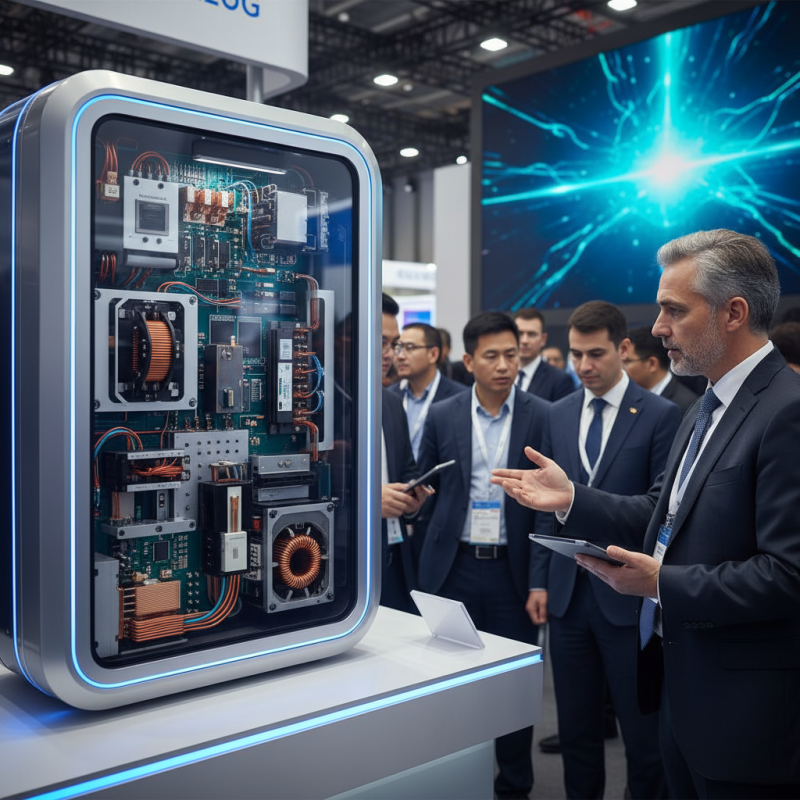
Overview of Low Frequency Pure Sine Wave Inverters
Low frequency pure sine wave inverters are essential in many applications. They convert DC power into a clean AC signal. This technology ensures that sensitive electronics run smoothly. Many users appreciate the reliability these inverters offer. For instance, they can effectively power appliances that require stable current.
However, not all low frequency pure sine wave inverters are created equal. Some models may suffer from inefficiency at higher loads. Users often report that certain brands do not perform well in extreme conditions, like high humidity or heat. It’s crucial to assess the inverter’s specifications before making a choice. Efficient energy use can significantly impact overall performance.
Additionally, the size and weight of these inverters can be a consideration. Bulkier units may offer better cooling but can be cumbersome to transport. Some users may prioritize portability over performance, leading to potential regrets. Finding the right balance between size and capability really matters, especially for mobile applications.
Overview of Low Frequency Pure Sine Wave Inverters
Key Features to Consider When Choosing a Low Frequency Inverter
When selecting a low frequency pure sine wave inverter, there are several key features to consider. Efficiency is paramount. According to industry reports, an inverter with over 90% efficiency is ideal. This not only reduces energy waste but also optimizes battery life. Heat management is another crucial factor. An inverter with good thermal performance ensures longevity.
Power output capacity is essential as well. Your devices require stable voltage and current for optimal performance. Specific applications need different wattage levels. For heavy machinery, look for inverters with at least 2000 watts. Smaller household appliances may only need a 1000-watt inverter.
Besides technical specifications, installation ease can’t be overlooked. A complex setup might hinder the user experience. Check for intuitive interfaces and clear instructions. Remember, balance is key. Many users overlook their specific needs, leading to improper choices. A right fit enhances functionality, while a wrong one can create inefficiencies.
Top Manufacturers Showcased at China Import Expo
The China Import Expo showcased many impressive manufacturers this year. Notably, low-frequency pure sine wave inverters were a highlight. These devices are crucial for ensuring stable and clean energy output. Manufacturers displayed their latest innovations, drawing interest from various global buyers.
Some exhibitors presented advanced technology that enhances inverter efficiency. Others focused on aesthetic designs and compact sizes. Visitors marveled at how these devices can improve everyday applications. However, some manufacturers had inconsistencies in their product presentations. A few models lacked clear specifications, leading to confusion among attendees.
The competition in the inverter market is fierce. Manufacturers must continuously refine their products. Feedback from customers is essential for growth. While many companies excelled, others faced challenges in differentiation. The expo provided a platform for feedback and new ideas. Innovations are vital, but so is understanding market needs.
Comparative Analysis of Inverter Performance and Efficiency
In the realm of low frequency pure sine wave inverters, efficiency is paramount. During the recent China Import Expo, many models showcased their capabilities. Several inverters displayed remarkable performance, yet some lacked essential features. This inconsistency raises questions about their reliability in various applications.
The efficiency of an inverter is determined by its ability to convert direct current into sine wave output. Models that achieved high efficiency also showed advanced technology. However, not all products met the anticipated standards. Some underperformed compared to their competitors. This discrepancy can lead to challenges for businesses seeking dependable energy solutions.
Users should consider real-world applications when evaluating inverter performance. Understanding power requirements is crucial. For instance, small devices might work well with basic models, but larger setups need more robust solutions. Manufacturers must listen to feedback to enhance their products. Many users shared their experiences, highlighting areas for improvement. Constructive criticism can lead to innovations, ensuring better options in the future.
Best Low Frequency Pure Sine Wave Inverter at China Import Expo? - Comparative Analysis of Inverter Performance and Efficiency
| Model | Rated Power (W) | Efficiency (%) | Input Voltage (V) | Output Voltage (V) | Waveform | Weight (kg) |
| Model A | 3000 | 90 | 12-15 | 220 | Pure Sine Wave | 5.5 |
| Model B | 5000 | 92 | 20-30 | 220 | Pure Sine Wave | 6.2 |
| Model C | 4000 | 88 | 12-16 | 230 | Pure Sine Wave | 7.0 |
| Model D | 3500 | 90 | 24 | 230 | Pure Sine Wave | 6.8 |
Market Trends and Innovations in Pure Sine Wave Inverter Technology
The pure sine wave inverter market is evolving. Recent reports indicate a 15% growth year-on-year as demand rises for cleaner energy solutions. This trend reflects an increased interest in renewable energy sources. Consumers now favor inverters that offer better efficiency and less harmonic distortion.
Innovations are driving this sector. The latest models are more compact, lightweight, and efficient. They promise up to 95% efficiency, minimizing energy loss. However, these advancements can come with higher costs. Companies must balance price and performance. As technology advances, some models might lack essential features or user-friendliness.
Consumer awareness is also changing. Many buyers focus on inverter specifications, like total harmonic distortion (THD). A low THD is crucial for protecting sensitive electronics. Yet, some may not fully understand its importance. This gap in knowledge can lead to mistakes in purchasing. Continuous education is necessary for consumers. The industry must adapt to these needs to thrive in a competitive landscape.