
7 Best Battery Go Kart Suppliers for Global Buyers

Choosing a Battery Go Kart supplier means evaluating more than price or advertised speed. Global buyers need dependable performance, clear specifications, responsive support, and parts that remain available after delivery. A kart may look impressive in a showroom, yet lose value if its battery takes too long to charge or replacement components are difficult to source.

Battery researcher Dr. Shirley Meng’s work offers a useful lens, though not a kart-specific endorsement. A fair paraphrase of that perspective is: “Assess the battery as part of the complete vehicle system, not as a stand-alone capacity figure.” That distinction matters. Buyers should compare usable runtime, charging arrangements, battery management, motor output, frame quality, and service provisions together. Ask suppliers for test conditions, warranty terms, and documentation—not just a headline range. Details matter.

This guide reviews seven suppliers for international purchasing teams, from established manufacturers to specialists with narrower product lines. It considers product options, customization, communication, and evidence behind performance claims. Supplier websites rarely tell the whole story. Some details may still require direct confirmation, including shipping arrangements and long-term parts support. That is worth admitting. A careful shortlist helps buyers ask sharper questions before ordering, whether they are equipping a family venue, rental track, or private facility. The best choice is not automatically the cheapest or fastest; it is the supplier whose product and support fit the intended use.
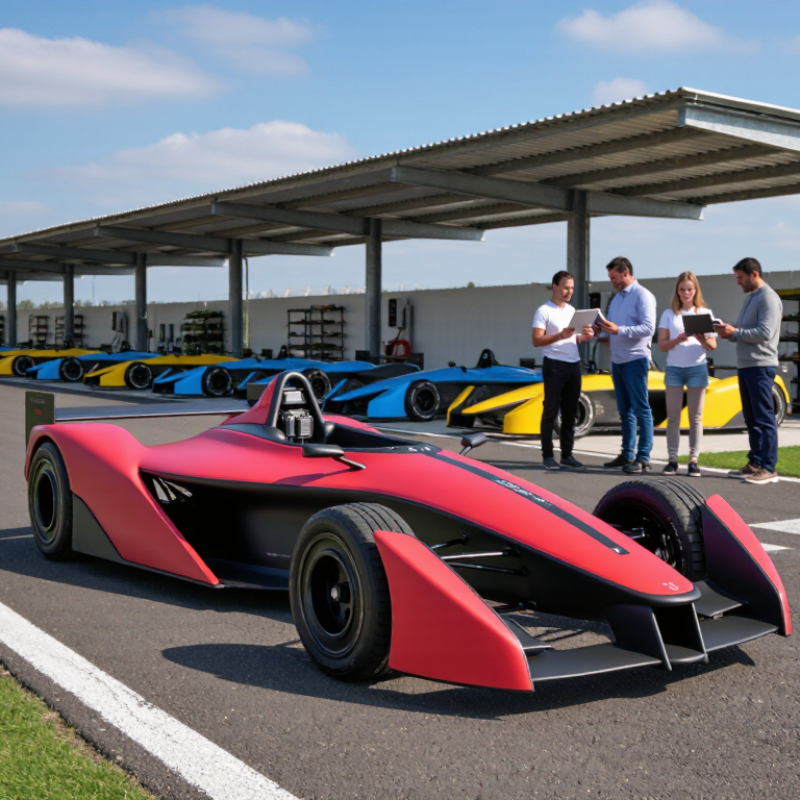
7 Best Battery Go Kart Suppliers for Global Buyers

Understanding Battery Go Karts and Their Main Applications

Battery go karts use rechargeable packs to power an electric motor, replacing the fuel tank and combustion engine. Their key operating limits are battery capacity, charging time, vehicle weight, and track duty cycle. A short indoor session may need less range than a busy rental track running repeated heats. That distinction matters. Operators should compare usable driving time, charging arrangements, and expected laps—not just the battery’s stated capacity.

Applications include indoor entertainment venues, outdoor kart tracks, family recreation centers, and supervised training programs. Electric drive can reduce local exhaust emissions and engine noise, which may help indoor venues manage air quality and conversation.

The International Energy Agency’s Global EV Outlook 2024 estimated nearly 14 million electric-car sales worldwide in 2023, around 18% of new car sales. That figure describes passenger cars, not karts, but it shows the wider shift toward battery-powered transport.

Still, batteries are not magic. Cold conditions, frequent acceleration, and aging packs can reduce practical run time, so buyers should ask suppliers for test conditions behind their range claims. A tidy specification sheet can hide a very ordinary limitation.

Key Criteria for Evaluating Global Go Kart Suppliers

Global buyers should assess more than quoted price when comparing battery go-kart suppliers. Request clear battery chemistry, rated voltage, capacity, expected runtime, and charging time for each kart configuration. Ask how runtime was measured; track surface, rider weight, and speed settings can change results. Small details matter. A supplier should provide battery and charger documentation, replacement availability, and written warranty terms. Check whether components are standardized or depend on custom parts that may take longer to replace.

Production consistency is equally important. Review sample units, inspection records, and assembly checks for steering, brakes, wiring, and battery mounts. When possible, arrange a video factory review or independent pre-shipment inspection. Ask for packaging dimensions, loading plans, spare-part lists, and realistic lead times, not only best-case estimates. Poor communication can be revealing. But a polished sales response is not proof of reliable after-sales service.

Evaluate technical support across time zones, troubleshooting materials, and response expectations for warranty claims. Request applicable test reports and conformity documents for the destination market, then verify details with qualified local advisers. Compare total operating cost, including battery replacements, freight, training, and downtime. The cheapest offer may fit a low-use venue; it may not suit a busy rental track. No checklist is perfect. Keep written records of answers, because vague promises are easy to remember differently later.

7 Best Battery Go Kart Suppliers for Global Buyers — Key Criteria for Evaluating Global Go Kart Suppliers

This comparison uses supplier categories rather than company or brand names. The best fit depends on the kart’s intended use, destination-market requirements, service needs, and the details verified in each supplier’s quotation.

Supplier Category Typical Offering Potential Strength Key Evaluation Criteria Best Suited For
Electric kart manufacturer Complete battery-powered karts, often with matched motors, controllers, battery packs, and chargers. A single supplier may coordinate the vehicle and its electrical system. Request the battery chemistry and capacity, rated voltage, charger specifications, runtime test conditions, warranty terms, and replacement-part availability. Buyers seeking complete vehicles for leisure, training, or commercial operation.
Amusement-ride equipment supplier Karts and related equipment intended for managed attractions or indoor and outdoor venues. May be familiar with venue operation, fleet management, and ride-safety documentation. Confirm which safety standards and local rules apply to the installation and operation in the destination market. Review risk assessments, operating instructions, and maintenance guidance. Family entertainment centers, attractions, and other managed venues.
Rental-fleet integrator Fleet packages that may include karts, charging equipment, spare parts, and operating support. Can help buyers assess charging routines, fleet uptime, and common replacement items. Ask for duty-cycle assumptions, charging recommendations, battery replacement procedures, spare-parts lead times, and service response arrangements. Operators purchasing multiple karts for frequent commercial use.
Custom engineering manufacturer Made-to-order karts or electrical configurations adapted to specified dimensions, performance, or site conditions. Offers scope to tailor the vehicle configuration to a particular project. Define the design scope, prototype and acceptance tests, change-control process, documentation, and responsibility for compliance before placing an order. Projects with unusual track layouts, operating requirements, or vehicle specifications.
Motorsport-focused vehicle manufacturer Performance-oriented electric karts, which may be offered for recreation, training, or competition use. May provide detailed performance specifications and setup options. Compare stated power and speed with the intended use; verify test conditions, braking components, protective features, battery limits, and applicable competition rules. Training facilities, performance-oriented leisure use, and eligible competition applications.
OEM or contract manufacturer Vehicles produced to a buyer’s specification, potentially with private-label or project-specific configuration. Can be suitable for buyers managing their own product specifications and quality-control process. Check production quality procedures, component traceability, sample approval, inspection rights, minimum order quantities, and responsibility for technical documentation. Importers and distributors arranging a defined product specification or private-label program.
Regional distributor or system integrator Locally supplied karts, batteries, chargers, parts, or support for products sourced from manufacturers. Local stock and service access may simplify after-sales support and parts procurement. Verify authorization where relevant, local inventory, technician capability, warranty handling, parts availability, and who is responsible for product compliance. Buyers prioritizing local support, service access, and shorter parts-supply routes.

Global buyer checklist: Compare like-for-like quotations; confirm battery chemistry, capacity, charger compatibility, shipping and battery documentation, warranty coverage, spare-parts supply, and after-sales support. Request evidence for any claimed certifications and check the requirements that apply in the destination country and intended place of use. Battery runtime and charging time depend on the specific configuration and operating conditions, so request test data rather than relying on generic estimates.

Profiles of Seven Battery Go Kart Suppliers

An original-equipment manufacturer suits buyers seeking large production runs and consistent specifications. Ask about cell options, frame materials, and documented battery testing. An amusement-park vehicle maker may offer sturdy karts designed for repeated daily use. Request maintenance records and details on replaceable parts. A child-focused kart supplier typically offers compact frames, lower speeds, and adjustable controls. Confirm age guidance, rider limits, and charging instructions for each model.

A rental-fleet specialist can help with durable seats, quick-clean surfaces, and straightforward servicing. A customization workshop may adapt colors, seating, or control layouts, though special orders can lengthen lead times. A component-integrated builder supplies matched motors, controllers, and battery packs; ask how replacements are sourced. An export-oriented wholesaler may coordinate packaging and freight, but confirm who handles technical support after delivery. A glossy catalog proves little. Compare written specifications, warranty terms, sample inspection options, and spare-part availability before committing. Even careful checks can miss a small detail, so keep a record of agreed configurations and delivery requirements.

Comparing Supplier Products, Services, and Export Capabilities

Battery go-kart suppliers can look similar in a catalog, but their products may differ in ways that matter on a busy track. Compare frame construction, passenger capacity, battery chemistry, and expected run time under regular use. Ask for test results, not just a headline range. A kart carrying heavier riders may lose runtime faster. Details matter. Check whether chargers, replacement batteries, tires, and brake parts are available as separate items, and ask how quickly common parts can ship.

Service quality is harder to judge from a product sheet. Request clear warranty terms, setup instructions, and practical support for diagnosing charging or motor problems. A short video call can reveal whether staff understand the equipment or simply repeat sales language. Test it first. For export orders, compare packaging methods, quoted lead times, shipping options, and the documents provided for customs review. Confirm the destination requirements with a qualified local adviser; supplier statements alone may not settle every question. Ask how damaged cartons are handled and who coordinates a replacement part. Even careful suppliers can miss a detail, so written specifications help both sides catch mismatched voltage, plug types, or spare-parts quantities before dispatch.

How to Select and Verify a Supplier for Your Market

For global buyers, a suitable battery go-kart supplier should match your track conditions, service capacity, and local market needs. Compare battery voltage, chemistry, capacity, expected runtime, and charging time. Ask how performance figures were measured, and request test records for the exact model you plan to order. A sample kart can reveal details a specification sheet misses, such as connector fit, braking response, and access to the battery compartment.

Check how the supplier controls battery quality and handles faults. Request clear warranty terms, spare-part lists, charging instructions, and records linking each unit to its production batch. A neat brochure is not evidence. Video calls can help, but an independent inspection or product test provides stronger confirmation. Confirm packaging and shipping arrangements, too; vibration or moisture during transit can create problems. Verify that the product documents meet requirements in your destination market, with qualified local guidance where needed. Some claims may still be difficult to compare.

Tips: Send every shortlisted supplier the same questions. Keep replies and test records together. Ask for one specific example of a past defect and how it was resolved. Small details matter. If answers stay vague, pause before paying a deposit.