2026 Top Trends in Industrial Power Solutions for Global Buyers?
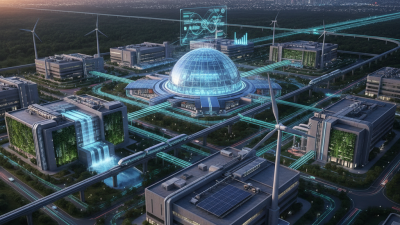
In 2026, the landscape of Industrial Power is evolving at an unprecedented pace. Global buyers face a complex array of trends that impact their purchasing decisions. These shifts are driven by advancements in technology, sustainability, and efficiency. The emphasis on renewable energy sources is reshaping how industries view power solutions. Companies are increasingly turning to greener options, aiming for lower carbon footprints.
However, with innovation comes uncertainty. Buyers must navigate the challenges of integrating new technologies. For instance, the implementation of energy management systems can seem daunting. Additionally, data security remains a major concern. Investing in Industrial Power solutions that enhance operational efficiency is essential but requires careful planning.
Understanding these trends is crucial for informed decision-making. The demand for reliable Industrial Power solutions is stronger than ever. Buyers need to stay ahead of these trends to ensure competitiveness. Balancing innovation with practicality will be a continuous challenge. Embracing these changes can lead to remarkable growth and success.

Emerging Technologies Transforming Industrial Power Solutions by 2026
Emerging technologies are reshaping industrial power solutions dramatically by 2026. The integration of artificial intelligence (AI) in energy management improves efficiency significantly. A recent report highlights that AI could enhance energy efficiency by 20% in manufacturing sectors. This shift not only reduces costs but also minimizes environmental impact.
Energy storage solutions are gaining traction as they become more affordable and efficient. According to industry data, lithium-ion battery prices have dropped by nearly 90% since 2010. This affordability increases the adoption rate, allowing more enterprises to implement robust power solutions. Larger energy storage will secure operations against power failures and fluctuations.
Monitoring energy usage in real-time is crucial. Smart sensors will provide data for better decision-making. However, integrating such technology can present challenges. Companies must manage data securely while ensuring system compatibility. Investing in training can help staff adapt and optimize these new tools effectively. These strategies enhance reliability in power solutions, but companies must also reflect on the risks of over-reliance on technology.
Sustainable Energy Sources Revolutionizing Industrial Power Needs
The shift towards sustainable energy sources is transforming industrial power needs. According to a report by the International Energy Agency (IEA), renewable energy capacity is set to expand significantly, with solar and wind contributing over 80% of the growth. This transition is critical for industries aiming to reduce carbon emissions and meet regulatory standards.
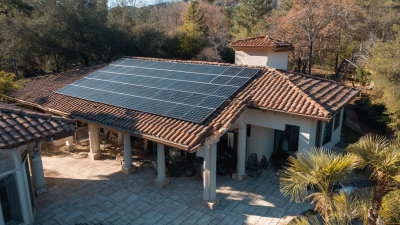
With declining costs of renewable technologies, industries can invest in energy solutions that not only save money but also enhance their environmental profile. For instance, solar energy costs have dropped by over 80% since 2010. Companies are increasingly integrating wind and solar into their power mix, leading to a more resilient energy supply.
Consider these practical approaches for integrating sustainable energy: Conduct a thorough energy audit to identify inefficiencies. Incorporate energy storage systems to utilize surplus energy effectively. Explore power purchase agreements with renewable energy providers to secure long-term sustainability goals. These strategies are beneficial but require careful evaluation and planning to avoid potential pitfalls in implementation. Always assess the local energy landscape and regulatory requirements to tailor solutions effectively, ensuring they align with future energy demands.
The Role of Automation and AI in Power Management Systems
The integration of automation and AI in power management systems is transforming industrial power solutions. These technologies enhance efficiency, reduce costs, and improve reliability. By analyzing data in real time, AI can optimize energy consumption, helping industries to lower their carbon footprint. Automation streamlines operations, minimizing human error and accelerating decision-making processes.
Incorporating automation into power systems also allows for predictive maintenance. This means identifying potential failures before they occur. Such foresight can minimize downtime and operational disruptions. However, many companies face challenges in implementing these technologies. There can be significant upfront costs and a learning curve for staff. Balancing investment with expected returns requires careful planning.
When considering automation and AI, keep these points in mind. Assess your current infrastructure and identify areas for improvement. Ensure that your team is prepared to adapt to new technologies. Evaluate the long-term benefits against initial challenges. Being open to iterative learning can lead to better outcomes over time. Embrace the change but remain aware of its complexities.
Market Trends Influencing Global Demand for Industrial Power Solutions
The demand for industrial power solutions is experiencing a significant shift in 2026. Rising energy costs and the urgency to reduce carbon footprints are key factors influencing purchasing decisions globally. According to a recent report by MarketsandMarkets, the industrial power solutions market is projected to reach USD 250 billion by 2026. This figure highlights a robust growth trajectory driven by increased automation and the digital transformation in various industries.
Sustainability initiatives are reshaping the landscape. Companies are investing in renewable energy sources to enhance operational efficiency. Research from McKinsey indicates that over 60% of manufacturers are adopting hybrid solutions, combining traditional power systems with renewables. This trend not only addresses regulatory pressures but also resonates with consumers’ preferences for eco-friendly practices. However, the transition isn't without challenges. Major hurdles include the initial costs of implementing these advanced systems and the need for skilled personnel to maintain them.
Additionally, the shift towards smart technology is influencing industrial power dynamics. The integration of IoT devices allows for real-time monitoring of energy consumption. However, as data protection becomes paramount, the industry grapples with cybersecurity risks. Companies must strike a balance between innovation and security to truly benefit from these advancements in power solutions. While the potential is vast, the road ahead is complex, reflecting the need for thoughtful strategies and continuous adaptation.
Key Players and Innovations Shaping the Future of Industrial Energy Systems
The landscape of industrial power solutions is rapidly evolving, influenced by key players and innovative technologies. A recent report indicates that the global industrial energy market is expected to reach $1.5 trillion by 2026. This reflects a compound annual growth rate of nearly 6%, driven by the increasing need for efficiency and sustainability.
A significant trend is the integration of renewable energy sources. According to the International Energy Agency, renewable power generation in industry is projected to surge by 15% over the next three years. This transformation is not without challenges. While advancements in energy storage technology show promise, the reliance on legacy systems can hinder adoption. Companies must adapt to new standards while managing existing infrastructure.
Digitalization is reshaping industrial energy management. Analytics software and IoT devices are empowering firms to optimize energy usage. Yet, studies suggest that many organizations struggle to analyze and act on data effectively. In a competitive market, the ability to harness big data could be the dividing line between industry leaders and laggards. The future of industrial energy systems hinges on innovation, collaboration, and overcoming these hurdles.